
Vitamin D and B12 Deficiency in Dubai: Signs, Testing, and At-Home Options
Vitamin D Test in Dubai: Signs, Testing & At-Home
It sounds almost impossible – living in one of the sunniest cities in the world, yet still being deficient in vitamin D. But it happens more often than people expect. Between long hours in air-conditioned offices, sunscreen use, and a lifestyle that often keeps people indoors during peak daylight, a vitamin d test in Dubai frequently reveals lower levels than residents assume they’d have.
Vitamin B12 deficiency tells a similar story – it’s common, often overlooked, and easy to mistake for ordinary tiredness. This guide covers the signs of both deficiencies, why they happen even in a sun-soaked city like Dubai, and how testing (including at-home options) can help you get real answers.
The Dubai Sunshine Paradox
It seems logical to assume that living somewhere with year-round sun would mean plenty of vitamin D. In reality, several everyday habits work against it:
- Indoor lifestyles: Many people in Dubai spend the bulk of their day in offices, malls, and homes with air conditioning, with limited direct sun exposure.
- Sun protection habits: Sunscreen, clothing coverage, and simply avoiding the heat all reduce the skin’s ability to naturally produce vitamin D.
- Extreme heat during peak hours: The very sun that could boost vitamin D levels is often avoided altogether during the hottest parts of the day.
The result is a population that, despite living somewhere famously sunny, still commonly shows deficiency on lab testing.
Signs of Vitamin D Deficiency
Vitamin D deficiency often develops gradually, which is part of why it’s so easy to miss. Common signs include:
- Persistent fatigue or low energy, even after adequate sleep
- Bone or joint aches, particularly in the back and lower body
- Muscle weakness or cramps
- Low mood or a general sense of feeling “off”
- Frequent colds or infections, linked to reduced immune support
- Slow recovery from minor illnesses or injuries
Because these symptoms overlap with so many other conditions, many people live with a deficiency for a long time without ever suspecting vitamin D is the cause.
 In an emergency
If you are in an emergency and life threatening situation, please call 999 or request an Ambulance by calling 998. You can also use the mobile app DCAS SOS to request for emergency ambulance services.
Signs of Vitamin B12 Deficiency
Vitamin B12 plays a critical role in nerve function, red blood cell production, and energy metabolism. When levels drop, the symptoms can look surprisingly similar to vitamin D deficiency, but with a few distinct markers of their own:
- Ongoing fatigue and low stamina
- Tingling or numbness in the hands and feet
- Difficulty concentrating or noticeable brain fog
- Pale or yellowish skin
- Mood changes, including irritability or low mood
- Shortness of breath during normal activity
- In more advanced cases, balance issues or memory difficulties
B12 deficiency is particularly common among people following plant-based diets, since B12 is found almost exclusively in animal products, as well as in older adults, whose bodies may absorb the vitamin less efficiently over time.
Why These Two Deficiencies Often Get Confused
Fatigue is the symptom both deficiencies share, which means many people who feel constantly tired assume it’s simply stress, poor sleep, or overwork – without realizing a nutrient deficiency could be the root cause. This is exactly why testing both vitamin D and B12 together is often recommended rather than guessing which one might be responsible.
How Vitamin D and B12 Testing Works
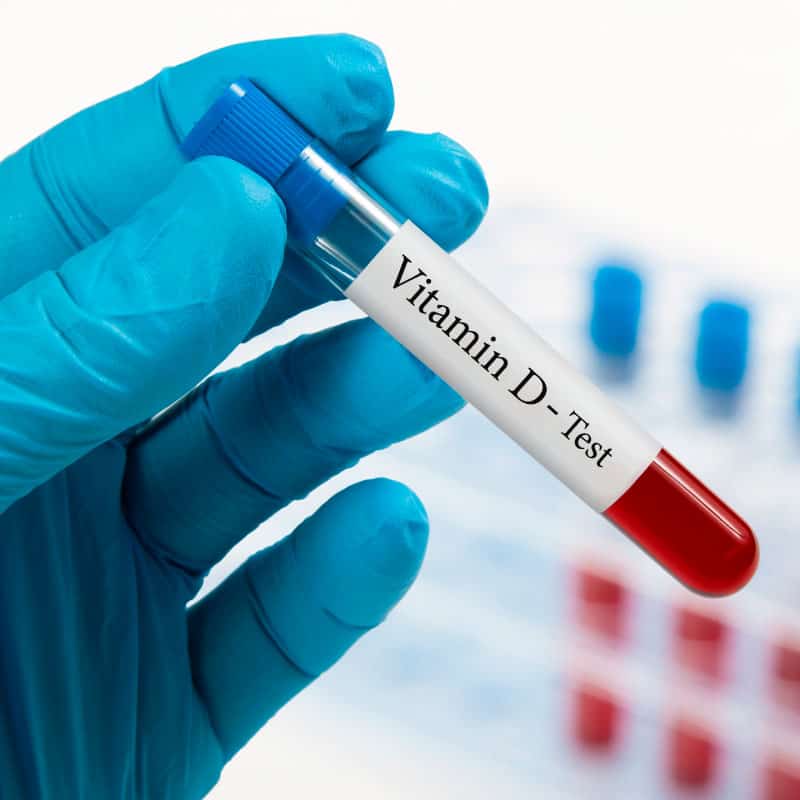
A vitamin d test Dubai clinics offer typically involves a simple blood draw, measuring the level of vitamin D circulating in your bloodstream. A vitamin b12 test works the same way, measuring B12 levels from the same or a separate blood sample.
The process is usually quick:
- A small blood sample is taken, either at a clinic or by a visiting nurse.
- The sample is sent to a certified lab for analysis.
- Results typically identify whether your levels fall within a normal range, are borderline low, or indicate a clear deficiency.
- A doctor reviews the results with you and recommends next steps, which may include supplementation, dietary changes, or further testing if needed.
Vitamin D Test at Home and B12 Test at Home
For those who’d rather skip the clinic visit altogether, a vitamin d test at home or vitamin b12 test at home offers a convenient alternative. Here’s how it typically works:
- A test kit is delivered discreetly to your home or office.
- You provide a small sample, usually via a simple finger-prick, following the included instructions.
- The sample is couriered to a certified lab for processing.
- Results are shared digitally, often within a few days.
This option is especially popular among busy professionals who want a clear picture of their nutrient levels without carving out time for an appointment. If results come back showing a significant deficiency, a follow-up consultation with a doctor is still recommended to discuss the right treatment plan.

Quality Nursing Care at Home
We offer highly experienced nurse care service at your door step in Dubai.

24x7 Medical care and great customer service
Trained DHA registered nurses, care takers, babysitters, newborn care and midwifery services you can rely on.
What Happens If You’re Deficient?
A confirmed deficiency doesn’t mean anything drastic – it simply means your body needs some support to get back to healthy levels. Depending on the severity, a doctor might recommend:
- Oral supplements, taken daily or weekly depending on the deficiency level
- Vitamin injections, often used for more significant B12 deficiencies since they bypass digestion
- IV vitamin therapy, which some people choose for faster replenishment alongside hydration
- Dietary adjustments, such as increasing intake of vitamin D– or B12-rich foods
- Safe sun exposure guidance, particularly for vitamin D, balanced against skin health considerations
Follow-up testing after a few months is often recommended to confirm that levels have improved.
Check Your Levels with Nightingale Health Services
Constant fatigue, low mood, or unexplained aches don’t have to be something you just live with. Nightingale Health Services offers reliable vitamin d test in Dubai and B12 testing options, including the convenience of at-home collection, so you can find out exactly what your body needs.
Ready to check your levels? Contact us to learn more and book your test today.
Everything You Need To Know
Still unsure about something? Our team answers questions like these every day.
Talk to usIf you’re experiencing ongoing fatigue, low mood, muscle aches, or tingling in your hands and feet, testing can help identify whether a deficiency is the underlying cause.
Yes. Many clinics and at-home kits allow both tests to be done from a single blood draw or sample, giving you a fuller picture in one visit.
When collected correctly and processed by a certified lab, at-home tests can provide reliable results. However, a clinic visit may be preferable if you have more complex symptoms or need a broader panel of tests.
This depends on your individual risk factors and any previous deficiency history. A doctor can recommend a testing frequency suited to your lifestyle and health needs.
Yes. Factors like sunscreen use, clothing coverage, skin tone, and the time of day you’re exposed to the sun can all affect how much vitamin D your body actually produces.
Receive top-notch healthcare services right at home in Dubai.
Your health is our priority — call now to know more about Nightingale Home Healthcare Services in Dubai.