
Baby Massage in Dubai: Benefits for Sleep, Bonding, and Digestion
Baby Massage Dubai: Better Sleep, Bonding & Digestion
There’s something instinctive about wanting to soothe a fussy baby with gentle touch – and it turns out that instinct is backed by real, meaningful benefits. Baby massage Dubai parents are increasingly turning to isn’t just a relaxing ritual; it’s a simple, evidence-supported practice that can genuinely improve sleep, ease digestive discomfort, and deepen the bond between parent and baby.
This guide explains how baby massage actually helps, what a session typically looks like, and how to approach it safely at home or with a trained professional.
What Is Baby Massage?
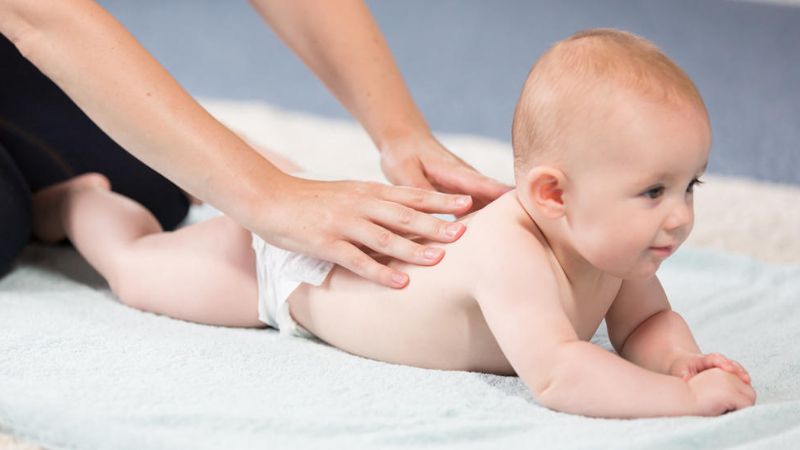
Baby massage involves gentle, structured touch techniques applied to a baby’s body – typically the legs, arms, tummy, back, and face – using slow, rhythmic strokes designed specifically for an infant’s delicate body. Unlike adult massage, it’s not about deep pressure or muscle work; it’s a soothing, communicative form of touch that supports both physical and emotional development.
Many parents in Dubai are introduced to newborn massage through postnatal classes, visiting specialists, or guidance from a pediatric nurse, though it’s also something that can be learned and practiced safely at home with the right technique.
The Benefits of Baby Massage
1. Better Sleep
One of the most commonly reported benefits of regular baby massage is improved sleep. The calming, rhythmic touch helps activate the body’s relaxation response, often making it easier for babies to settle and stay asleep for longer stretches. Many parents build massage into a consistent bedtime routine specifically for this reason.
2. Improved Digestion
Gentle tummy massage techniques are widely used to help ease common digestive discomforts like gas, bloating, and colic. Specific circular motions across the abdomen can help move trapped gas along, offering relief for babies who struggle with fussiness after feeding.
3. Stronger Parent-Baby Bonding
Skin-to-skin contact and focused, undistracted attention during massage create a powerful bonding opportunity. For new parents still building confidence in handling their newborn, this dedicated time can also become a source of connection and reassurance.
4. Reduced Stress Hormones
Gentle touch has been associated with lower levels of stress hormones in infants, which may contribute to calmer overall behavior and easier soothing during fussy periods.
5. Support for Muscle and Motor Development
Gentle stretching and movement incorporated into massage routines can support flexibility and body awareness as babies grow, complementing natural developmental milestones like rolling and reaching.
6. Easier Transitions and Routine Building
Because massage is calming and predictable, many parents use it as a signal to their baby that a nap or bedtime is approaching, helping build a consistent, recognizable routine over time.
 In an emergency
If you are in an emergency and life threatening situation, please call 999 or request an Ambulance by calling 998. You can also use the mobile app DCAS SOS to request for emergency ambulance services.
Is It the Same as a Spa Treatment?
Some parents search for a spa for infants experience, imagining something closer to an adult spa visit – but it’s worth clarifying that baby massage is a therapeutic, developmentally appropriate practice rather than a luxury pampering session. The techniques are gentle, safety-focused, and designed around an infant’s specific needs, not adult spa treatments scaled down.
That said, many providers do offer a calm, soothing environment for sessions, creating a relaxing experience for both baby and parent, even if the techniques themselves are distinctly different from adult massage or spa services.
When Can You Start a Baby Massage?
Many parents begin gentle massage within the first few weeks after birth, once the umbilical cord area has healed and a pediatrician has confirmed the baby is healthy and ready. Because every baby’s development and health circumstances differ, it’s always best to check with your pediatrician before starting, particularly for babies born prematurely or with specific medical considerations.
What Does a Baby Massage Session Typically Involve?
Setting the Mood
A calm, warm, quiet space helps the baby feel relaxed. Many parents choose a consistent time of day, such as after a bath or before a nap, to build a recognizable routine.
Gentle Introduction
Sessions typically begin with light, slow strokes to help the baby adjust to the sensation, gradually building confidence before moving to specific areas.
Targeted Techniques
- Legs and feet: Gentle, rhythmic strokes can help with relaxation and circulation.
- Tummy: Circular motions in a clockwise direction are commonly used to support digestion.
- Arms and hands: Light strokes from shoulder to fingertips help with overall relaxation.
- Back: Gentle strokes along the back, with the baby positioned safely, can be deeply soothing.
Reading the Baby’s Cues
A good massage session always follows the baby’s response – continuing if they seem calm and content, and pausing or stopping if they show signs of discomfort or fussiness.
A Calm Finish
Sessions typically wind down gradually, often transitioning naturally into feeding, cuddling, or sleep.
Safety Tips for Baby Massage
- Always use a baby-safe, unscented oil recommended by a pediatrician or specialist, and check for any skin sensitivity first.
- Keep the room warm enough that the baby stays comfortable while partially undressed.
- Never massage directly over the umbilical cord stump until it has fully healed.
- Avoid massage if your baby is unwell, has just eaten, or seems unusually fussy or overtired.
- Always support the baby’s head and neck properly throughout.
- Stop immediately if your baby shows signs of distress, and never force a session if they aren’t receptive.

Quality Nursing Care at Home
We offer highly experienced nurse care service at your door step in Dubai.

24x7 Medical care and great customer service
Trained DHA registered nurses, care takers, babysitters, newborn care and midwifery services you can rely on.
Should You Learn from a Professional or Do It Yourself?
Both approaches are valid, and many parents do a combination of both.
Learning from a trained professional offers the benefit of proper technique guidance, personalized tips based on your baby’s specific needs, and the reassurance of expert supervision, especially for first-time parents who feel unsure about handling a newborn.
Practicing at home once you’re comfortable with the basics allows massage to become a natural, regular part of your daily routine, building consistency without needing to schedule a session every time.
Many families start with a few guided sessions to learn proper technique, then continue the practice independently at home going forward.
Discover the Benefits with Nightingale Health Services
From better sleep and eased digestion to deeper bonding, baby massage Dubai parents are embracing offers real, meaningful benefits for both babies and their families. Nightingale Health Services provides expert newborn massage guidance and sessions, helping you build a calming, confidence-boosting routine with your little one.
Ready to get started? Contact us to learn more and book your session today.
Everything You Need To Know
Still unsure about something? Our team answers questions like these every day.
Talk to usMany parents incorporate short massage sessions daily, often as part of a bedtime or after-bath routine, though there’s no strict requirement – even a few times a week can offer noticeable benefits.
Many parents find that gentle tummy massage techniques help ease gas and digestive discomfort associated with colic, though persistent or severe colic symptoms should also be discussed with a pediatrician.
Yes, when done gently and correctly, though it’s best to wait until the umbilical cord area has healed and to get your pediatrician’s confirmation that your baby is ready, especially for premature or medically complex newborns.
A pediatrician-approved, unscented, baby-safe oil is generally recommended. It’s wise to do a small patch test first to rule out any skin sensitivity.
Sessions are typically kept short, especially for younger infants – often just a few minutes per area – and should always be guided by the baby’s comfort and responsiveness rather than a strict time limit.
Receive top-notch healthcare services right at home in Dubai.
Your health is our priority — call now to know more about Nightingale Home Healthcare Services in Dubai.