
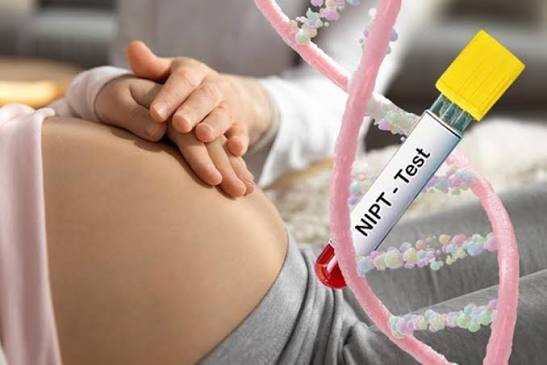
NIPT at Home in Dubai: How Non-Invasive Prenatal Testing Works
Non Invasive Prenatal Test in Dubai: How NIPT Works
Pregnancy brings a long list of decisions, and prenatal screening is often one of the more anxiety-inducing ones to navigate. A non invasive prenatal test, commonly known as NIPT, has become one of the most widely used screening options available, offering expectant parents meaningful information through a simple blood draw, without the risks associated with more invasive diagnostic procedures. Here’s a clear explanation of how it actually works, what it can tell you, and how to access it conveniently in Dubai.
What Is NIPT?
Non-invasive prenatal testing analyzes small fragments of fetal DNA that naturally circulate in the mother’s bloodstream during pregnancy. By examining this cell-free DNA, the test can screen for certain chromosomal conditions with a high degree of accuracy, using nothing more than a standard blood sample from the mother.
It’s important to understand that NIPT is a screening test, not a diagnostic one. This means it assesses probability and risk level rather than providing a definitive diagnosis. A high-risk result on NIPT typically leads to a recommendation for further diagnostic testing to confirm findings, rather than being treated as a final answer on its own.
What Does NIPT Screen For?
NIPT is most commonly used to screen for certain chromosomal conditions, including:
- Trisomy 21 (Down syndrome)
- Trisomy 18 (Edwards syndrome)
- Trisomy 13 (Patau syndrome)
- Sex chromosome variations, in some testing panels
Some expanded NIPT panels can screen for additional chromosomal conditions, depending on the specific test selected. It’s worth discussing with your doctor which specific panel is most appropriate for your individual circumstances and any relevant risk factors.
 In an emergency
If you are in an emergency and life threatening situation, please call 999 or request an Ambulance by calling 998. You can also use the mobile app DCAS SOS to request for emergency ambulance services.
How Accurate Is NIPT?
NIPT is widely regarded as one of the most accurate prenatal screening options available for the conditions it covers, particularly for Down syndrome, with detection rates that are notably higher than some traditional first-trimester screening methods. That said, no screening test offers absolute certainty, and it’s important to understand that:
- A negative (low-risk) result significantly reduces the likelihood of the screened conditions but doesn’t completely eliminate the possibility
- A positive (high-risk) result indicates increased probability and typically warrants follow-up diagnostic testing for confirmation, since screening tests can occasionally produce false positives
Your doctor can help interpret your specific results in the context of your individual pregnancy and risk factors.
When Can NIPT Be Performed?
NIPT is typically available starting around the tenth week of pregnancy, since sufficient fetal DNA needs to be present in the maternal bloodstream for accurate analysis. Unlike some other prenatal screening methods, NIPT can generally be performed at any point later in pregnancy as well, though earlier testing is common for those wanting results sooner in their pregnancy journey.
How Does the Test Actually Work?
Step 1: A Simple Blood Draw
The entire sample collection process involves a standard blood draw from the mother, similar to any routine blood test, requiring no special preparation and carrying no risk to the pregnancy itself, unlike invasive diagnostic procedures such as amniocentesis.
Step 2: Laboratory Analysis
The blood sample is sent to a specialized laboratory, where cell-free fetal DNA is isolated and analyzed for specific chromosomal patterns associated with the conditions being screened.
Step 3: Results
Results are typically available within a specified turnaround time following sample collection, with your doctor reviewing findings with you and discussing any recommended next steps based on the outcome.
Why NIPT Is Considered “Non-Invasive”
Unlike diagnostic procedures such as amniocentesis or chorionic villus sampling (CVS), which involve inserting a needle into the uterus and carry a small risk of complications including miscarriage, NIPT requires only a standard maternal blood draw. This is precisely what makes it such an appealing first-line screening option for many expectant parents, offering meaningful information without any additional risk to the pregnancy.

Quality Nursing Care at Home
We offer highly experienced nurse care service at your door step in Dubai.

24x7 Medical care and great customer service
Trained DHA registered nurses, care takers, babysitters, newborn care and midwifery services you can rely on.
NIPT at Home: How It Works
NIPT test at home Dubai services bring this entire process directly to expectant mothers, removing the need for a clinic visit during pregnancy, when comfort and convenience matter significantly.
- Booking: An appointment is scheduled at a time and location convenient for you.
- Health screening: A brief conversation confirms your gestational age and relevant pregnancy details.
- Sample collection: A trained professional performs a standard blood draw in your own home.
- Laboratory processing: Your sample is sent to a certified laboratory for analysis, following the same rigorous standards as a clinic-collected sample.
- Results delivery: Results are shared with you and your doctor once processing is complete.
What Determines NIPT Testing Cost?
NIPT testing cost varies based on several factors:
- Panel scope: Basic panels screening for the most common trisomies typically cost less than expanded panels covering additional conditions.
- Provider and laboratory partnership: Different laboratories may have varying pricing structures.
- At-home vs clinic collection: Home collection may include a modest additional service fee.
Because pricing varies by provider and specific panel selected, it’s best to request a detailed quote directly, clarifying exactly what’s included before booking.
Who Typically Considers NIPT?
While NIPT can be considered by any pregnant individual, it’s often specifically discussed with:
- Women of advanced maternal age, associated with increased risk of certain chromosomal conditions
- Those with a family history relevant to screened conditions
- Anyone who received an inconclusive or concerning result on earlier screening
- Expectant parents simply wanting additional information as part of their prenatal care, regardless of specific risk factors
Ultimately, whether to pursue NIPT, and any prenatal screening, is a personal decision best discussed thoroughly with your doctor, considering your specific circumstances and preferences.
What Happens If My Results Show Increased Risk?
A high-risk NIPT result doesn’t confirm a diagnosis on its own. Your doctor will typically discuss next steps, which may include:
- Genetic counseling, to help you understand the result and available options
- Diagnostic testing, such as amniocentesis or CVS, to confirm or rule out the screened condition definitively
- Additional monitoring or specialist referrals, depending on your specific situation
It’s worth emphasizing that a high-risk screening result, while understandably concerning, is not a diagnosis, and many follow-up diagnostic tests ultimately return reassuring results.
Convenient, Accurate Prenatal Screening – Nightingale Health Services
Understanding your pregnancy with clarity and confidence starts with the right information. Nightingale Health Services offers non invasive prenatal test services in Dubai, including convenient at-home collection, bringing accurate, professional screening directly to you.
Ready to learn more? Contact us to explore your options and book your test today.
Everything You Need To Know
Still unsure about something? Our team answers questions like these every day.
Talk to usYes. Since it only requires a standard maternal blood draw, NIPT carries no additional risk to the pregnancy, unlike invasive diagnostic procedures.
Testing is typically available starting around the tenth week of pregnancy, once sufficient fetal DNA is present in the maternal bloodstream for accurate analysis.
No test offers absolute certainty. A low-risk result significantly reduces the likelihood of the screened conditions but doesn’t provide a 100% guarantee, and NIPT doesn’t screen for every possible genetic condition.
No. NIPT is a screening test that assesses probability and risk, while diagnostic tests like amniocentesis provide a definitive diagnosis. A high-risk NIPT result typically leads to a recommendation for diagnostic confirmation.
Yes, many providers offer home collection services, where a trained professional performs the blood draw at your location, with the sample then sent to a laboratory for standard analysis.
Receive top-notch healthcare services right at home in Dubai.
Your health is our priority — call now to know more about Nightingale Home Healthcare Services in Dubai.