
Bloating After Meals? When a Food Intolerance Test May Help Find Answers
Food Intolerance Testing Dubai: Fix Bloating for Good
That uncomfortable, tight, swollen feeling after eating, sometimes so pronounced it changes what clothes feel comfortable by the end of the day, is one of the most common reasons people finally look into food intolerance testing Dubai clinics and at-home services offer. Bloating is often dismissed as “just how my stomach is,” but when it happens consistently, it’s usually your body signaling something specific worth investigating, not something to simply live with indefinitely.
Why Bloating Happens
Bloating typically occurs when gas builds up in the digestive tract, often due to how certain foods are broken down, or not fully broken down, during digestion. While occasional bloating after a particularly large or rich meal is normal, bloating that happens regularly, predictably, or disproportionately to what you’ve actually eaten often points to something more specific going on.
Common Culprits Behind Chronic Bloating
- Lactose: Difficulty digesting lactose, found in dairy products, is one of the most common causes of bloating, along with gas and general digestive discomfort after consuming dairy.
- Gluten or Wheat Sensitivity: Beyond celiac disease, which involves a specific immune response, many people experience bloating and discomfort related to gluten or wheat sensitivity that falls outside a formal celiac diagnosis.
- FODMAPs: Certain carbohydrates, collectively known as FODMAPs, found in foods like certain fruits, vegetables, and grains, are poorly absorbed by some people and can lead to significant bloating and gas.
- Fructose: Some individuals have difficulty properly absorbing fructose, found in various fruits and added sugars, leading to bloating and digestive discomfort after consumption.
- Specific Food Sensitivities: Beyond these common categories, individual food sensitivities vary considerably, and a specific ingredient unique to your own body’s response may be the actual trigger, something general dietary advice often misses entirely.
Why “Just Eat Healthier” Doesn’t Always Solve It
One of the most frustrating aspects of chronic bloating is that it often persists even when someone is eating what’s generally considered a healthy, balanced diet. This is precisely because the issue usually isn’t about food quality in a general sense, it’s about specific individual sensitivities that generic dietary advice simply doesn’t address. This is exactly where targeted testing becomes genuinely useful, moving beyond broad recommendations toward something specific to your own body.
When Bloating Is Worth Investigating Further
While occasional bloating is common and usually harmless, consider seeking answers if:
- Bloating happens after most meals, not just occasionally
- It’s accompanied by other symptoms like gas, cramping, or changes in bowel habits
- You’ve noticed a pattern connecting bloating to specific foods, but aren’t entirely sure which ones
- It’s affecting your comfort, confidence, or quality of life on a regular basis
- You’ve already tried general dietary adjustments without meaningful improvement
How Food Intolerance Testing Can Help
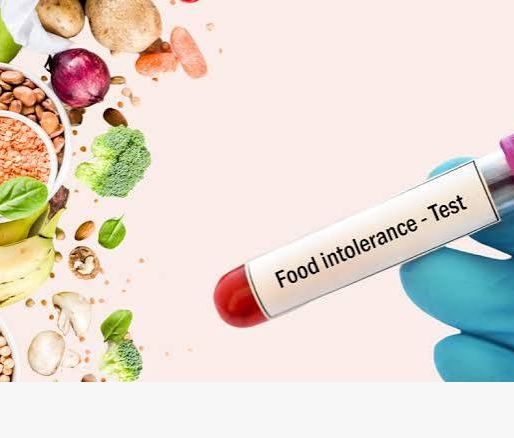
A food intolerances test typically involves a blood sample analyzed for a range of potential food sensitivities, offering a starting point for identifying which specific foods might be contributing to your bloating, rather than continuing to guess through trial and error alone.
What Testing Can Offer
- A targeted list of foods worth investigating further, based on your body’s specific response markers
- A more efficient starting point than eliminating entire food groups randomly
- Direction for a structured elimination and reintroduction process to confirm actual triggers
What Testing Alone Can’t Do
- Provide an instant, guaranteed diagnosis without further confirmation through elimination and reintroduction
- Replace a doctor’s evaluation if bloating is severe, persistent despite dietary changes, or accompanied by more concerning symptoms
The Elimination and Reintroduction Process
Testing works best as the first step in a broader process, not a standalone answer:
- Testing identifies potential triggers based on your body’s specific markers
- Elimination involves removing flagged foods from your diet for a set period
- Monitoring your bloating and other symptoms during this elimination window
- Reintroduction of foods one at a time, carefully observing whether bloating returns
- Confirmation of actual triggers based on how your body responds during reintroduction, not just the initial test result alone
This structured approach tends to provide far more reliable, personalized answers than either ignoring the test results or making permanent dietary changes based on the test alone without confirming through actual reintroduction.

Quality Nursing Care at Home
We offer highly experienced nurse care service at your door step in Dubai.

24x7 Medical care and great customer service
Trained DHA registered nurses, care takers, babysitters, newborn care and midwifery services you can rely on.
Is It Bloating from Intolerance, or Something Else Entirely?
It’s worth acknowledging that bloating can stem from various causes beyond food intolerance, including stress, eating habits like eating too quickly, certain medical conditions, or hormonal changes. Food intolerance testing is most useful when bloating shows a reasonably consistent pattern related to eating, rather than occurring randomly or in situations unrelated to specific meals.
When to See a Doctor Instead of Testing Alone
If bloating is severe, accompanied by significant pain, unexplained weight loss, blood in stool, or persists despite dietary changes following testing, a doctor’s evaluation is essential. These symptoms may indicate something requiring medical attention beyond typical food intolerance, and shouldn’t be addressed through testing and dietary adjustment alone.
Distinguishing Intolerance from a True Allergy
It’s worth clarifying that bloating and digestive discomfort are typically associated with intolerance, not a true allergy. A true food allergy test, involving immune system markers, is designed to detect a different kind of reaction entirely, one that can cause symptoms like hives, swelling, or difficulty breathing, rather than digestive discomfort alone. If you experience these kinds of symptoms alongside or instead of bloating, an allergy food test through a doctor is the more appropriate next step.
What Life Looks Like After Identifying Your Triggers
Many people who finally identify their specific bloating triggers describe a genuine shift, not just in physical comfort, but in overall confidence around eating, since meals no longer come with the same underlying anxiety about how they’ll feel afterward. Having actual, specific answers, rather than continuing to guess, tends to make managing diet feel significantly more manageable and far less restrictive than avoiding broad categories of food just in case.
Get to the Bottom of Your Bloating – Nightingale Health Services
Persistent bloating deserves real answers, not just guesswork about which foods might be the problem. Nightingale Health Services offers reliable food intolerance testing Dubai residents trust, helping you finally identify your specific triggers and eat with genuine confidence again.
Ready to find out what’s really behind your bloating? Contact us to learn more and get started today.
Everything You Need To Know
Still unsure about something? Our team answers questions like these every day.
Talk to usWhile occasional bloating is common, consistent bloating after most meals is worth investigating further, since it often points to a specific, identifiable cause rather than something to simply accept as normal.
Testing provides a targeted starting point, but confirming the actual trigger typically requires following up with an elimination and reintroduction process to observe your body’s actual response.
This varies by individual, but many people notice a reduction in bloating within days to a couple of weeks of eliminating a confirmed trigger food.
Yes, bloating can have various causes, including stress, eating habits, or underlying medical conditions. If bloating persists despite dietary changes, a doctor’s evaluation is important to rule out other causes.
Yes, when properly collected and processed by a certified laboratory, at-home testing provides comparable, reliable results to clinic-based testing.
Receive top-notch healthcare services right at home in Dubai.
Your health is our priority — call now to know more about Nightingale Home Healthcare Services in Dubai.