Skip to content
Pay in instalments with Tamara or TabbyBuy now pay later
Post Cesarean Care at Home

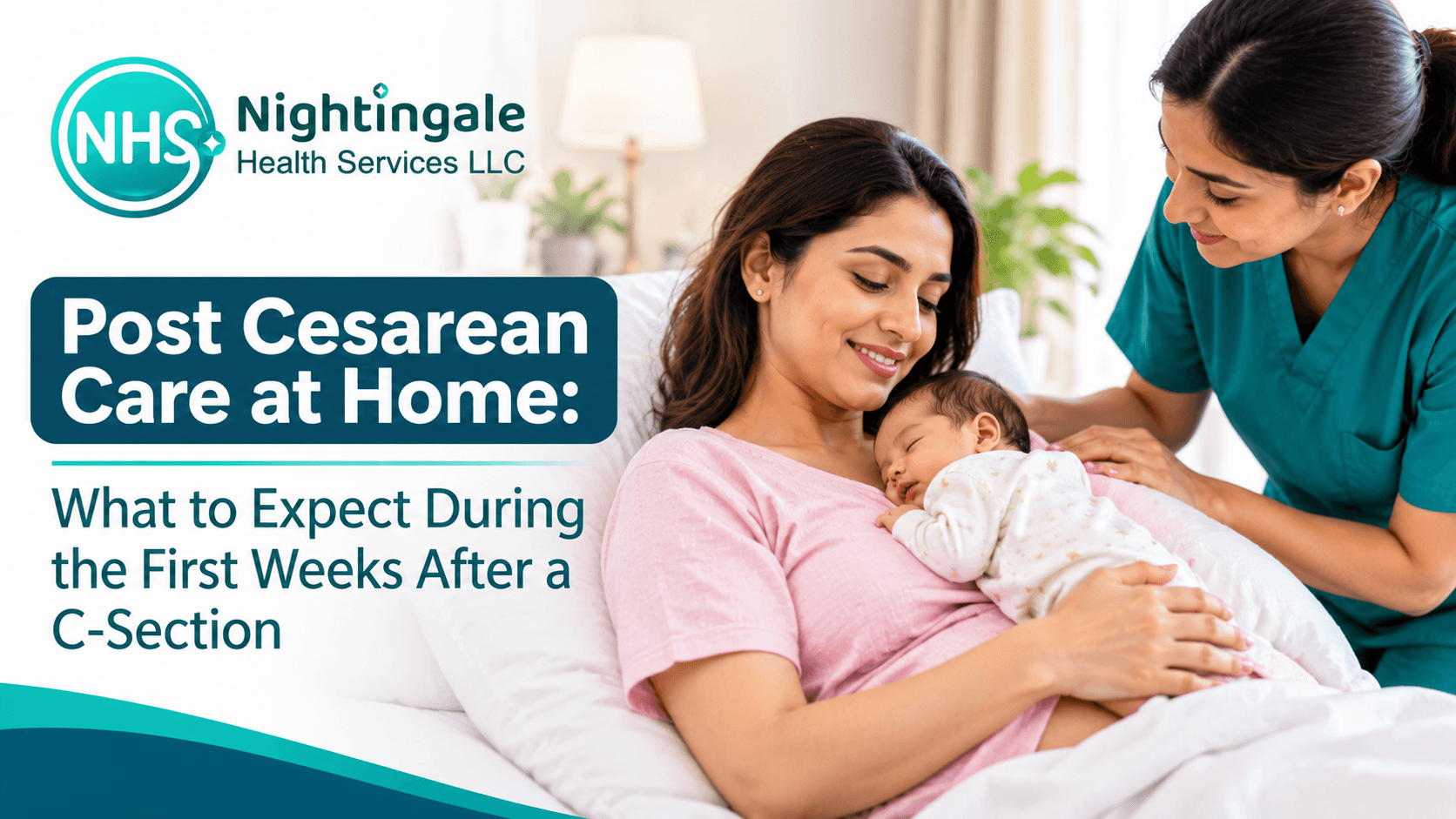
Post Cesarean Care at Home: What to Expect During the First Weeks After a C-Section

Post-Cesarean Care6 min read

Post Cesarean Care at Home: First Weeks Week by Week 

You've had your baby, you're home, and now you're recovering from major abdominal surgery while caring for a newborn. It's a lot. Many mothers say the hardest part isn't any single symptom, it's not knowing what's normal at each stage. This guide walks through the first weeks after a cesarean week by week, so you know what to expect, what helps, and when to call for help. It's a general guide only: your surgeon's instructions always come first, and every recovery is a little different.

Why Recovery Is Different After a C-Section

A cesarean involves an incision through the skin and the muscle layers of the abdomen and the uterus. That means you're healing from surgery and also going through the usual postpartum changes: hormonal shifts, bleeding, milk coming in, and disrupted sleep. Good post cesarean care at home supports both, with attention to the wound, pain, movement, rest, feeding, and emotional wellbeing.

The First Few Days at Home

What You May Feel

  • Soreness and tenderness around the incision, often worse when you move, cough, laugh, or sneeze
  • Tiredness that goes beyond ordinary newborn exhaustion
  • Gas pain, bloating, or constipation as your digestion wakes back up
  • Vaginal bleeding (lochia), which is normal after a cesarean too
  • Emotional ups and downs as hormones settle

What Helps

  • Take pain relief as directed. Staying ahead of pain makes it easier to move, feed, and rest. Follow your doctor's instructions about what to take and when.
  • Support your abdomen. Hold a small pillow firmly over the incision when you cough, laugh, or sit up.
  • Get up gently. Roll to your side and push up with your arms instead of sitting straight up.
  • Walk a little, often. Short, slow walks around the house support circulation and digestion.
  • Rest when the baby rests. It's a cliché because it matters.
  • Accept help. Let others handle cooking, laundry, and the household, so your energy goes into healing and feeding.

Incision Care Basics

Follow the specific instructions you were given. In general:

  • Keep the area clean and dry
  • Pat dry gently after washing, don't rub
  • Wear loose, comfortable clothing that doesn't rub the incision
  • Look at the wound daily, or ask someone to check it for you
  • Don't apply creams or products unless your doctor advises you to

Week One

What You May Notice

  • Soreness gradually becoming more manageable, though it may flare after too much activity
  • Bleeding that is heavier at first, then slowly lightening in color and flow
  • Milk coming in, with fuller or tender breasts
  • Fatigue, as your body prioritizes healing

Feeding Tips

Many mothers find that certain positions are easier on the incision:

  • The football (clutch) hold, with the baby tucked beside you, keeps weight off your abdomen
  • Side-lying, so you can rest while feeding
  • Pillows for support, so the baby doesn't press on the wound

If feeding is painful or difficult, speak to a breastfeeding consultant early rather than struggling on.

Important to Know

  • Avoid lifting anything heavier than your baby until your doctor says you can
  • Don't drive until you have been cleared, since you need to brake and react without pain or hesitation
  • Stay hydrated and eat fiber-rich foods to help with constipation, and ask your doctor about stool softeners if needed

Week Two

What You May Notice

  • Noticeably less pain for many mothers, though you may still tire easily
  • The incision looking less angry, with skin tightness or numbness around the scar, which is common
  • Bleeding continuing but lightening
  • A sense of finding your feet with feeding and the baby's rhythms

Take It Easy

It's tempting to do more once you feel better, but overdoing it can set you back. Keep up gentle walking, but avoid strenuous tasks, vacuuming, carrying heavy bags, and prolonged standing.

Check the Wound

Keep an eye out for signs of infection, including redness spreading beyond the incision, increasing warmth or swelling, discharge, a foul smell, or a wound that seems to be opening.

Weeks Three and Four

What You May Notice

  • Increasing energy and mobility
  • Less need for pain relief, though some tenderness remains
  • Tingling, itching, or numbness around the scar as nerves heal
  • Emotions may still swing, especially with broken sleep

Gradually Expand Your Activity

Walking for longer is usually fine, but continue to avoid heavy lifting and intense exercise until you're cleared. Listen to your body: if something pulls, aches, or hurts, ease off.

Don't Overlook Your Mood

The "baby blues," with tearfulness, anxiety, or irritability, are common in the first couple of weeks. If low mood, worry, or a sense of being overwhelmed persists or deepens, speak to your doctor. Postnatal depression and anxiety are common and treatable, and you deserve support.

Weeks Five and Six, and Beyond

What You May Notice

  • Many mothers feel considerably better, though full healing of deeper tissues takes longer than the surface of the scar suggests
  • Scar tissue continuing to soften and fade over months
  • Energy gradually returning

The Postnatal Check

A postnatal check-up is typically arranged around six weeks, though your doctor may schedule differently. This is a good time to ask about:

  • Resuming exercise, including core work
  • Returning to sexual activity and contraception
  • Scar care and any concerns about the wound
  • Your emotional wellbeing
  • Anything that still doesn't feel right

Don't wait for the check-up to raise concerns if something worries you earlier.

What Professional Support at Home Can Offer

Postnatal care Dubai families arrange after a cesarean can include:

  • Wound checks and dressing support where needed
  • Monitoring of recovery, including signs of infection or complications
  • Mobility guidance on moving safely and gradually
  • Feeding support, including positions that suit your recovery
  • Newborn care help, so you can rest
  • Emotional reassurance from someone who has seen this stage before

Postpartum care Dubai services vary, so ask what's included, how often visits occur, and the qualifications of the staff.

  • Quality Nursing Care at Home

    We offer highly experienced nurse care service at your door step in Dubai.

  • 24x7 Medical care and great customer service

    Trained DHA registered nurses, care takers, babysitters, newborn care and midwifery services you can rely on.

Warning Signs: When to Seek Help Promptly

Contact your doctor or seek urgent care if you notice:

  • Fever of 38°C or above
  • Heavy bleeding, such as soaking through a pad in an hour, or passing large clots
  • Wound problems, including spreading redness, swelling, pus, a foul smell, or the incision opening
  • Severe or worsening pain that medication doesn't control
  • Pain, swelling, redness, or warmth in one calf, which can signal a blood clot
  • Chest pain or shortness of breath, which needs emergency care
  • Severe headache, vision changes, or sudden swelling of the face or hands
  • Burning with urination or difficulty passing urine
  • Thoughts of harming yourself or your baby, which need urgent help

If you're ever unsure, call. It's always better to ask than to wait.

Recover With Support - Nightingale Health Services

You don't have to manage surgical recovery and a newborn alone. Nightingale Health Services offers experienced post cesarean care at home, along with comprehensive postnatal care Dubai mothers can rely on, so you can heal, rest, and get to know your baby.

Ready to arrange support? Contact us to learn more and get started today.

Everything You Need To Know

Still unsure about something? Our team answers questions like these every day.

How long does it take to recover from a C-section?

Recovery varies, but many mothers feel significantly better within a few weeks, while deeper healing continues for longer. Your doctor can give guidance based on your situation.

When can I lift things or drive again?

This depends on your surgeon's advice and how you feel. Avoid lifting anything heavier than your baby until cleared, and don't drive until you can brake and react comfortably.

Is it normal to have bleeding after a C-section?

Yes, lochia occurs after cesarean births too, though it's typically lighter than after some vaginal births. Heavy bleeding or large clots need prompt medical attention.

What if my incision looks red or feels itchy?

Mild itching or pinkness can be part of healing, but spreading redness, warmth, swelling, or discharge should be checked promptly.

Can I get help at home during recovery?

Yes. Home visits for wound checks, feeding support, and newborn care can make recovery easier, particularly when mobility is limited.

24/7 At-Home Care

Receive top-notch healthcare services right at home in Dubai.

Your health is our priority — call now to know more about Nightingale Home Healthcare Services in Dubai.