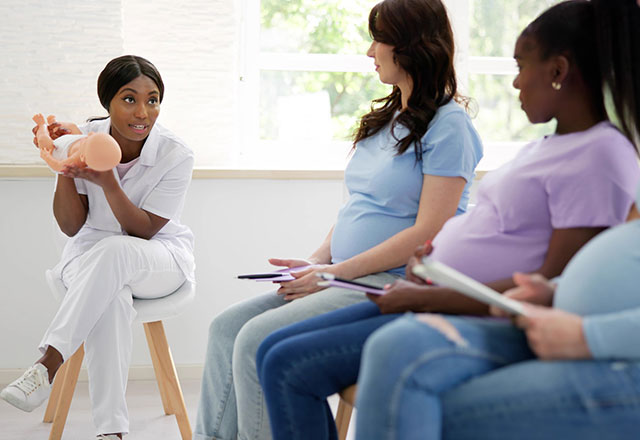
Prenatal Classes in Dubai: Group, Private or Online?
Once you’ve decided to sign up for prenatal classes in Dubai, a practical question follows quickly: which format actually fits your life? Group sessions, private one-on-one classes, and online options all cover similar core material, but the experience, flexibility, and cost differ significantly between them. Here’s a clear, honest comparison to help you choose the format that genuinely works for you.
Why Format Matters As Much As Content
Most antenatal classes Dubai providers offer cover a similar core curriculum – labor stages, pain management, newborn basics, and postpartum recovery. What really differentiates one option from another is how that information is delivered, and that difference can significantly affect how much you actually retain, how comfortable you feel asking questions, and how well the class fits into your schedule and budget.
Group Prenatal Classes
What They’re Like
Group classes bring together several expectant couples or parents, usually meeting over a series of weeks, covering the full curriculum in a structured, classroom-style format.
Advantages
Cost-effective: Splitting instructor time across multiple participants typically makes group classes more affordable per session.
Peer connection: Meeting other expectant parents navigating the same stage of pregnancy often creates a genuine sense of community and support.
Shared questions benefit everyone: Hearing other parents’ questions and concerns often surfaces topics you hadn’t thought to ask about yourself.
Structured pacing: A set weekly schedule creates accountability and consistent progress through the material.
Considerations
Less individualized attention: Specific concerns unique to your pregnancy or birth plan may get less focused discussion time.
Fixed scheduling: Group classes run on a set timetable, which may not always align perfectly with your availability.
Less privacy: Some parents feel more comfortable asking personal or sensitive questions in a one-on-one setting rather than in front of a group.
Best For
Parents who value community connection, are looking for a more budget-friendly option, and are comfortable learning and asking questions in a group setting.
Private Prenatal Classes
What They’re Like
Private classes involve one-on-one instruction, either as an individual or as a couple, tailored specifically to your questions, concerns, and circumstances.
Advantages
Fully personalized content: The instructor can focus entirely on your specific birth plan, concerns, or medical considerations.
Flexible scheduling: Sessions can typically be arranged around your availability, rather than a fixed group timetable.
Private, judgment-free space: Some parents feel more comfortable discussing personal concerns without an audience.
Pace matched to you: Spend more time on topics that matter most to you, and less on areas you already feel confident about.
Considerations
Higher cost: Since you’re receiving dedicated, individualized instructor time, private classes are generally priced higher than group sessions.
No peer community: You miss out on the opportunity to connect with other expectant parents going through the same experience simultaneously.
Best For
Parents with specific medical considerations, those who prefer privacy, couples wanting a highly personalized experience, or anyone whose schedule doesn’t align well with fixed group class times.
Online Prenatal Classes
What They’re Like
Online classes deliver prenatal education through virtual sessions, either live or pre-recorded, allowing parents to participate remotely.
Advantages
Maximum flexibility: Particularly valuable for parents with demanding schedules, mobility limitations later in pregnancy, or those who simply prefer learning from home.
Often more affordable: Online formats can reduce costs associated with in-person facilities and instructor travel.
Revisit material easily: Pre-recorded content, in particular, allows parents to rewatch sections as needed, reinforcing retention.
No travel required: Especially helpful in the later stages of pregnancy when mobility and comfort can be more limited.
Considerations
Less hands-on practice: Certain elements, like practicing specific positioning or breathing techniques with real-time feedback, can be harder to fully replicate online.
Fewer opportunities for spontaneous questions: Particularly with pre-recorded content, there’s less opportunity for the kind of natural back-and-forth discussion that live sessions offer.
Requires self-motivation: Without a scheduled in-person commitment, some parents find it easier to deprioritize online sessions amid busy schedules.
Best For
Parents with limited mobility, unpredictable schedules, or those who genuinely prefer the flexibility and comfort of learning from home, particularly for reviewing material at their own pace.
A Side-by-Side Comparison
Factor
Group Classes
Private Classes
Online Classes
Cost
Most affordable
Highest cost
Often most affordable
Personalization
Limited
Fully personalized
Limited unless live and interactive
Peer connection
Strong
None
Limited or none
Scheduling flexibility
Fixed timetable
Highly flexible
Very flexible
Hands-on practice
Yes, in person
Yes, in person
Limited, depending on format
Privacy
Lower
High
High
Can You Combine Formats?
Yes, and many parents do. A common approach is starting with a group class for the core curriculum and community connection, then booking a private session closer to the due date to address specific, personalized questions or concerns that came up along the way. Similarly, some parents use online content for early general education, then attend in-person sessions for hands-on practice like breathing techniques or partner support positioning.
How to Decide What’s Right for You
Consider asking yourself:
Do I value connecting with other expectant parents, or would I prefer privacy?
Is my schedule flexible enough for a fixed weekly group class, or do I need more adaptable timing?
Do I have specific medical considerations or concerns that would benefit from personalized, one-on-one attention?
How important is hands-on practice for techniques like breathing or partner support positioning?
What does my budget comfortably allow for?
There’s no universally “best” format – only the one that fits your specific circumstances, preferences, and needs.
Frequently Asked Questions
Are private prenatal classes significantly more expensive than group classes?
Generally, yes, since you’re receiving dedicated one-on-one instructor time rather than sharing that time across multiple participants, though pricing varies by provider.
Can online prenatal classes really replace in-person instruction?
For general education, yes, many parents find online classes highly effective. For hands-on skills like specific breathing techniques or partner support practice, in-person instruction offers more direct, real-time feedback.
Is it common to combine different class formats?
Yes, many parents combine a group or online class for general education with a private session closer to their due date to address specific, personalized questions.
Which format is best for a high-risk pregnancy with specific concerns?
Private classes often work particularly well in this situation, since the instructor can focus entirely on your specific medical considerations and concerns.
Do all formats cover the same core material?
Generally, yes, most reputable providers cover similar core topics like labor, delivery, newborn care, and postpartum recovery across all formats, though depth and personalization vary.
Find Your Fit with Nightingale Health Services
Whether you thrive in a group setting, prefer fully personalized private instruction, or need the flexibility of learning from home, Nightingale Health Services offers prenatal classes in Dubai in the format that genuinely works for you.
Ready to choose the right fit for your family? Contact us to learn more and reserve your spot today.
Every first-time parent hits the same moment eventually – somewhere in the second or third trimester, the excitement starts mixing with a quiet sense of “wait, what am I actually supposed to do?” That’s exactly the gap prenatal classes in Dubai are designed to fill, offering practical, hands-on preparation for labor, birth, and those overwhelming early weeks with a newborn.
If you’ve been putting off signing up because you’re not entirely sure what these classes even cover, here’s a clear, honest breakdown of what you can expect to actually learn.
Why Prenatal Classes Matter More Than You Might Think
Reading articles and watching videos online can only take you so far. Prenatal classes offer something different: structured, expert-led education combined with the chance to ask real questions and practice hands-on skills before the baby actually arrives.
For first-time parents especially, this preparation often makes a meaningful difference in confidence levels heading into labor and the early newborn stage, when there’s simply no substitute for having practiced key skills in advance.
What Do Prenatal Classes Actually Cover?
Understanding the Stages of Labor
Most classes walk through the physical stages of labor in detail – early labor, active labor, and delivery – helping parents understand what’s happening at each stage and roughly what to expect physically and emotionally throughout the process.
Pain Management Options
A major focus of most prenatal programs is exploring available pain relief options, from breathing techniques and positioning to medical interventions like epidurals, so parents can make informed decisions rather than facing unfamiliar choices mid-labor.
Breathing and Relaxation Techniques
Many classes teach specific breathing patterns and relaxation methods designed to help manage discomfort and maintain a sense of control during contractions.
The Role of a Birth Partner
Partners often learn practical ways to provide support during labor – from comfort measures and positioning assistance to simply understanding what the laboring parent might need emotionally at each stage.
What Happens During Delivery
Classes typically explain the physical process of delivery itself, including what to expect during pushing, common interventions, and the immediate moments after birth.
Cesarean Section Preparation
Since not every birth goes exactly as planned, most antenatal classes Dubai parents attend also cover what to expect during a cesarean delivery, helping reduce anxiety around the possibility even if a vaginal delivery is anticipated.
Newborn Basics
A significant portion of prenatal education focuses on life immediately after birth – basic newborn care, safe sleep practices, diapering, and recognizing normal newborn behavior versus signs that need medical attention.
Feeding Fundamentals
Whether breastfeeding, formula feeding, or a combination, most classes introduce the basics of feeding techniques, common early challenges, and where to seek further support if needed.
Postpartum Recovery
Physical and emotional recovery after birth is often underdiscussed elsewhere, so many classes dedicate time specifically to what recovery actually looks like, both physically and mentally, in the weeks following delivery.
Recognizing Warning Signs
Classes typically cover which symptoms, in both parent and baby, warrant contacting a doctor promptly, helping new parents feel more confident distinguishing between normal adjustment and something that needs medical attention.
Emotional Preparation
Beyond the physical process, many programs also address the emotional transition into parenthood, including common experiences like anxiety, overwhelm, and the adjustment period that comes with such a major life change.
Types of Prenatal Classes Available
Antenatal classes in Dubai come in a variety of formats to suit different needs and schedules:
Group classes: A structured, multi-week program covering the full range of topics, often with the added benefit of connecting with other expectant parents.
Private or one-on-one sessions: Personalized instruction tailored specifically to your questions, concerns, and birth plan preferences.
Refresher classes: Shorter sessions designed for parents who’ve given birth before but want a refresher, or who have a longer gap since their last pregnancy.
Specialized classes: Some programs focus specifically on topics like breastfeeding, cesarean preparation, or newborn care as standalone sessions.
Benefits of Connecting with Other Expectant Parents
Group-based prenatal classes offer something beyond the curriculum itself – the opportunity to meet other parents navigating the exact same stage of life. Many friendships and support networks form during these classes, offering a valuable community during pregnancy and well into the early parenting months, when having others to relate to can make a real difference.
When Should You Start Prenatal Classes?
Timing varies by provider and program length, but many parents begin classes sometime in the second trimester, allowing enough time to complete a full program before the third trimester, when travel and mobility can become more limited. Some specialized or shorter classes may also be available closer to the due date for parents who start preparation a bit later.
What to Look for When Choosing a Prenatal Class
Qualified instructors with relevant medical or childbirth education backgrounds
Comprehensive coverage across labor, delivery, newborn care, and postpartum topics
Flexible formats, whether in-person, private, or a combination
Opportunities for hands-on practice, not just lecture-style learning
A comfortable, judgment-free environment for asking questions, no matter how basic they may seem
Frequently Asked Questions
When is the best time to start prenatal classes?
Many parents begin during the second trimester, allowing enough time to complete a full course before the later stages of pregnancy, though shorter or specialized classes may be available later as well.
Do prenatal classes cover cesarean deliveries too?
Yes, most comprehensive programs cover both vaginal and cesarean delivery, since it’s important to feel prepared for either outcome.
Should my partner attend prenatal classes with me?
It’s highly recommended. Partners play an important support role during labor and the early newborn period, and attending classes together helps both parents feel prepared and aligned.
Are private prenatal classes better than group classes?
Neither is inherently “better” – private classes offer more personalized attention, while group classes provide the added benefit of connecting with other expectant parents. Many families choose based on personal preference and schedule.
Do prenatal classes really help with the postpartum period, or just labor?
Most comprehensive programs dedicate meaningful time to postpartum recovery and newborn care, not just labor and delivery, recognizing that the transition into early parenthood is just as important to prepare for.
Prepare with Confidence – Nightingale Health Services
Walking into labor and those first weeks of parenthood with real preparation makes an enormous difference. Nightingale Health Services offers comprehensive prenatal classes in Dubai, covering everything from labor and delivery to newborn care and postpartum recovery, guided by experienced, supportive instructors.
Ready to feel prepared for what’s ahead? Contact us to learn more and reserve your spot today.
Dr. Amelie Hofmann-Werther extends her expert advice on COVID-19 and Pregnancy
Dr. Amelie Hofmann-Werther, Specialist Gynaecology and Obstetrics extends her free advice during the Covid-19 pandemic for Mothers-to-be. Be informed about what to expect and how to be prepared during a worst case scenario.
Dr Amelie Hofmann-Werther is a German board-certified gynecologist and obstetrician with over 12 years of experience in fetal medicine and prenatal ultrasound diagnostics, high-risk pregnancy management, cytology and dysplasia diagnostics, colposcopic procedures and endocrinology and infertility diagnostics.
Last edit: Apr 18, 2020 * Below data may/may not change in due course of time. This blog is written as a service to assist the community during COVID-19 outbreak. You can reach us using the toll free number (800823) or send an email if you need further information or if you have any questions. You are advised to go through the Disclaimer and Privacy policy in case of any concerns.
Table of Contents
COVID-19 and Pregnancy
I’m pregnant. How can I protect myself against COVID-19?
Pregnant women should take the same precautions to avoid COVID-19 infection as other people.You can help protect yourself by:
Washing your hands frequently with an alcohol-based hand rub or soap and water till dry or soap and water for 30 seconds
Keeping space between yourselves and others and avoiding crowded spaces.
Avoiding touching your eyes, nose and mouth.
Practicing respiratory hygiene. This means covering your mouth and nose with your bent elbow or tissue when you cough or sneeze. Then dispose of the used tissue immediately.
Avoid wearing jewelry, accessories and watches as it is difficult to keep them hygienic
Husbands are advised to avoid a long beard
What care should be available during pregnancy and childbirth?
All pregnant women, including those with confirmed or suspected COVID-19 infections, have the right to high quality care before, during and after childbirth. This includes antenatal, newborn, postnatal, intrapartum and mental health care. But on top of that, much more patient education and mental support is needed.
Isolation, financial difficulties, insecurity, inability to access support systems are recognized factors putting mental wellbeing at risk. The corona virus epidemic increases the risk of perinatal anxiety, endogene depression, sleep depriviation and malnutrition. It is crucial that support for women and families is strengthened as far as possible.
A safe and positive childbirth experience includes:
Being treated with respect and dignity;
Having a companion of choice present during delivery;
Clear communication by maternity staff;
Appropriate pain relief strategies:
Mobility in labour where possible, and birth position of choice.
It is essential that care remains available and accessible to ensure continued support for women with their complex needs.
If I tested positive for COVID-19, can it pass through the placenta or birth canal to my baby?
We still do not know exactly, if a pregnant woman with COVID-19 can pass the virus to her fetus or baby during pregnancy or delivery. There is no evidence so far, that COVID-19 has teratogenic potential, meaning causing any malformation in the fetus.
Vertical transmission i.e. transmission from mother to baby antenatally or intrapartum is so far unknown, presumably there is no. So far no virus could be detected in amniotic fluid or cord blood.
According to a case study published in Frontiers in Pediatrics, there is no evidence that COVID-19 could be transmitted vertically to the fetus from the pregnant mother and cause a clinically significant infection. You can get a PCR COVID test from home by clicking here.
If I tested positive for COVID-19, what are the chances for a miscarriage or any complications?
Regarding a risk of miscarriage or early pregnancy loss related to COVID-19, there is so far not data suggesting an increased risk. Early pregnancy studies with SARS and MERS did not demonstrate a convincing relationship between infection and increased risk of miscarriage or second trimester loss4. There is also no evidence so far, that COVID-19 has teratogenic potential.
Is there a risk for fetal growth restrictions if I tested positive for COVID-19 in pregnancy?
No, there is no such evidence as of now, but in ongoing pregnancies after SARS fetal growth restrictions were observed. There is a recommendation for serial growth scans every 2-4 weeks in suspected cases, depending on the week of pregnancy at time of infection and gestational age.
How do I distinguish between a fever related to my pregnancy or to COVID-19?
The symptoms to ask about are: fever ≥37.8 AND at least one of acute persistent cough, hoarseness, nasal discharge/congestion, shortness of breath, sore throat, wheezing or sneezing. Women with an isolated fever should be investigated, including sending a full blood count. If lymphopenia is identified on the full blood count, testing for COVID-19 should be arranged.
Do pregnant women with suspected or confirmed COVID-19 need to give birth by caesarean section?
No. COVID-19 infection itself is not an indication for caesarean section. WHO advice is that caesarean sections should only be performed when medically justified. The mode of birth should be individualized and based on a woman’s preferences alongside obstetric indications.
At what week of pregnancy is delivery recommended in a term pregnant woman with confirmed COVID-19? Do you suggest induction of labor?
COVID-19 infection itself is not an indication for delivery, unless there is a need to improve maternal oxygenation. The timing and mode of delivery should be individualized, dependent mainly on the clinical status of the patient, gestational age and fetal condition. In the event that an infected woman has spontaneous onset of labor with optimal progress, she can deliver vaginally. Shortening the second stage by operative vaginal delivery can be considered if there is a need to improve maternal oxygenation or a woman’s respiratory condition demands urgent delivery.
Can I still have pain relief and an epidural in labour?
Yes. There is no evidence that epidural or spinal analgesia is contraindicated in the presence of corona virus. Epidural analgesia may be recommended in labour, to women with suspected or confirmed COVID-19 to minimize the need for general anaesthesia if an urgent delivery is needed.
Airborne Infection Isolation Rooms should be reserved for patients undergoing aerosol-generating procedures. There is no evidence that the use of Entonox is an aerosol-generating procedure (AGP). Entonox should be used with a single-patient microbiological filter.
Can I still request delayed cord clamping?
Yes. Given a lack of evidence to the contrary, delayed cord clamping is still recommended following birth, provided there are no other contraindications. The baby can be cleaned and dried as normal, while the cord is still intact. The neonatal team should be informed of plans for the birth of the baby of a woman affected by moderate to severe COVID-19 as far in advance as possible and should also be given sufficient notice at the time of birth, to allow them to attend and secure PPE before entering the room/theatre.
What could be potential risks of delayed cord clamping?
An extended exposure of the newborn to the confirmed/suspected COVID-19 mother as the distance of separation would be less than < 1 meter.
Can my birth partner be present during the birth?
Yes. Asymptomatic birth partners should adhere to hygiene guidelines. If symptomatic, birth partners should remain in self-isolation and not attend. Women should be advised to identify an alternative birth partner in advance, should the need arise. Husbands are advised to avoid long beard.
Is a surgical mask adequate or is it recommended to wear P3-masks for during active labor?
Most guidelines recommend using a FFP3 or N95 respirator if attending to a delivery of a confirmed/probable/suspected COVID-19 patient. For all other patients, we recommend the use of a surgical mask as in all other clinical areas.
Can I breastfeed my baby if I’m COVID-19 positive?
Yes. Women with COVID-19 can breastfeed if they wish to do so. Currently, the primary concern is not whether the virus can be transmitted through breast milk, but rather whether an infected mother can transmit the virus through respiratory droplets during the period of breastfeeding. So the main risk of breastfeeding is the close contact between the infant and the mother. The risks and benefits of breastfeeding, including the risk of holding the baby in close proximity, should they be infected, needs to be discussed with the parents. Some guidelines recommend a temporary separation of mother and baby if the mother is tested positive. This is currently the recommendation US, China, Singapore, HK. Rooming-in for PUI’s requires special precaution to limit viral spread to the baby:
Wash hands before touching the baby, breast pump or bottles.
Avoid coughing or sneezing while feeding.
Consider wearing a face mask and gloves while feeding or caring for the baby.
Where a breast pump is used, follow recommendations for pump cleaning after use.
For babies who are bottle fed with formula or expressed milk, strict adherence to sterilization guidelines is recommended.
Where mothers are expressing breast milk in hospital, dedicated pumps to be used.
In limited case series reported to date, no evidence of virus has been found in the breast milk of women infected with COVID-19; however, it is not yet known if COVID-19 can be transmitted through breast milk (i.e., infectious virus in the breast milk).
Should I continue with my pre-natal visits during COVID-19 lockdowns?
Maternity care remains essential in times of social distancing. Antenatal & postnatal care based on years of evidence aim at keeping mothers and babies safe during pregnancy and childbirth. Women not attending or being deprived of antenatal services are known to be at increased risk of adverse perinatal outcomes including maternal morbidity, stillbirth, depression and others.
Women should therefore be encouraged to adhere with antenatal care guidelines and screening recommendation despite being advised to otherwise strictly engage with social distancing measures.
There may be a need to reduce the number of antenatal visits or replace face-to-face visits by online consultations, but visits should not be reduced without agreeing so first with the treating healthcare provider or facility. This should be communicated with the patients taking into account available evidence on the safe number of visits required.
If a routine scan or visit is due, patients should contact the maternity unit or clinic for advice and to agree on a plan. Scans should be prioritised in the following order:
Anomaly scan at 18+0 -23+0 weeks
Ultrasound +/- screening at 11+2 -14+1
Growth scans
Patients should be encouraged to attend antenatal care unless they meet current self-isolation guidance for individuals and households of individuals with symptoms. For women who have had symptoms recently, appointments can be deferred until 7 days after the start of symptoms, unless symptoms persevere. For women who are self-isolating because someone in their household has possible symptoms of COVID-19, appointments should be deferred for 14 days.
The symptoms to ask about are: fever ≥37.8 AND at least one of acute persistent cough, hoarseness, nasal discharge/congestion, shortness of breath, sore throat, wheezing or sneezing. Women with an isolated fever should be investigated, including sending a full blood count1. If lymphopenia is identified on the full blood count, testing for COVID-19 should be arranged.
Clinics should develop a system to flag women who have missed serial appointments, which is a particular risk for women with other children who may become repeatedly unwell or can’t be left unmonitored. Any pregnant who has a routine appointment delayed for more than 3 weeks should be contacted proactively by the clinic.
Does prenatal corticoid treatment in COVID patients worsen their condition?
For preterm cases requiring delivery, we urge caution regarding the use of antenatal steroids for fetal lung maturation in a critically ill patient, because this can potentially worsen the patients clinical condition, based on data from MERS. An individualized decision needs to be made based on maternal and fetal condition an gestational age.
Should I be worried about COVID-19 at the hospitals when delivering my baby?
When a woman with confirmed or suspected COVID-19 is admitted to the delivery ward, the following staff should be informed: consultant obstetrician, consultant anaesthetist, midwife-in-charge, consultant neonatologist, neonatal nurse in charge and infection control team.
If the women is confirmed to be COVID-19 patient, she may not be admitted to the regular delivery ward as some hospitals have prepared special isolated delivery rooms.
Efforts should be made to minimize the number of staff members entering the room and units should develop a local policy specifying essential personnel for emergency scenarios. The use of personal protective equipment (PPE) should be in line with the guidelines for the current COVID-19 pandemic.
With regard to mode of birth, an individualized decision should be made, with no obstetric contraindication to any method except water birth.1 Caesarean birth should be performed if indicated based on maternal and fetal condition as in normal practice.
Given the rate of fetal compromise reported in the two Chinese case series the current recommendation is for continuous electronic fetal monitoring in labour. There is currently no evidence to favour one mode of birth over another. The mode of birth should be discussed with the patient, taking into consideration her preferences and any obstetric indications for intervention. Mode of birth should not be influenced by the presence of COVID-19, unless the woman’s respiratory condition demands urgent delivery.
Patients with known or suspected COVID-19 should be cared for in a single-person room. Airborne Infection Isolation Rooms should be reserved for patients undergoing aerosol-generating procedures. There is no evidence that the use of Entonox is an aerosol-generating procedure (AGP). Entonox should be used with a single-patient microbiological filter.
There is also no evidence that epidural or spinal analgesia is contraindicated in the presence of corona virus. Epidural analgesia may be recommended in labour, to women with suspected or confirmed COVID-19 to minimize the need for general anaesthesia if an urgent delivery is needed.
An individualized decision may be required regarding shortening the length of the second stage of labour with elective instrumental birth in a symptomatic woman who is becoming exhausted or hypoxic. Given a lack of evidence to the contrary, delayed cord clamping is still recommended following birth, provided there are no other contraindications. The baby can be cleaned and dried as normal, while the cord is still intact.
The neonatal team should be informed of plans for the birth of the baby of a woman affected by moderate to severe COVID-19 as far in advance as possible and should also be given sufficient notice at the time of birth, to allow them to attend and secure PPE before entering the room/theatre.
Will I be able to see an OB/GYN during my self-isolation?
When a face-to-face visit fails or appointments are missed due to self-isolation, recordkeeping remains paramount. Clinics should appoint a team coordinating patients forced to miss appointments due to self-isolation, reviewing appointments for urgency and either convert them to remote appointments, advice attendance or defer to a later point.
Patients should be encouraged to attend antenatal care unless they meet current self-isolation guidance for individuals and households of individuals with symptoms.
For women who have had symptoms recently, appointments can be deferred until 7 days after the start of symptoms, unless symptoms persevere.
For women who are self-isolating because someone in their household has possible symptoms of COVID-19, appointments should be deferred for 14 days.
Can I touch and hold my newborn baby if I have COVID-19?
Close contact and early, exclusive breastfeeding help a baby to thrive. You should be supported to:
Breastfeed safely, with good respiratory hygiene
You should wash your hands before and after touching your baby, and keep all surfaces clean at home. Consider wearing a face mask and gloves while feeding or caring for the baby.
Some maternity units recommend breast pumping and offering the milk to the newborn by the partner or other family members to decrease the risk of infection from close contact with the mother during direct breastfeeding
Can I access any type of Newborn care and Postnatal Care for Mother and baby at home after Delivery?
As the majority of both clinics and hospitals are following the guidelines from our authorities and the government, home sessions with professionals is not recommended due to precautions taken in line with COVID-19.
You can schedule online teleconsultations with Midwifes and pediatric nurses and if needed with a Doctor as well, you will be dedicated a certain amount of time with the professional on the phone. Start with giving a brief history of;
Type of pregnancy (normal/complicated)
Type of delivery
Date of delivery (hospital and doctor)
Birthweight baby
Any medical interventions done after delivery for Mother or baby?
Feeding method at the moment (breastfeeding/formula)
Most recent weight measured-?
The session will then continue as a normal consultation visit at home or in a clinic, with the client having chance to ask questions about her newborn baby, physical and psychological health and recovery or simply just ventilate for some time.
The professional might decide that a follow up session is needed after a certain amount of days, packages is normally available with a reduces price/ session.
A good advice is to make sure that you are prepared for the session, take a pen and paper and write down all questions that you might have, you can also take notes during the session. Try to schedule the time when the baby is settled (if possible) to make the best time out of it, but all midwifes and professionals are flexible and if the session end being chaos you can simply reschedule at a more suitable baby-time.
The professional might ask for pictures or videos to be sent for certain follow up, or for the purpose of a more detailed anamnesis and as part of the assessment plan.
One to one sessions are available for online preparation and education, join as a couple or just yourself. Theses sessions will help you getting both physically and psychologically prepared for your upcoming birth and labor.
Schedule an hour session to talk about your topic of choice or sign up for a full class to make sure you cover everything from last stage in pregnancy, labor/delivery, first time with a newborn, breastfeeding and a lot more…
Keep watching our Instagram and Facebook channels for free Webinars and Live sessions.
Are you planning to step into the exciting phase of motherhood? It can be the most blissful moment in your life to give birth to a baby but at the same time, it can be fraught with challenges. Hence, it is advisable that you are equipped with the right knowledge about pregnancy care beginning from the prenatal stage to post-pregnancy care for bringing up a healthy child in the most delicate phase of his/ her life.
Prenatal Care for new mothers
Nutrition and healthy habits are indispensable for would-be mothers. Inculcate healthy habits in you from maintaining sound and routinely sleep patterns to avoid bad lifestyle habits such as smoking. Give special attention to diet and nutrition during planning pregnancy or just after entering the phase of pregnancy. You should include in your diet a minimum intake of 0.4 mg of Folic Acid every day. Folic Acid is vitamin B9 and is available in plenty in dark green vegetables such as spinach, broccoli and legumes. Also, avoid any recreational drugs or alcohol during your pregnancy. It is advisable to only go for doctor-prescribed drugs and not any over the counter medicines during the delicate phase of your pregnancy.
Your prenatal visits to your doctor or pregnancy provider are divided into trimesters depending on the month you are down in your pregnancy. Generally, it’s divided as first-trimester care, second-trimester care and third-trimester care during your pregnancy. Depending on the trimester you are in your pregnancy, the doctor will advise you tests such as ultrasounds, fetal echocardiography, amniocentesis etc, to ascertain the development of the child in your womb, check for genetic issues, check the baby’s heart, blood type testing, sexually transmitted diseases and others. Depending on your family history you may also screen the child for genetic problems.
Pregnancy Care
Every pregnancy varies from person to person. For some, it could be a near to normal experience of being able to carry on with their daily work schedule and others may develop some kind of complications. However, developing complications does not in any way suggest that you are not going to have a healthy baby. So, you should never worry about such issues and rather focus on getting the right diagnosis and best of care from your care provider or in some cases, get care from a home nurse. Common pregnancy problems include diabetes, high blood pressure, growth issues with the baby, early labour, vaginal bleeding etc. In such cases try to take special care of the baby with routine monitoring of your health condition. Would-be mothers with health complications are advised bed rest even before their term and take services of a professional home care nurse.
Labor Pain and Delivery
Labour pain is painful but it can be managed by having frequent consultations with your doctor or a nurse to attend to you can be handy in mentally counselling you about it. Especially for first-time mothers. Not just would be mothers but other family members and your spouse attending to you should have some knowledge about this condition or physiological state of yours for not to panic and be your support during the need of the hour. You should consult your doctor whether to go for the epidural block to manage the labour pain better? You should know about medical terms and procedures like episiotomy. What is the procedure of C section and how you should prepare for it mentally? Your home nurse or maternity nurse can assist you with first-hand knowledge about your pregnancy-related queries and for details on the matter, you can always approach your gynaecologist.
After Delivery Care
The first few weeks after delivering a child you need to take complete rest and take care of yourself. The degree of care required will depend on the procedure of your delivery. Mothers who have gone for C section delivery may require the assistance of a maternity nurse for wound dressing to taking care of daily chores. New mothers can learn how to properly breastfeed a baby from a maternity nurse. Breastfeeding is advisable to every mother as that helps her reduce the extra body weight gained during her pregnancy. There can be a lot to learn in breastfeeding your baby. From learning the right positioning of breastfeeding a baby to take care of your breasts to the timing of breastfeeding.
You may need to call your provider for any kind of health complications that you may develop in the weeks right after delivering your baby.
Luckily today there are no dearths of pregnancy care agencies in a city like Dubai, who can always provide you with a competent maternity nurse to take care of you during the prenatal to a few weeks after delivering your baby and make the entire process smooth for you and your family. All you need to exercise is applying caution while selecting a home healthcare agency.
Parenthood can be an exciting phase in your life. A professional pregnancy caregiver or a pregnancy caregiver agency can make your childbirth a safe, smooth and hassle-free experience. The best part is now the in-home pregnancy care agencies are providing packages that take care of the mother before, during and post childbirth.
Why do you need a professional nurse before the due date?
For pre-natal tests, nutrition and health habits, consultation on medicines you should appoint an in-home healthcare provider or may take services of a professional nurse during the third trimester of your pregnancy or during labour. The pregnancy care nurse will ensure that you go for timely tests that may include ultrasound, blood glucose, amniocentesis to check for genetic problems in the baby etc. She will collate the reports of this test and maintain a record in a methodical manner for any inputs required by the doctor during your delivery. The professional pregnancy care nurse will guide you on your daily diet intake with overseeing that your diet has, for example, a daily quota of 0.4 mg of folic acid in it. The caregiver will also ensure that the medicine you are consuming is safe to take while you are in the delicate stage of pregnancy. Health problems during pregnancy such as morning sickness, backaches, vaginal bleeding are common, your nurse will ensure that you do not panic due to such condition and help you manage the pain better.
Support during labour and delivery
Your in-home pregnancy care person is like your knowledge source and partner during the time when your delivery due date is approaching. She will educate you about what to expect during the time of delivery including mentally preparing you for a C-section delivery so that you never fluster during the time of actual delivery. To help you get through the difficult phase of labour she will keep handy a few sets of strategies to best manage the pain for you and be with you always to support you and keep a track of your condition. When the due date arrives she will even pack your bag with the necessities that you will require when admitted to the hospital.
Post pregnancy care
Post delivery you need to take care of your health in the first few weeks. The number of days you will spend in the hospital will depend upon the type of delivery you had. For general vaginal delivery you are likely to stay for1-2 days at the hospital and in cases of C-section deliveries you need to spend a couple of days more at the hospital depending on you do not have any other complications. The real challenges of post-natal pregnancy care begin once you arrive home.
First-time mothers will require guidance on breastfeeding from the pregnancy caregiver nurse. It may take up to a few weeks before you get comfortable with breastfeeding. The post-pregnancy care nurse would assist you with how to take care of your breasts, the correct posture of breastfeeding, etc. In case you are using a breastfeeding pump, she would also assist you with the correct use of the device. The nurse is going to be your guide through the day and helping you with timings of breastfeeding to a newborn.
For C-section cases, the pregnancy caregiver will assist the mother in the dressing of the wound, support with movement, daily activities like her bathing and also bathing and feeding of the bay. She will ensure that the best of hygiene is maintained in your household and no infection can spread. A professional and experienced post-pregnancy care nurse is great moral support for the mother in the post-natal phase. She helps the mother recuperate back to normal life in the fastest time and help her deal with a lot of post-pregnancy steps including how to lose body weight gained during pregnancy. She will always try to make sure that the mother takes less stress due to the psychological and physical changes induced during the entire phase. Vaginal bleeding, belly pain and other common conditions developed during the post pregnancy phase are adeptly handled by the caregiver who will monitor the medicines advised to the mother. The post-pregnancy caregiver also helps in the healthy physical and mental development of the child and by imparting knowledge to the mother about how to take care of her baby while doing daily activities of the baby including bathing, feeding, changing diapers, massaging, sleep patterns etc.
With more and more in-home healthcare agencies announcing a more comprehensive package for pregnancy providing assistance right from the pregnancy to prenatal to postnatal phases, it is advisable that you check if all these services are provided by the agency that you are hiring. Else if you are in the city of Dubai, you can always go for a trusted and reputable pregnancy and childcare agency like nightingale Dubai to make your motherhood, parenting a memorable experience.