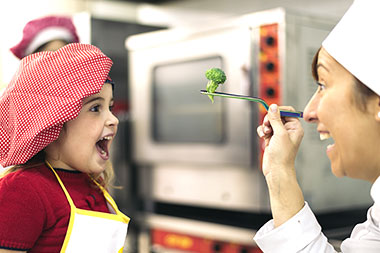

Stage 1
- Age range – Around 6 months
- Consistency – Smooth but with some lumps, plus soft finger food
- Food examples – Fruit, vegetables
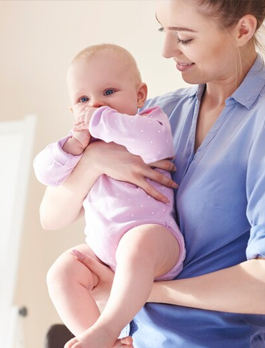

When to start weaning is a question faced by all mothers whether they are breastfeeding or bottle-feeding. To find the best baby weaning support for mothers is hard now a days as experienced Health Visitors in Dubai are rare. How does a new mum know when to introduce solid food into her baby’s diet and what sort of food can a baby eat?
Nightingale offers a well-structured program by our health visitor for “Weaning support for mothers” in Dubai.
The term weaning is derived from the Anglo-Saxon “wenian”, which means “to become accustomed to something different”. When your baby has stopped breast feeding and gets all of his nutrition from other sources than the breast milk, he / she is considered weaned. At present the World Health Organisation recommends that all babies be breastfed or formula fed exclusively for six months before introduction of solids.
In the past, many babies were fed solid foods at very young ages. It is now believed that their bodies were unable to cope with the demands this placed on them; a dramatic increase in the incidence of allergies and food intolerance meant guidelines were reviewed and altered.
Our experienced consultants are here to provide you with comprehensive weaning support, guiding you through every step of the weaning process. Schedule your appointment now!
Remember – “All babies are different”. If you need a consultation, we are here for you. Following are the signs of readiness for babies
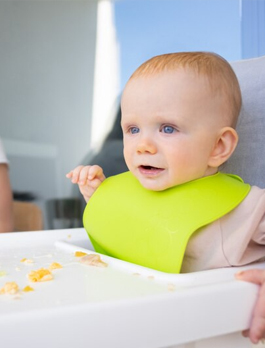
When your baby is six months old, and you are sure that he is ready for solid food (see above signs), try a teaspoonful of watery baby rice or baby porridge. Try to keep foods very bland and runny at the beginning. Introduce runny porridge initially but move quickly to more lightly blended food. Even without teeth babies of over 6 months can negotiate harder and more lumpy food.
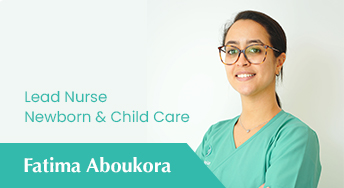
Lead nurse for newborn and child care, and the health visitor behind our weaning programme. She takes your baby’s feeding history at the first home visit and builds the weaning plan around it.
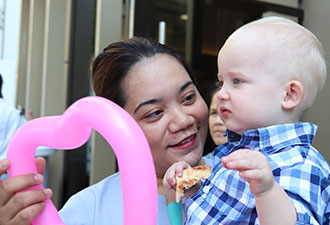
Expert care, right at your doorstep
Mashed or lightly blended soft cooked fruit and vegetables, parsnip, broccoli, potato, yam, sweet potato, carrot, apple or pear. Finger foods when you are ready for baby-lead weaning (letting them feed themselves from the start). There’s no more risk of choking when a baby feeds themselves than when they’re fed with a spoon.
Our health visitor can give you the complete list of foods you can try.
It is wise to only introduce one food at a time so that you can identify any intolerance or allergies. Sometimes these can take several days to take effect, so stick to one food for a few days before moving onto another.

Convenience of scheduling care that fits your needs, whether it’s full-time, or occasional support with round the clock availability.

Our caregivers are not only experienced but also compassionate, making sure your child feels loved and cared all the time.
Our experienced consultants are here to provide you with comprehensive weaning support, guiding you through every step of the weaning process.

UAE Clinic Address: 1801, Al Ameri Tower, Barsha Heights, Dubai, UAE
Corporate Office Address: 1006, Al Ameri Tower, Barsha Heights, Dubai,