
Because the need for care never stops, neither do we !

Categories
Elderly Care Palliative Care

Competency in palliative nursing

Palliative Care   

Palliative care is specialized medical care for people living with a serious illness. This type of care is focused on providing relief from the symptoms and stress of the illness. The goal is to improve quality of life for both the patient and the family.

Palliative care is provided by a specially-trained team of doctors, nurses and other specialists who work together with a patient’s other doctors to provide an extra layer of support. Palliative care is based on the needs of the patient, not on the Patient’s prognosis. It is appropriate at any age and at any stage in a serious illness, and it can be provided along with curative treatment.

Improves quality of life:

Palliative care teams focus on quality of life. They treat people suffering from the symptoms and stress of serious illnesses such as:

  • Cancer
  • Congestive heart failure ( CHF)
  • Chronic obstructive pulmonary disease (COPD)
  • Kidney disease
  • Alzheimer’s
  • Parkinson’s
  • Amyotrophic Lateral Sclerosis (ALS) and many more.

Relieves Suffering from Symptoms and Stress:

The goal of Palliative care is to relieve suffering and provide the best possible quality of life for patients and their families. Symptoms may include:

  • Pain
  • Depression
  • Shortness of breath
  • Fatigue
  • Constipation
  • Nausea
  • Loss of appetite
  • Difficulty of sleeping
  • And anxiety

Also Palliative care team will work with the patients to identify and carry out patient’s goals: symptom relief, counselling, spiritual comfort, or whatever enhances patient’s quality of life. Palliative care can also help patient to understand all of their treatment options.

As an experience Palliative care provider, we should obtain below given quality of services for patients:

Competency in palliative nursing

  • Communication skills. A highly developed range of sensitive and facilitative communication skills is to be expected in nursing, but is not unique to a palliative setting. …
  • Psycho-social skills
  • Teamwork skills
  • Physical care skills
  • Life closure skills
  • Interpersonal skills

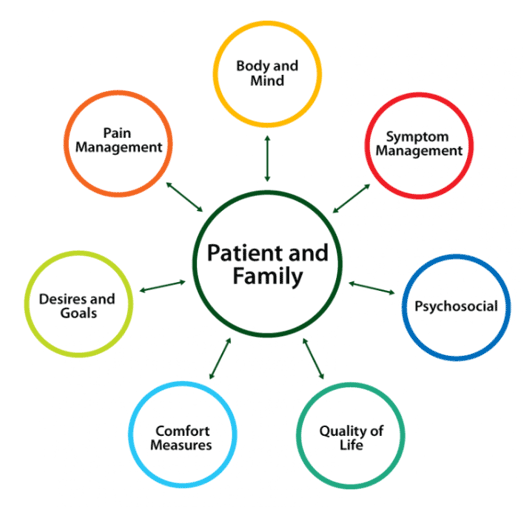
patient and family - pain management

What is the difference between Palliative Care and End-of-Life Care?

PALLIATIVE CARE END-OF-LIFE CARE
Living with a life-limiting illness with any prognosis Ongoing medical treatments as appropriate
Symptom management Hospice care / Home supports for Elderly
Maximizing quality of life Weeks to months to live
Spiritual healthcare Symptom management
Psychosocial support Spiritual healthcare
Maximizing community supports Psychosocial support

Principles of palliative care

  • Affirms life and regards dying as a normal process.
  • Neither hastens nor postpones death.
  • Provides relief from pain and other distressing symptoms.
  • Integrates the psychological and spiritual aspects of care.
  • Offers a support system to help patients live as actively as possible until death.

Categories
Baby Care Maternity Care Newborn Baby

Neonatal cause of SIDS & risk factor

WHAT ARE SIDS CAUSES & RISK FACTORS

Sudden Infant Death Syndrome (SIDS) or cot death is the unexpected death of healthy newborns or infants under 12 months of age, which remains unexplained despite extended investigations including necropsy, death scene examination and medical history study.

Now-a-days, Sudden Infant Death Syndrome is one of the main reasons of death among children less than one year old, especially those who are between 2 and 4 months. In most cases, death occurs quickly and during sleep time.

As for the causes lying behind SIDS, they are still unclear and uncertain. Yet, there are many risk factors increasing the exposure of some babies to SIDS, let’s have a look at the most important ones:

Brain abnormalities

Some babies are born with abnormalities, in a part of the brain that controls breathing and consciousness during sleep, and that’s what makes them more prone to SIDS than their peers.

It is to be noted that brain damages are caused by babies’ exposure to poisonous substances or lack of oxygen whilst in the womb.

Accidents after birth

Babies’ exposure to some accidents after birth, such as lack of oxygen, excessive carbon dioxide intake, overheating and infections, may negatively affect their breathing and lead to their sudden death. It is to be noted that some of these accidents may occur while babies are sleeping on their stomach.

Immunity disorders

An increase in the number of cells and proteins in babies’ bodies may lead to their sudden death, as some of these proteins can affect the brain and speed up the heartbeat and breathing rate during sleep. And the result: Eternal deep sleep!

Metabolic disorders

Some babies may die without showing prior signs, if they suffer from metabolic disorders that will prevent their bodies from processing fatty acids, the build-up of which could lead to sudden disruption in breathing.

In addition, there are other environmental factors to increase the likelihood of Sudden Infant Death Syndrome, such as:

  • Baby sleeping on the stomach
  • Baby sleeping on a soft mattress and a bed with loose cover
  • Baby co-sleeping with another child
  • Covering baby with many blankets
  • Mother smoking while pregnant
  • Exposing baby to cigarette smoke after birth
  • Premature birth or low weight birth

As you may have already noticed, some of the SIDS causes or risk factors are inevitable, while some others can be prevented, by not smoking during pregnancy, by not putting the baby on his/her stomach to sleep, not smoking around him/her and not overheating his/her room, etc. Caring for your newborn baby is very important.

img