

Categories
Doctor on Call

Doctor on Call vs Emergency Room in Dubai: How to Know Which One You Need

Doctor on Call in Dubai vs ER: Which Do You Need?

It’s 11 PM, someone in the house has a fever that won’t budge, or a nasty cut that might need stitches, and suddenly you’re facing a decision that needs to happen fast: head to the emergency room, or call a doctor to come to you? Making the right choice quickly matters, both for getting the right level of care and for avoiding unnecessary time in a crowded ER waiting room. This guide breaks down exactly how to tell the difference, so you can act confidently when it matters most.

The Core Difference: Severity Is Everything

The simplest way to think about this decision is severity. Emergency rooms are built for situations that are immediately life-threatening or require advanced equipment and specialists on-site. A doctor on call in Dubai is built for situations that are urgent and need prompt attention, but aren’t immediately dangerous to life or limb.

Getting this distinction right saves time, reduces stress, and ensures you’re getting the appropriate level of care for the situation.

When You Should Go to the Emergency Room

Certain symptoms should never wait for a home visit. Go to the ER immediately, or call emergency services, if you or someone with you experiences:

  • Chest pain, pressure, or tightness, especially with shortness of breath
  • Difficulty breathing or choking
  • Signs of a stroke (sudden numbness, facial drooping, slurred speech, confusion)
  • Severe, uncontrolled bleeding
  • Loss of consciousness or a seizure
  • A serious head injury, especially with confusion or vomiting afterward
  • Severe allergic reactions with swelling of the face, lips, or throat, or difficulty breathing
  • Suspected broken bones with visible deformity, or a compound fracture
  • Severe abdominal pain that comes on suddenly and intensely
  • Signs of a serious infection, such as high fever with confusion or extreme lethargy
  • Any situation where you genuinely feel something could be life-threatening

If there’s any doubt in these kinds of situations, always err on the side of the emergency room. It’s always better to be cautious than to delay care for something that could be serious.

When a Doctor on Call Is the Better Choice

A doctor on call service is ideal for situations that need prompt medical attention but don’t require emergency-level intervention, such as:

  • Fever that’s uncomfortable but not accompanied by more serious symptoms
  • Common colds, flu, or general viral illness
  • Minor cuts or wounds that may need cleaning or simple treatment, but aren’t severely bleeding
  • Ear infections or throat infections
  • Mild to moderate allergic reactions without breathing difficulty
  • Stomach upset, mild dehydration, or general digestive discomfort
  • Skin rashes or irritations
  • Follow-up care after a recent illness or minor procedure
  • General check-ups when regular clinic hours aren’t convenient
  • Situations where mobility, travel, or timing make a clinic or hospital visit genuinely difficult

For all of these, calling a doctor to come to you often means faster attention than sitting in an ER waiting room for a non-emergency issue, and receiving care in the comfort of your own home.

Why Choosing the Right Option Actually Matters

  • Time: ER visits for non-emergency issues often mean long wait times, since emergency departments prioritize the most severe cases first. A doctor on call, by contrast, can typically reach you within a set window, without competing against genuine emergencies for attention.
  • Comfort: Being examined and treated at home, particularly for children, elderly patients, or anyone feeling generally unwell, is often significantly less stressful than a hospital environment.
  • Appropriate Resource Use: Emergency rooms are a limited, critical resource meant for genuinely urgent situations. Choosing a doctor on call for non-emergency needs helps ensure ER capacity remains available for those who truly need it.
  • Cost Considerations: Emergency room visits are often significantly more costly than a scheduled or on-call doctor visit, particularly for conditions that don’t actually require hospital-level care or equipment.

A Simple Way to Decide

When you’re unsure, ask yourself these questions:

  1. Is this immediately life-threatening? If yes, go to the ER or call emergency services without hesitation.
  2. Does this require specialized equipment or hospital-level intervention? (Imaging, surgery, IV emergency treatment) If yes, the ER is likely necessary.
  3. Is this uncomfortable and concerning, but stable? If the situation isn’t rapidly worsening and doesn’t involve the red-flag symptoms listed earlier, a doctor on call is often the more appropriate and efficient choice.
  4. Am I unsure? When genuinely uncertain, it’s always safer to seek emergency care or call a service that can help you triage the situation over the phone.

What Happens When You Call a Doctor on Call Service

Understanding the process can make the decision feel less daunting:

  1. Initial call: You describe the symptoms and situation to the service.
  2. Triage: Many doctor on call services in Dubai will ask a series of questions to assess urgency and determine whether an ER visit is actually more appropriate.
  3. Dispatch: If a home visit is appropriate, a doctor is sent to your location, often within a set timeframe.
  4. Examination and treatment: The doctor examines the patient, provides treatment or medication as needed, and advises on next steps.
  5. Follow-up guidance: You’ll typically receive clear instructions on monitoring symptoms and when to seek further care if things don’t improve.

A good doctor on call 24/7 service should always be willing to advise an ER visit if, upon further discussion, the situation sounds more serious than initially described.

Frequently Asked Questions

Can a doctor on call handle emergencies too? 

No. Doctor on call services are designed for urgent, non-life-threatening situations. Genuine emergencies should always go directly to the emergency room or involve emergency services.

How quickly can a doctor on call reach me in Dubai? 

Response times vary by provider, location, and time of day, but many services aim to reach patients within a defined window, often faster than a typical ER wait for non-emergency cases.

Is it safe to wait for a doctor on call instead of going to the ER if I’m unsure? 

If there’s any uncertainty about whether a symptom is serious, it’s always safer to seek emergency care or call a service that can help assess urgency over the phone, rather than assuming it’s minor.

Do doctor on call services treat children as well as adults? 

Many services do treat patients of all ages, though it’s worth confirming this directly with the specific provider you’re contacting.

What if the doctor on call determines my situation needs the ER? 

A responsible doctor on call service will advise transferring to the ER immediately if the examination reveals something more serious than initially expected.

Get the Right Care, Right When You Need It – Nightingale Health Services

Knowing the difference between an emergency and an urgent-but-manageable situation can make all the difference in getting the right care quickly. Nightingale Health Services offers reliable doctor on call support in Dubai, available to assess your situation and provide prompt, professional care right at home.

Need medical attention now? Contact us to learn more about our services and how to reach us.
Categories
Baby Massage

Is an Infant Spa Safe? Benefits of Baby Spa Sessions for Healthy Growth and Relaxation

Spa for Infants: Is It Safe? Benefits Explained

The idea of a “spa” for a baby can sound surprising at first – even a little indulgent. But spa for infants sessions, when done properly, are grounded in genuine developmental and wellness benefits, not luxury for its own sake. Many Dubai parents are discovering that these sessions, which typically combine gentle hydrotherapy, movement, and touch, can support healthy growth, better sleep, and real bonding time. The real question most parents have isn’t whether it sounds nice – it’s whether it’s actually safe.

This guide answers that question directly, and walks through what a proper infant spa session involves, who it’s suitable for, and what to check before booking one.

What Exactly Is an Infant Spa Session?

Unlike an adult spa, an infant spa isn’t about pampering in the traditional sense. It typically combines a few gentle, developmentally appropriate elements:

  • Warm water therapy: Babies are supported in a specially designed tub, often using a soft, secure float or ring designed specifically for infant safety.
  • Gentle movement: Guided, supported movement in the water can mimic sensations similar to the womb, which many babies find calming.
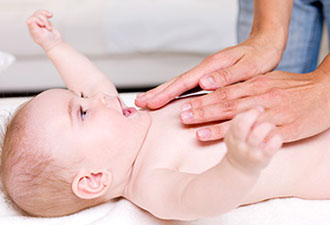
  • Baby massage: Sessions are frequently paired with newborn baby massage, using gentle strokes designed specifically for an infant’s delicate body.
  • A calm, controlled environment: Proper facilities maintain careful temperature control, hygiene standards, and constant supervision throughout.

The combination is designed around what’s developmentally appropriate and safe for an infant’s body, not adapted adult spa treatments.

Is It Actually Safe?

This is the most important question, and the honest answer is: yes, when done correctly, by trained professionals, in a properly equipped facility – but safety depends entirely on how the session is conducted.

What Makes a Session Safe

  • Trained staff: Professionals should have specific training in infant handling, water safety, and recognizing signs of distress.
  • Appropriate water temperature: Water should be kept within a safe, comfortable range for an infant’s more sensitive body temperature regulation.
  • Proper equipment: Specially designed infant tubs and support devices, not adapted adult equipment, are essential.
  • Constant supervision: A baby should never be left unsupervised in water, even briefly, regardless of any supportive equipment being used.
  • Health screening beforehand: A good provider will ask about the baby’s age, health status, and any relevant medical history before starting a session.
  • Clean, hygienic facilities: Proper sanitation of equipment and water is essential to avoid infection risk.

What to Be Cautious About

  • Facilities without visibly trained, attentive staff
  • Water that seems too warm, too cold, or improperly maintained
  • Equipment that looks generic or not specifically designed for infants
  • Providers who don’t ask about your baby’s health history or age before beginning
  • Any pressure to book a session despite your baby showing clear signs of distress

If something feels off, trust that instinct. A reputable provider will always prioritize safety and comfort over completing a session.

Age Guidelines for Infant Spa Sessions

Most reputable providers recommend waiting until the umbilical cord area has fully healed and a pediatrician has confirmed the baby is healthy and developmentally ready, which is often somewhere in the first couple of months, though this varies by individual baby. Always check with your pediatrician first, particularly for babies born prematurely or with any specific health considerations.

Benefits of Infant Spa Sessions

  • Supports Healthy Sleep: The combination of warm water, gentle movement, and massage can help activate a baby’s natural relaxation response, often supporting more settled sleep afterward.
  • Encourages Motor Development: Gentle movement in water encourages muscle engagement and body awareness in a low-impact, supported environment, which may complement natural developmental milestones.
  • Eases Digestive Discomfort: When paired with baby massage Dubai techniques, particularly gentle tummy work, sessions may help ease gas and digestive discomfort common in young infants.
  • Strengthens Parent-Baby Bonding: Being present during a session, especially one that incorporates massage and skin-to-skin elements, offers meaningful bonding time between parent and baby.
  • Promotes Relaxation and Reduced Fussiness: The calming, sensory nature of warm water combined with gentle touch often helps soothe fussy or overstimulated babies.
  • Builds Comfort with Water Early: Positive, gentle exposure to water in a controlled setting may help build comfort and confidence around water from an early age.

What a Typical Session Looks Like

  1. Health check-in: Staff will typically ask about your baby’s age, health status, and any concerns before beginning.
  2. Gentle introduction: Your baby is slowly introduced to the water, often supported by specialized equipment, allowing time to adjust comfortably.
  3. Guided movement: Trained staff gently guide the baby through calm, supported movements in the water.
  4. Massage component: Many sessions conclude with gentle massage, continuing the calming, bonding experience.
  5. Monitoring throughout: Staff should continuously watch for the baby’s comfort level, adjusting or stopping immediately if any signs of distress appear.
  6. Post-session care: Babies are typically dried, dressed warmly, and often settle into a calm, restful state shortly afterward.

Questions to Ask Before Booking

  • What specific training do your staff have in infant care and water safety?
  • How do you maintain water temperature and hygiene standards?
  • What is your policy if my baby shows signs of discomfort during a session?
  • What age and health requirements do you have before accepting a booking?
  • Can a parent stay present throughout the entire session?

A confident, transparent provider should answer these questions clearly and without hesitation.

Frequently Asked Questions

At what age can my baby start infant spa sessions? 

Most providers recommend waiting until the umbilical area has healed and a pediatrician confirms readiness, often around the first couple of months, though this varies by baby.

Is warm water safe for a newborn’s sensitive skin? 

Yes, when temperature is properly controlled and monitored, warm water is generally safe. Reputable providers maintain careful temperature standards specifically suited for infants.

Should a parent stay in the room during a session? 

Yes, and most reputable providers welcome, and often require, parental presence throughout an infant spa session.

Can infant spa sessions replace regular baby massage at home? 

Not necessarily, but they can complement a broader routine. Many parents combine occasional spa sessions with regular baby massage at home for ongoing benefits.

What should I do if my baby seems distressed during a session? 

A trained provider will stop or pause the session immediately if a baby shows signs of distress. Parents should never hesitate to speak up if something doesn’t feel right.

Experience It Safely with Nightingale Health Services

A proper spa for infants experience should feel calming, safe, and genuinely beneficial, never rushed or uncertain. Nightingale Health Services offers professionally guided newborn massage and infant wellness sessions in Dubai, combining gentle technique with careful, trained supervision at every step.

Ready to give your baby a safe, soothing experience? Contact us to learn more and book a session today.

img