
Categories
Vitamin D / vitamin b12 Test

Feeling Tired All the Time? Get Your Vitamin B12 Levels Tested at Home

Vitamin B12 Test: Get Tested at Home for Fatigue  

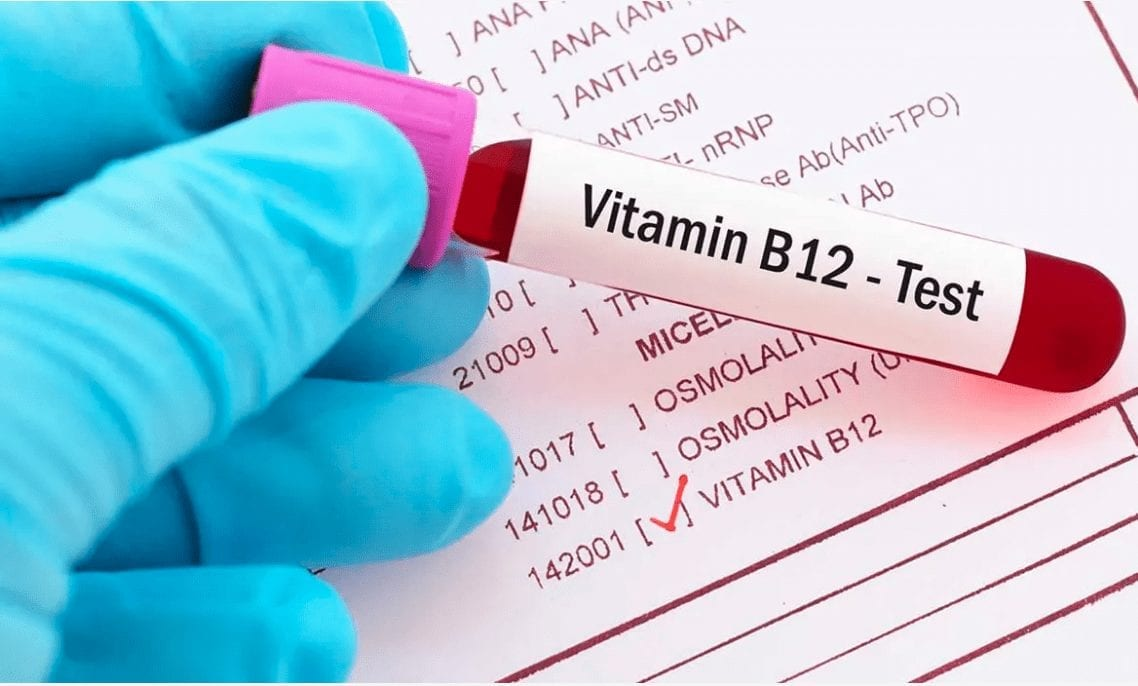
You’re sleeping enough, eating reasonably well, and still, that heavy, persistent tiredness just won’t lift. It’s one of the most frustrating experiences in health – knowing something feels off, but not having an obvious explanation. A vitamin b12 test is one of the simplest, most overlooked ways to check whether a specific, fixable nutrient deficiency might be behind that exhaustion.

Why B12 Deficiency Gets Missed So Often

Vitamin B12 plays a critical role in energy production, red blood cell formation, and nerve function, which means a deficiency can affect how you feel in ways that are easy to misattribute to stress, poor sleep, or just “being busy.” Because the symptoms build gradually and overlap with so many other common complaints, many people live with a B12 deficiency for months, or even longer, without ever suspecting it as the actual cause.

Signs Your Fatigue Might Be B12-Related

While fatigue alone doesn’t confirm a B12 deficiency, certain accompanying signs make it worth investigating specifically:

  • Persistent, unexplained tiredness that doesn’t improve with adequate sleep
  • Tingling or numbness in the hands or feet
  • Difficulty concentrating or a noticeable mental fog
  • Pale or slightly yellowish skin
  • Shortness of breath during normal, everyday activity
  • Mood changes, including irritability or low mood
  • Mouth or tongue soreness, sometimes with a smooth or swollen appearance
  • Balance issues, particularly in more advanced or prolonged deficiency

If several of these sound familiar, testing is a straightforward, practical next step rather than continuing to guess at the cause.

Who Is Most at Risk of B12 Deficiency?

Certain groups are more commonly affected, which is worth being aware of:

  • People Following Plant-Based Diets: Since B12 is found almost exclusively in animal products, vegetarians and particularly vegans are at meaningfully higher risk of deficiency unless actively supplementing.
  • Older Adults: As the body ages, absorption of B12 from food can become less efficient, making older adults more prone to deficiency even with adequate dietary intake.
  • People with Certain Digestive Conditions: Conditions affecting the stomach or intestines, including some autoimmune conditions, can interfere with B12 absorption regardless of dietary intake.
  • Those Taking Certain Medications: Some commonly used medications can interfere with B12 absorption over time, making periodic testing worthwhile for people on long-term prescriptions known to affect this.
  • Pregnant and Breastfeeding Women: Increased nutritional demands during pregnancy and breastfeeding can increase the risk of deficiency if intake isn’t adequately maintained.

What Does a Vitamin B12 Test Actually Involve?

Testing for B12 typically involves a simple blood sample, measuring the level of B12 circulating in your bloodstream. The process is quick and straightforward:

  1. A small blood sample is collected, either via a traditional blood draw or, in some at-home testing options, a simple finger-prick method.
  2. The sample is sent to a certified laboratory for analysis.
  3. Results indicate whether your B12 level falls within a normal range, is borderline low, or shows a clear deficiency.
  4. A doctor reviews the results with you and discusses next steps if levels are found to be low.

Testing at Home vs at a Clinic

For many people, especially those managing a busy schedule while already feeling fatigued, an at-home test offers a genuinely convenient alternative to fitting in a clinic visit:

  • A test kit is delivered to your home or office
  • A simple sample is collected, following included instructions
  • The sample is couriered to a certified lab
  • Results are typically shared digitally within a few days

This option removes the added effort of a clinic visit at a time when you may already be feeling low on energy, making it easier to actually follow through on getting tested rather than continuing to put it off.

What Happens If You’re Deficient?

A confirmed B12 deficiency is generally very manageable. Depending on severity, treatment might include:

  • Oral B12 supplements, taken daily to gradually restore levels
  • B12 injections, often recommended for more significant deficiencies since they bypass potential absorption issues entirely
  • Dietary adjustments, particularly for those with limited intake of B12-rich foods
  • Addressing an underlying cause, if a specific digestive condition or medication is contributing to the deficiency

Many people notice a genuine improvement in energy and overall wellbeing once appropriate treatment begins, often within a matter of weeks.

Should I Test for Vitamin D Too?

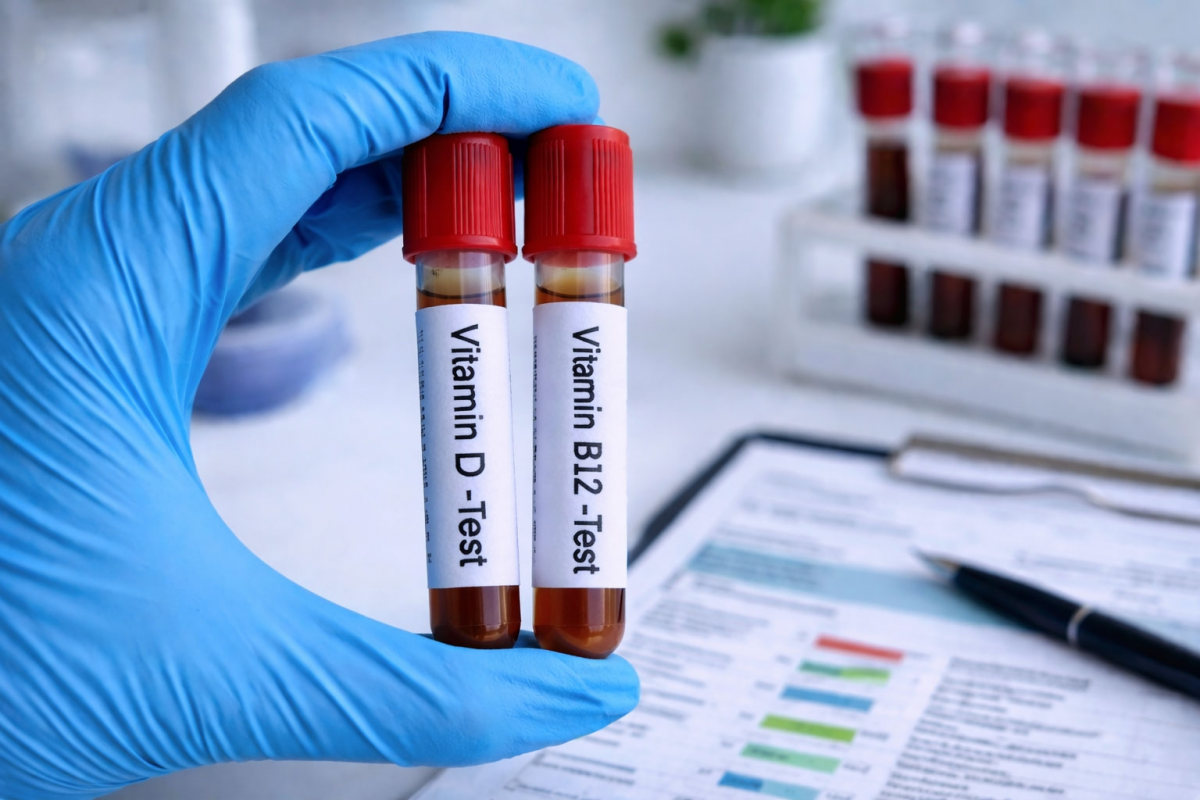
Given that Dubai’s indoor-heavy lifestyle also commonly leads to lower vitamin D levels, many people experiencing fatigue benefit from checking both simultaneously. A vitamin d test in Dubai alongside your B12 test can provide a fuller picture, since both deficiencies can independently contribute to similar symptoms, and it’s not uncommon for someone to have low levels of both at once. Many clinics and at-home kits offer combined testing, allowing both results from a single sample or visit.

Why Fatigue Deserves a Proper Look, Not Just “Powering Through”

It’s easy to normalize constant tiredness as simply part of a busy lifestyle, but persistent, unexplained fatigue is genuinely worth investigating rather than assuming it’s just something to push through. A simple blood test can rule in or rule out a common, fixable cause, potentially saving months of unnecessary exhaustion.

Frequently Asked Questions

How do I know if my fatigue is due to B12 deficiency or something else? 

Testing is the most reliable way to know for certain. While symptoms can offer a helpful clue, a blood test provides a definitive answer rather than relying on guesswork.

Can B12 deficiency cause symptoms beyond fatigue? 

Yes, including tingling in the hands and feet, difficulty concentrating, mood changes, and in more advanced cases, balance issues, which is why persistent fatigue alongside these signs is particularly worth investigating.

Is an at-home B12 test as accurate as a clinic test? 

Yes, when collected properly and processed by a certified laboratory, at-home tests provide reliable results comparable to clinic-based testing.

How long does it take to feel better after starting B12 treatment? 

Many people notice improvement within a few weeks of starting appropriate treatment, though this can vary depending on the severity of the initial deficiency.

Should vegetarians and vegans get tested regularly, even without symptoms? 

Given the meaningfully higher risk of B12 deficiency on a plant-based diet, periodic testing is often a sensible precaution, even in the absence of noticeable symptoms.

Get to the Bottom of Your Fatigue – Nightingale Health Services

Persistent tiredness deserves real answers, not just another cup of coffee. Nightingale Health Services offers convenient vitamin b12 test options in Dubai, including at-home collection, along with combined vitamin d test Dubai testing for a fuller picture of what’s behind your fatigue.

Ready to find out what’s really going on? Contact us to learn more and book your test today.
Categories
Vitamin D / vitamin b12 Test

Sunny City, Deficient Residents: Why Vitamin D Deficiency Is Still Common in Dubai

Vitamin D Test in Dubai: Why Deficiency Is Still Common

Dubai gets an average of over 3,500 hours of sunshine a year. On paper, that should make vitamin D deficiency almost impossible here. Yet clinics across the city consistently report low vitamin D levels in a large share of residents, sun or no sun.

It’s one of the more counterintuitive health patterns in the region, and it catches a lot of people off guard. If you’ve felt persistently tired, achy, or low in mood despite living somewhere this bright, a vitamin D test in Dubai is often the simplest way to find out what’s actually going on. Let’s look at why this happens and what the data behind it really shows.

Why Vitamin D Deficiency Persists in a Sun-Rich City

What causes this paradox? Sunlight alone doesn’t guarantee vitamin D synthesis – it depends on skin exposure, timing, and how much time people actually spend outdoors, and Dubai’s lifestyle works against all three.

1. Indoor-Centric Daily Life

Most residents move between air-conditioned homes, cars, offices, and malls, with minimal direct sun exposure during the parts of the day when UVB rays are strongest for vitamin D synthesis.

2. Sun Avoidance During Peak Hours

Given Dubai’s intense midday heat, most outdoor activity happens early morning or evening – exactly when UVB levels are too low to trigger meaningful vitamin D production in the skin.

3. Clothing and Sun Protection Habits

Modest dress, cultural clothing norms, and consistent sunscreen use – all sensible for heat and skin protection – also significantly reduce the skin surface area exposed to UVB rays.

4. Skin Pigmentation

Individuals with darker skin tones require considerably longer sun exposure to produce the same amount of vitamin D as someone with lighter skin, due to higher melanin content acting as a natural UV filter. Given Dubai’s highly diverse population, this contributes meaningfully to city-wide deficiency patterns.

5. Air Quality and Haze

Dust and pollution common in the region can scatter and reduce UVB penetration, slightly lowering the effective sun exposure even for people who are outdoors.

What Is Vitamin D and Why Does the Body Need It?

Vitamin D is a fat-soluble vitamin that supports calcium absorption, bone health, immune function, and muscle performance. Unlike most vitamins, the body can produce it through skin exposure to UVB sunlight, which is why it’s often called the “sunshine vitamin.”

When levels drop too low, the body struggles to absorb calcium efficiently, which over time can affect bone density and overall energy regulation.

Common Symptoms of Vitamin D Deficiency

Symptoms are often vague, which is part of why deficiency goes unnoticed for so long:

  • Persistent fatigue or low energy despite adequate sleep
  • Bone or joint aches, particularly in the lower back and legs
  • Muscle weakness
  • Low mood or difficulty concentrating
  • Frequent minor illnesses, linked to reduced immune support
  • Hair thinning in more pronounced cases

Why does this matter? Because these symptoms overlap with so many other common conditions – stress, poor sleep, iron deficiency – a blood test is really the only reliable way to confirm whether vitamin D is actually the cause.

How Does a Vitamin D Test Work?

A vitamin D test measures 25-hydroxyvitamin D levels in the blood, which is the most accurate marker of the body’s actual vitamin D status.

The process is straightforward: a blood sample is drawn, either at a clinic or through an at-home vitamin D test kit, and lab results typically classify levels as deficient, insufficient, or sufficient based on standard reference ranges.

When should someone get tested? It’s worth testing if you’re experiencing unexplained fatigue, bone or muscle pain, or simply haven’t had your levels checked in over a year, especially if your lifestyle involves limited direct sun exposure.

Vitamin D Test vs. Vitamin B12 Test: Why Both Matter

Vitamin D and vitamin B12 deficiencies often produce overlapping symptoms – fatigue, low mood, and muscle weakness – which makes it easy to confuse one for the other without proper testing.

Since both deficiencies are common in Dubai and share overlapping symptoms, testing for vitamin D and vitamin B12 together often gives a clearer picture than testing for either one alone.

Who Should Consider Testing?

  • Residents who spend most daylight hours indoors or in air-conditioned spaces
  • Individuals who consistently cover most of their skin outdoors or use high-SPF sunscreen daily
  • People with darker skin tones, given the longer sun exposure required for adequate synthesis
  • Anyone experiencing persistent fatigue, bone pain, or low mood without a clear explanation
  • Vegetarians and vegans, particularly for B12 levels alongside vitamin D
  • Older adults, whose skin naturally becomes less efficient at synthesizing vitamin D with age

Best Practices After Testing

  1. Don’t self-prescribe high-dose supplements before testing. Over-supplementing vitamin D without knowing your baseline can lead to excessive levels, which carries its own health risks.
  2. Retest after a few months of correction, rather than assuming supplementation alone has resolved the deficiency.
  3. Pair supplementation with sensible sun exposure, such as brief periods of morning sunlight, alongside any recommended dosage.
  4. Discuss results with a doctor, especially if levels are significantly low, since underlying absorption issues can sometimes be a contributing factor.
  5. Test B12 alongside vitamin D if you’re experiencing fatigue-related symptoms, given how closely the two deficiencies can present.

Common Mistakes People Make

  • Assuming living in a sunny city rules out deficiency, when lifestyle factors matter more than climate alone
  • Taking vitamin D supplements without testing first, making it impossible to track whether levels are actually improving
  • Ignoring persistent fatigue as “just being busy”, when a simple blood test could identify a clear, correctable cause
  • Testing only vitamin D and overlooking B12, despite how often the two deficiencies occur together with similar symptoms
  • Skipping retesting, leaving no way to confirm whether supplementation dosage is actually adequate

Frequently Asked Questions

  1. Why is vitamin D deficiency common in Dubai despite so much sunshine?

Because most residents spend the majority of daylight hours indoors or in air-conditioned environments, avoid peak sun hours due to heat, and often wear sun-protective clothing or sunscreen – all of which significantly reduce actual UVB skin exposure needed for vitamin D synthesis.

  1. How is a vitamin D test done?

A vitamin D test measures 25-hydroxyvitamin D levels through a blood sample, either drawn at a clinic or collected using an at-home test kit, with results classified as deficient, insufficient, or sufficient.

  1. What are the symptoms of low vitamin D?

Common symptoms include persistent fatigue, bone or joint pain, muscle weakness, low mood, and increased susceptibility to minor illnesses, though many people experience no obvious symptoms at all.

  1. Can I do a vitamin D test at home in Dubai?

Yes, at-home vitamin D test kits are available, allowing you to collect a sample without visiting a clinic in person, with results processed through a lab and shared digitally.

  1. Should I get a vitamin B12 test along with a vitamin D test?

It’s often worthwhile, since B12 and vitamin D deficiencies share overlapping symptoms like fatigue and low mood, and testing both together gives a clearer picture of what’s actually causing your symptoms.

  1. How often should vitamin D levels be tested?

For most people, annual testing is reasonable, though those who have previously been deficient or are undergoing supplementation may benefit from retesting every three to six months to track progress.

  1. Can vitamin D deficiency be corrected through diet alone?

Diet contributes, particularly through fortified foods and fatty fish, but most people with confirmed deficiency need supplementation alongside sensible sun exposure to restore levels effectively.

  1. Is it possible to have too much vitamin D?

Yes, excessive supplementation without testing can lead to elevated levels, which is why checking your baseline first and following guided dosage is safer than supplementing blindly.

Conclusion

Dubai’s sunshine doesn’t automatically translate into healthy vitamin D levels, and for most residents, the daily rhythm of indoor living, sun avoidance during peak hours, and consistent sun protection outweighs the benefit of living somewhere this bright. The result is a pattern of deficiency that’s easy to miss because the symptoms are so easy to attribute to something else.

A simple blood test remains the most reliable way to know where you actually stand, rather than guessing based on how much time you assume you spend outdoors.

If persistent fatigue, low mood, or unexplained aches have been part of your routine, it may be worth checking your levels rather than living with the guesswork. Nightingale Health Services in Dubai offers a convenient vitamin D and vitamin B12 test, including at-home options, so you can get clear answers without disrupting your day.

Categories
Vitamin D / vitamin b12 Test

Vitamin D and B12 Deficiency in Dubai: Signs, Testing, and At-Home Options

Vitamin D Test in Dubai: Signs, Testing & At-Home

It sounds almost impossible – living in one of the sunniest cities in the world, yet still being deficient in vitamin D. But it happens more often than people expect. Between long hours in air-conditioned offices, sunscreen use, and a lifestyle that often keeps people indoors during peak daylight, a vitamin d test in Dubai frequently reveals lower levels than residents assume they’d have.

Vitamin B12 deficiency tells a similar story – it’s common, often overlooked, and easy to mistake for ordinary tiredness. This guide covers the signs of both deficiencies, why they happen even in a sun-soaked city like Dubai, and how testing (including at-home options) can help you get real answers.

The Dubai Sunshine Paradox

It seems logical to assume that living somewhere with year-round sun would mean plenty of vitamin D. In reality, several everyday habits work against it:

  • Indoor lifestyles: Many people in Dubai spend the bulk of their day in offices, malls, and homes with air conditioning, with limited direct sun exposure.
  • Sun protection habits: Sunscreen, clothing coverage, and simply avoiding the heat all reduce the skin’s ability to naturally produce vitamin D.
  • Extreme heat during peak hours: The very sun that could boost vitamin D levels is often avoided altogether during the hottest parts of the day.

The result is a population that, despite living somewhere famously sunny, still commonly shows deficiency on lab testing.

Signs of Vitamin D Deficiency

Vitamin D deficiency often develops gradually, which is part of why it’s so easy to miss. Common signs include:

  • Persistent fatigue or low energy, even after adequate sleep
  • Bone or joint aches, particularly in the back and lower body
  • Muscle weakness or cramps
  • Low mood or a general sense of feeling “off”
  • Frequent colds or infections, linked to reduced immune support
  • Slow recovery from minor illnesses or injuries

Because these symptoms overlap with so many other conditions, many people live with a deficiency for a long time without ever suspecting vitamin D is the cause.

Signs of Vitamin B12 Deficiency

Vitamin B12 plays a critical role in nerve function, red blood cell production, and energy metabolism. When levels drop, the symptoms can look surprisingly similar to vitamin D deficiency, but with a few distinct markers of their own:

  • Ongoing fatigue and low stamina
  • Tingling or numbness in the hands and feet
  • Difficulty concentrating or noticeable brain fog
  • Pale or yellowish skin
  • Mood changes, including irritability or low mood
  • Shortness of breath during normal activity
  • In more advanced cases, balance issues or memory difficulties

B12 deficiency is particularly common among people following plant-based diets, since B12 is found almost exclusively in animal products, as well as in older adults, whose bodies may absorb the vitamin less efficiently over time.

Why These Two Deficiencies Often Get Confused

Fatigue is the symptom both deficiencies share, which means many people who feel constantly tired assume it’s simply stress, poor sleep, or overwork – without realizing a nutrient deficiency could be the root cause. This is exactly why testing both vitamin D and B12 together is often recommended rather than guessing which one might be responsible.

How Vitamin D and B12 Testing Works

A vitamin d test Dubai clinics offer typically involves a simple blood draw, measuring the level of vitamin D circulating in your bloodstream. A vitamin b12 test works the same way, measuring B12 levels from the same or a separate blood sample.

The process is usually quick:

  1. A small blood sample is taken, either at a clinic or by a visiting nurse.
  2. The sample is sent to a certified lab for analysis.
  3. Results typically identify whether your levels fall within a normal range, are borderline low, or indicate a clear deficiency.
  4. A doctor reviews the results with you and recommends next steps, which may include supplementation, dietary changes, or further testing if needed.

Vitamin D Test at Home and B12 Test at Home

For those who’d rather skip the clinic visit altogether, a vitamin d test at home or vitamin b12 test at home offers a convenient alternative. Here’s how it typically works:

  1. A test kit is delivered discreetly to your home or office.
  2. You provide a small sample, usually via a simple finger-prick, following the included instructions.
  3. The sample is couriered to a certified lab for processing.
  4. Results are shared digitally, often within a few days.

This option is especially popular among busy professionals who want a clear picture of their nutrient levels without carving out time for an appointment. If results come back showing a significant deficiency, a follow-up consultation with a doctor is still recommended to discuss the right treatment plan.

What Happens If You’re Deficient?

A confirmed deficiency doesn’t mean anything drastic – it simply means your body needs some support to get back to healthy levels. Depending on the severity, a doctor might recommend:

  • Oral supplements, taken daily or weekly depending on the deficiency level
  • Vitamin injections, often used for more significant B12 deficiencies since they bypass digestion
  • IV vitamin therapy, which some people choose for faster replenishment alongside hydration
  • Dietary adjustments, such as increasing intake of vitamin D– or B12-rich foods
  • Safe sun exposure guidance, particularly for vitamin D, balanced against skin health considerations

Follow-up testing after a few months is often recommended to confirm that levels have improved.

Frequently Asked Questions

How do I know if I need a vitamin D or B12 test? 

If you’re experiencing ongoing fatigue, low mood, muscle aches, or tingling in your hands and feet, testing can help identify whether a deficiency is the underlying cause.

Can I test for both vitamin D and B12 at the same time? 

Yes. Many clinics and at-home kits allow both tests to be done from a single blood draw or sample, giving you a fuller picture in one visit.

Is an at-home vitamin D or B12 test as accurate as a clinic test? 

When collected correctly and processed by a certified lab, at-home tests can provide reliable results. However, a clinic visit may be preferable if you have more complex symptoms or need a broader panel of tests.

How often should I check my vitamin D and B12 levels? 

This depends on your individual risk factors and any previous deficiency history. A doctor can recommend a testing frequency suited to your lifestyle and health needs.

Can I be deficient in vitamin D even if I get regular sun exposure? 

Yes. Factors like sunscreen use, clothing coverage, skin tone, and the time of day you’re exposed to the sun can all affect how much vitamin D your body actually produces.

Check Your Levels with Nightingale Health Services

Constant fatigue, low mood, or unexplained aches don’t have to be something you just live with. Nightingale Health Services offers reliable vitamin d test in Dubai and B12 testing options, including the convenience of at-home collection, so you can find out exactly what your body needs.

Ready to check your levels? Contact us to learn more and book your test today.
img