

Categories
Baby Massage

Inside a Baby Spa Session: What Actually Happens Step by Step

Inside a Spa for Infants: A Step-by-Step Walkthrough

Booking a session at a spa for infants for the first time often comes with a mix of curiosity and a few nerves – what actually happens once you walk in? Will my baby be comfortable? What if they cry? Knowing exactly what to expect, step by step, can turn that uncertainty into confidence. Here’s a full walkthrough of a typical session, from the moment you arrive to the calm, sleepy aftermath.

Before You Arrive: What to Prepare

A little preparation goes a long way toward a smooth session. Most providers will ask you to:

  • Bring a spare change of clothes and a few extra diapers
  • Avoid scheduling the session immediately after a full feed, since a slightly hungry (but not overly fussy) baby often tolerates the experience better
  • Note down any specific concerns, sensitivities, or preferences to share with staff beforehand
  • Time the visit around your baby’s natural rhythm, avoiding overtired or overstimulated windows if possible

Arriving a little early also gives your baby time to settle into the new environment before the session begins.

Step 1: Check-In and Health Screening

Every proper session should begin with a brief conversation between you and the staff member. Expect questions about:

  • Your baby’s age and any relevant medical history
  • Whether the umbilical area (for very young infants) has fully healed
  • Any recent illness, vaccinations, or skin sensitivities
  • Your baby’s current mood and general comfort level that day

This step matters – a responsible provider will always confirm your baby is a good candidate for the session before proceeding, and may reschedule if your baby seems unwell or unusually unsettled.

Step 2: Settling Into the Space

You’ll typically be brought into a calm, quiet room designed specifically for infants – warm, softly lit, and free of the noise and bustle you might expect from an adult spa. Staff will explain what’s about to happen, giving you the chance to ask any questions before beginning.

Your baby is undressed down to a diaper (or fully, depending on the specific session type) in a warm environment to prevent any discomfort from temperature changes.

Step 3: Gentle Warm-Up Massage

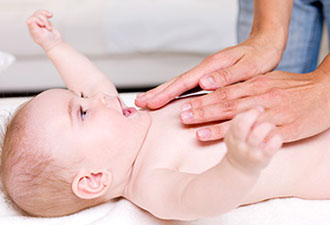
Most sessions begin with a brief massage before any water introduction. This serves two purposes: it helps your baby relax and adjust to touch, and it allows staff to gauge your baby’s mood before moving to the water portion of the session.

Gentle strokes are typically applied to the legs, arms, and back, using a pediatrician-approved, unscented oil suited for delicate newborn skin.

Step 4: Water Introduction

This is often the part parents are most curious, or nervous, about. Here’s what typically happens:

  • Your baby is gently and securely supported using specialized infant flotation equipment designed specifically for this purpose, never adapted adult gear.
  • Water temperature is carefully checked and maintained at a level appropriate for an infant’s more sensitive body temperature regulation.
  • Your baby is slowly, gradually introduced to the water, allowing time to adjust rather than being placed in all at once.
  • A trained staff member remains in constant, close contact throughout, watching closely for comfort or any signs of distress.

Many babies respond to this stage with visible calm, sometimes even mimicking gentle kicking or movement reminiscent of the womb environment. Others need a little more time to adjust, which is completely normal and expected.

Step 5: Guided Movement in Water

Once settled, staff typically guide the baby through slow, gentle movements in the water – supported floating, light kicking encouragement, and calm repositioning. This part of the session is entirely paced to your baby’s comfort level, never rushed or forced.

Throughout this stage, staff continuously check in verbally and visually, adjusting the pace or ending the water portion early if your baby shows any signs of wanting to stop.

Step 6: Drying and Warming

Once the water portion concludes, your baby is quickly and gently dried with a soft towel and moved to a warm area to prevent any chill. This transition is usually quick and calm, often continuing the soothing mood established during the session.

Step 7: Closing Massage

Many sessions conclude with a final, brief massage, reinforcing the calming experience and often helping the baby settle into a relaxed, sleepy state before the session ends. This final touch component also supports newborn baby massage benefits like eased digestion and continued bonding time.

Step 8: Dressing and Wrap-Up

Your baby is dressed warmly, and staff will typically share any observations from the session – how your baby responded, anything worth noting, and general feedback for future visits if you plan to return.

What to Expect Afterward

Many parents notice their baby seems unusually calm, relaxed, or even sleepy in the hours following a session, likely due to the combination of warm water, gentle movement, and touch. It’s common, and completely normal, for babies to fall into a deep, restful sleep shortly after returning home.

What If My Baby Cries During the Session?

It’s worth normalizing this possibility. Some babies adjust to the new sensations quickly, while others need more time or find aspects of the experience unfamiliar and react with fussiness. A properly trained provider will always prioritize your baby’s comfort over completing every planned step, adjusting or pausing the session as needed. As a parent, you should always feel comfortable asking staff to slow down, pause, or stop entirely if you sense your baby isn’t comfortable.

How Long Does a Typical Session Last?

Sessions are usually kept relatively brief, particularly for younger infants, often totaling somewhere between 20 to 40 minutes including check-in, massage, water time, and wrap-up. The exact duration depends on the baby’s age, comfort level, and the specific package chosen.

Frequently Asked Questions

Is it normal for my baby to cry at the start of a session? 

Yes, this is fairly common, especially during the initial adjustment to a new environment or sensation. Most babies settle within the first few minutes as staff pace the introduction to their comfort level.

How often can I bring my baby for spa sessions? 

This varies by family preference and provider recommendation. Some parents book occasional sessions, while others incorporate them more regularly as part of a broader wellness routine.

Can I hold my baby throughout the entire session? 

Parents are generally welcome to stay close throughout, though the guided water and massage portions are typically handled directly by trained staff for safety and technique reasons.

What should I bring to a baby spa session? 

A spare change of clothes, extra diapers, and any specific notes about your baby’s preferences or sensitivities are generally recommended.

Will my baby be uncomfortable being undressed during the session? 

Rooms are kept warm specifically to prevent discomfort, and sessions are designed with your baby’s comfort as the top priority throughout every step.

Book Your Baby’s Session with Nightingale Health Services

Now that you know exactly what to expect, booking your baby’s first spa for infants session should feel a lot less uncertain. Nightingale Health Services offers gentle, professionally guided baby massage Dubai and infant wellness sessions, combining careful technique with a calm, safe environment at every step.

Ready to experience it for yourself? Contact us to learn more and book your session today.
Categories
Baby Massage

Is an Infant Spa Safe? Benefits of Baby Spa Sessions for Healthy Growth and Relaxation

Spa for Infants: Is It Safe? Benefits Explained

The idea of a “spa” for a baby can sound surprising at first – even a little indulgent. But spa for infants sessions, when done properly, are grounded in genuine developmental and wellness benefits, not luxury for its own sake. Many Dubai parents are discovering that these sessions, which typically combine gentle hydrotherapy, movement, and touch, can support healthy growth, better sleep, and real bonding time. The real question most parents have isn’t whether it sounds nice – it’s whether it’s actually safe.

This guide answers that question directly, and walks through what a proper infant spa session involves, who it’s suitable for, and what to check before booking one.

What Exactly Is an Infant Spa Session?

Unlike an adult spa, an infant spa isn’t about pampering in the traditional sense. It typically combines a few gentle, developmentally appropriate elements:

  • Warm water therapy: Babies are supported in a specially designed tub, often using a soft, secure float or ring designed specifically for infant safety.
  • Gentle movement: Guided, supported movement in the water can mimic sensations similar to the womb, which many babies find calming.
  • Baby massage: Sessions are frequently paired with newborn baby massage, using gentle strokes designed specifically for an infant’s delicate body.
  • A calm, controlled environment: Proper facilities maintain careful temperature control, hygiene standards, and constant supervision throughout.

The combination is designed around what’s developmentally appropriate and safe for an infant’s body, not adapted adult spa treatments.

Is It Actually Safe?

This is the most important question, and the honest answer is: yes, when done correctly, by trained professionals, in a properly equipped facility – but safety depends entirely on how the session is conducted.

What Makes a Session Safe

  • Trained staff: Professionals should have specific training in infant handling, water safety, and recognizing signs of distress.
  • Appropriate water temperature: Water should be kept within a safe, comfortable range for an infant’s more sensitive body temperature regulation.
  • Proper equipment: Specially designed infant tubs and support devices, not adapted adult equipment, are essential.
  • Constant supervision: A baby should never be left unsupervised in water, even briefly, regardless of any supportive equipment being used.
  • Health screening beforehand: A good provider will ask about the baby’s age, health status, and any relevant medical history before starting a session.
  • Clean, hygienic facilities: Proper sanitation of equipment and water is essential to avoid infection risk.

What to Be Cautious About

  • Facilities without visibly trained, attentive staff
  • Water that seems too warm, too cold, or improperly maintained
  • Equipment that looks generic or not specifically designed for infants
  • Providers who don’t ask about your baby’s health history or age before beginning
  • Any pressure to book a session despite your baby showing clear signs of distress

If something feels off, trust that instinct. A reputable provider will always prioritize safety and comfort over completing a session.

Age Guidelines for Infant Spa Sessions

Most reputable providers recommend waiting until the umbilical cord area has fully healed and a pediatrician has confirmed the baby is healthy and developmentally ready, which is often somewhere in the first couple of months, though this varies by individual baby. Always check with your pediatrician first, particularly for babies born prematurely or with any specific health considerations.

Benefits of Infant Spa Sessions

  • Supports Healthy Sleep: The combination of warm water, gentle movement, and massage can help activate a baby’s natural relaxation response, often supporting more settled sleep afterward.
  • Encourages Motor Development: Gentle movement in water encourages muscle engagement and body awareness in a low-impact, supported environment, which may complement natural developmental milestones.
  • Eases Digestive Discomfort: When paired with baby massage Dubai techniques, particularly gentle tummy work, sessions may help ease gas and digestive discomfort common in young infants.
  • Strengthens Parent-Baby Bonding: Being present during a session, especially one that incorporates massage and skin-to-skin elements, offers meaningful bonding time between parent and baby.
  • Promotes Relaxation and Reduced Fussiness: The calming, sensory nature of warm water combined with gentle touch often helps soothe fussy or overstimulated babies.
  • Builds Comfort with Water Early: Positive, gentle exposure to water in a controlled setting may help build comfort and confidence around water from an early age.

What a Typical Session Looks Like

  1. Health check-in: Staff will typically ask about your baby’s age, health status, and any concerns before beginning.
  2. Gentle introduction: Your baby is slowly introduced to the water, often supported by specialized equipment, allowing time to adjust comfortably.
  3. Guided movement: Trained staff gently guide the baby through calm, supported movements in the water.
  4. Massage component: Many sessions conclude with gentle massage, continuing the calming, bonding experience.
  5. Monitoring throughout: Staff should continuously watch for the baby’s comfort level, adjusting or stopping immediately if any signs of distress appear.
  6. Post-session care: Babies are typically dried, dressed warmly, and often settle into a calm, restful state shortly afterward.

Questions to Ask Before Booking

  • What specific training do your staff have in infant care and water safety?
  • How do you maintain water temperature and hygiene standards?
  • What is your policy if my baby shows signs of discomfort during a session?
  • What age and health requirements do you have before accepting a booking?
  • Can a parent stay present throughout the entire session?

A confident, transparent provider should answer these questions clearly and without hesitation.

Frequently Asked Questions

At what age can my baby start infant spa sessions? 

Most providers recommend waiting until the umbilical area has healed and a pediatrician confirms readiness, often around the first couple of months, though this varies by baby.

Is warm water safe for a newborn’s sensitive skin? 

Yes, when temperature is properly controlled and monitored, warm water is generally safe. Reputable providers maintain careful temperature standards specifically suited for infants.

Should a parent stay in the room during a session? 

Yes, and most reputable providers welcome, and often require, parental presence throughout an infant spa session.

Can infant spa sessions replace regular baby massage at home? 

Not necessarily, but they can complement a broader routine. Many parents combine occasional spa sessions with regular baby massage at home for ongoing benefits.

What should I do if my baby seems distressed during a session? 

A trained provider will stop or pause the session immediately if a baby shows signs of distress. Parents should never hesitate to speak up if something doesn’t feel right.

Experience It Safely with Nightingale Health Services

A proper spa for infants experience should feel calming, safe, and genuinely beneficial, never rushed or uncertain. Nightingale Health Services offers professionally guided newborn massage and infant wellness sessions in Dubai, combining gentle technique with careful, trained supervision at every step.

Ready to give your baby a safe, soothing experience? Contact us to learn more and book a session today.

Categories
Baby Massage

Baby Massage in Dubai: Benefits for Sleep, Bonding, and Digestion

Baby Massage Dubai: Better Sleep, Bonding & Digestion

There’s something instinctive about wanting to soothe a fussy baby with gentle touch – and it turns out that instinct is backed by real, meaningful benefits. Baby massage Dubai parents are increasingly turning to isn’t just a relaxing ritual; it’s a simple, evidence-supported practice that can genuinely improve sleep, ease digestive discomfort, and deepen the bond between parent and baby.

This guide explains how baby massage actually helps, what a session typically looks like, and how to approach it safely at home or with a trained professional.

What Is Baby Massage?

Baby massage involves gentle, structured touch techniques applied to a baby’s body – typically the legs, arms, tummy, back, and face – using slow, rhythmic strokes designed specifically for an infant’s delicate body. Unlike adult massage, it’s not about deep pressure or muscle work; it’s a soothing, communicative form of touch that supports both physical and emotional development.

Many parents in Dubai are introduced to newborn massage through postnatal classes, visiting specialists, or guidance from a pediatric nurse, though it’s also something that can be learned and practiced safely at home with the right technique.

The Benefits of Baby Massage

1. Better Sleep

One of the most commonly reported benefits of regular baby massage is improved sleep. The calming, rhythmic touch helps activate the body’s relaxation response, often making it easier for babies to settle and stay asleep for longer stretches. Many parents build massage into a consistent bedtime routine specifically for this reason.

2. Improved Digestion

Gentle tummy massage techniques are widely used to help ease common digestive discomforts like gas, bloating, and colic. Specific circular motions across the abdomen can help move trapped gas along, offering relief for babies who struggle with fussiness after feeding.

3. Stronger Parent-Baby Bonding

Skin-to-skin contact and focused, undistracted attention during massage create a powerful bonding opportunity. For new parents still building confidence in handling their newborn, this dedicated time can also become a source of connection and reassurance.

4. Reduced Stress Hormones

Gentle touch has been associated with lower levels of stress hormones in infants, which may contribute to calmer overall behavior and easier soothing during fussy periods.

5. Support for Muscle and Motor Development

Gentle stretching and movement incorporated into massage routines can support flexibility and body awareness as babies grow, complementing natural developmental milestones like rolling and reaching.

6. Easier Transitions and Routine Building

Because massage is calming and predictable, many parents use it as a signal to their baby that a nap or bedtime is approaching, helping build a consistent, recognizable routine over time.

Is It the Same as a Spa Treatment?

Some parents search for a spa for infants experience, imagining something closer to an adult spa visit – but it’s worth clarifying that baby massage is a therapeutic, developmentally appropriate practice rather than a luxury pampering session. The techniques are gentle, safety-focused, and designed around an infant’s specific needs, not adult spa treatments scaled down.

That said, many providers do offer a calm, soothing environment for sessions, creating a relaxing experience for both baby and parent, even if the techniques themselves are distinctly different from adult massage or spa services.

When Can You Start a Baby Massage?

Many parents begin gentle massage within the first few weeks after birth, once the umbilical cord area has healed and a pediatrician has confirmed the baby is healthy and ready. Because every baby’s development and health circumstances differ, it’s always best to check with your pediatrician before starting, particularly for babies born prematurely or with specific medical considerations.

What Does a Baby Massage Session Typically Involve?

Setting the Mood

A calm, warm, quiet space helps the baby feel relaxed. Many parents choose a consistent time of day, such as after a bath or before a nap, to build a recognizable routine.

Gentle Introduction

Sessions typically begin with light, slow strokes to help the baby adjust to the sensation, gradually building confidence before moving to specific areas.

Targeted Techniques

  • Legs and feet: Gentle, rhythmic strokes can help with relaxation and circulation.
  • Tummy: Circular motions in a clockwise direction are commonly used to support digestion.
  • Arms and hands: Light strokes from shoulder to fingertips help with overall relaxation.
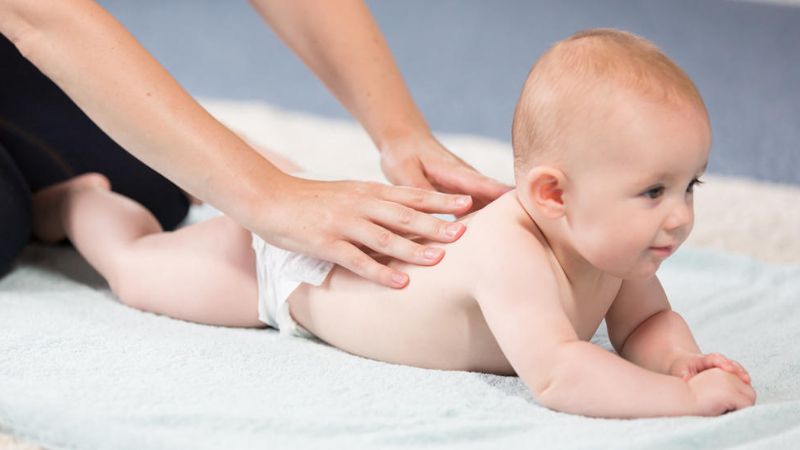
  • Back: Gentle strokes along the back, with the baby positioned safely, can be deeply soothing.

Reading the Baby’s Cues

A good massage session always follows the baby’s response – continuing if they seem calm and content, and pausing or stopping if they show signs of discomfort or fussiness.

A Calm Finish

Sessions typically wind down gradually, often transitioning naturally into feeding, cuddling, or sleep.

Safety Tips for Baby Massage

  • Always use a baby-safe, unscented oil recommended by a pediatrician or specialist, and check for any skin sensitivity first.
  • Keep the room warm enough that the baby stays comfortable while partially undressed.
  • Never massage directly over the umbilical cord stump until it has fully healed.
  • Avoid massage if your baby is unwell, has just eaten, or seems unusually fussy or overtired.
  • Always support the baby’s head and neck properly throughout.
  • Stop immediately if your baby shows signs of distress, and never force a session if they aren’t receptive.

Should You Learn from a Professional or Do It Yourself?

Both approaches are valid, and many parents do a combination of both.

Learning from a trained professional offers the benefit of proper technique guidance, personalized tips based on your baby’s specific needs, and the reassurance of expert supervision, especially for first-time parents who feel unsure about handling a newborn.

Practicing at home once you’re comfortable with the basics allows massage to become a natural, regular part of your daily routine, building consistency without needing to schedule a session every time.

Many families start with a few guided sessions to learn proper technique, then continue the practice independently at home going forward.

Frequently Asked Questions

How often should I massage my baby? 

Many parents incorporate short massage sessions daily, often as part of a bedtime or after-bath routine, though there’s no strict requirement – even a few times a week can offer noticeable benefits.

Can baby massage help with colic? 

Many parents find that gentle tummy massage techniques help ease gas and digestive discomfort associated with colic, though persistent or severe colic symptoms should also be discussed with a pediatrician.

Is baby massage safe for newborns? 

Yes, when done gently and correctly, though it’s best to wait until the umbilical cord area has healed and to get your pediatrician’s confirmation that your baby is ready, especially for premature or medically complex newborns.

What oil should I use for baby massage? 

A pediatrician-approved, unscented, baby-safe oil is generally recommended. It’s wise to do a small patch test first to rule out any skin sensitivity.

How long should a baby massage session last? 

Sessions are typically kept short, especially for younger infants – often just a few minutes per area – and should always be guided by the baby’s comfort and responsiveness rather than a strict time limit.

Discover the Benefits with Nightingale Health Services

From better sleep and eased digestion to deeper bonding, baby massage Dubai parents are embracing offers real, meaningful benefits for both babies and their families. Nightingale Health Services provides expert newborn massage guidance and sessions, helping you build a calming, confidence-boosting routine with your little one.

Ready to get started? Contact us to learn more and book your session today.
img