
Categories
Blood Tests

Do You Need to Fast? Common Questions About At-Home Blood Tests in Dubai Answered

Blood Test at Home in Dubai: Your Questions Answered

Booking a blood test at home for the first time usually comes with a handful of practical questions, and fasting is almost always at the top of the list. Do you need to skip breakfast? Can you drink water? What actually counts as fasting, anyway? This guide answers the most common questions people have about at-home blood testing in Dubai, clearly and directly, so you can prepare properly and know exactly what to expect.

Do I Need to Fast Before My Blood Test?

This depends entirely on which specific test you’re having done. Fasting requirements vary by test type, so it’s worth checking the specific requirements for your test rather than assuming a blanket rule applies.

Tests That Typically Require Fasting

  • Blood glucose tests (especially fasting glucose or glucose tolerance tests)
  • Lipid profiles (cholesterol and triglyceride levels)
  • Certain metabolic panels

Tests That Typically Don’t Require Fasting

  • Complete blood counts (CBC)
  • Many hormone panels
  • Thyroid function tests
  • Vitamin D and B12 levels
  • Many infectious disease screenings

When booking a blood test in home service, always confirm fasting requirements for your specific panel, since combining multiple tests in one appointment sometimes means fasting is needed even if one individual test wouldn’t normally require it.

What Actually Counts as “Fasting”?

Fasting for a blood test typically means avoiding food and any beverages other than plain water for a specified period, usually between 8 and 12 hours, depending on the specific test. This means:

  • No food of any kind during the fasting window
  • Water is generally fine, and often encouraged, since staying hydrated can make the blood draw easier
  • Avoid coffee, tea, and other beverages, even without sugar or milk added, since these can still affect certain test results
  • No chewing gum, which can sometimes stimulate digestive processes that interfere with fasting requirements
  • Continue essential medications unless your doctor has specifically advised otherwise, since stopping medication without guidance can be riskier than the fasting itself

Can I Drink Water While Fasting?

Yes, water is almost always fine, and staying properly hydrated can actually make the blood draw itself easier by keeping veins more accessible. Unless your doctor has specifically instructed otherwise, plain water doesn’t interfere with standard fasting requirements.

What Time of Day Should I Book My Test?

Morning appointments are generally preferred for fasting blood tests, since it’s easier to fast overnight while sleeping than to go without food for an extended period during the day. Booking a blood tests at home Dubai appointment for early morning also means you can eat breakfast shortly after your sample is taken, minimizing the discomfort of an extended fast.

Is an At-Home Blood Test as Accurate as a Lab Visit?

Yes, when performed correctly by a trained professional. The sample collection process itself is identical to what happens in a clinic or lab setting, and samples are sent to the same certified laboratories for analysis. The accuracy of the results depends on proper collection technique and laboratory processing, not on whether the draw happened at home or in a clinic.

What Should I Expect During the Visit?

  1. Confirmation of fasting status (if applicable): The nurse will typically confirm you’ve followed any required fasting guidelines before beginning.
  2. Brief health check-in: A quick conversation about which tests are being performed and any relevant health information.
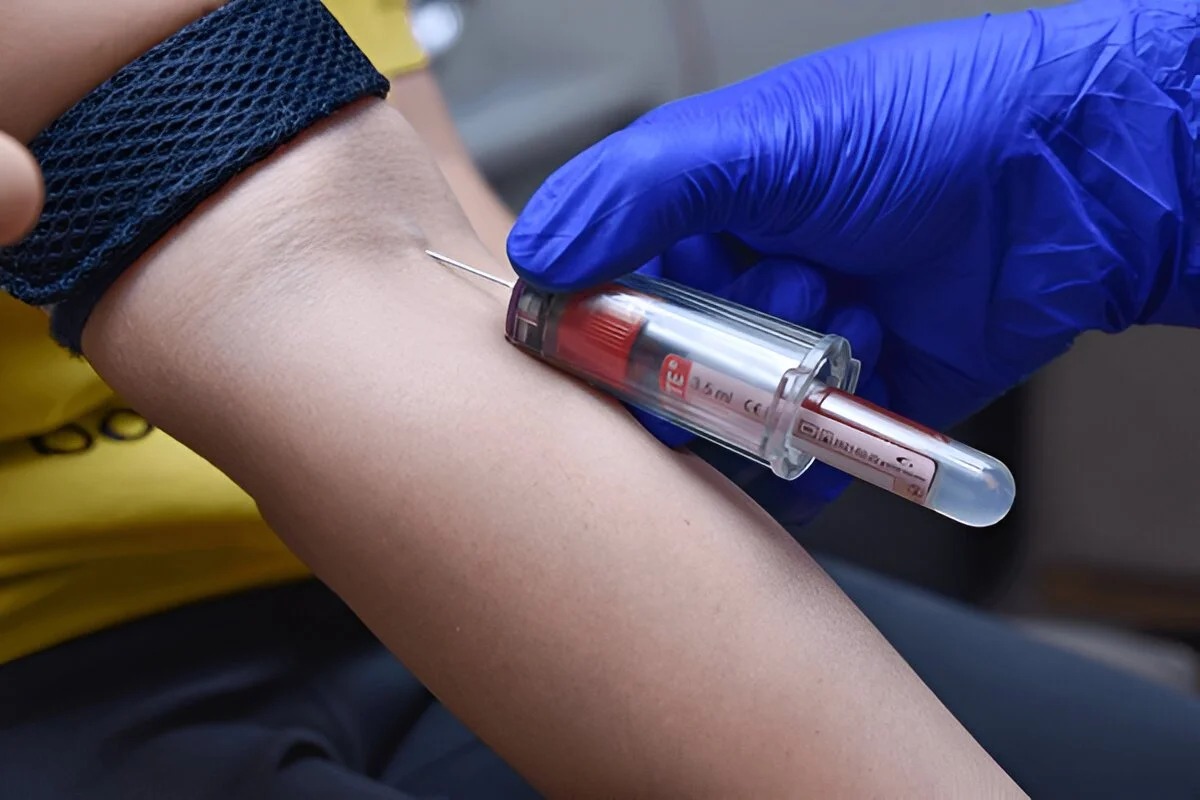
  3. Sample collection: A trained professional draws blood using standard, sterile technique, similar to what you’d experience at a clinic.
  4. Proper sample handling: Samples are labeled and prepared for transport to a certified laboratory.
  5. Results delivery: Results are typically shared within a specified timeframe, often digitally, depending on the specific tests ordered.

How Long Does the Actual Blood Draw Take?

The blood draw itself is usually quick, often just a few minutes, though the full appointment, including check-in and any necessary paperwork, might take slightly longer.

What If I Accidentally Ate Before My Fasting Test?

If you’ve eaten before a test that requires fasting, it’s best to be upfront about it rather than proceeding anyway. Depending on the specific test and how much time has passed, your provider may recommend rescheduling to ensure accurate results, since eating can meaningfully affect readings like glucose or lipid levels.

Do Children Need to Fast the Same Way as Adults?

Fasting guidelines for children can differ, and prolonged fasting isn’t always recommended for younger children. It’s best to confirm specific guidance for your child’s age and the particular test being performed when booking a blood test dubai appointment for a child.

Can I Take My Regular Medications Before a Fasting Blood Test?

In most cases, yes, unless your doctor has specifically advised otherwise for your particular test. Stopping necessary medication without guidance carries its own risks, so always clarify this directly with your doctor or the testing provider if you’re uncertain.

What Should I Do If I Feel Dizzy or Unwell During Fasting?

If you experience significant dizziness, weakness, or feel unwell while fasting, it’s important to let the technician know before or during your appointment. In some cases, this may mean adjusting the appointment or, for individuals prone to low blood sugar, discussing alternative approaches with your doctor beforehand.

How Do I Prepare the Night Before?

  • Eat a normal dinner, finishing within your fasting window’s start time
  • Avoid alcohol, which can also affect certain test results
  • Get adequate rest, since sleep quality can influence some test markers
  • Set a reminder for your fasting start time to avoid accidentally eating too close to your appointment

Frequently Asked Questions

How many hours should I fast before a blood test? 

This depends on the specific test, but commonly ranges from 8 to 12 hours. Always confirm the exact requirement for your specific panel when booking.

Can I brush my teeth before a fasting blood test? 

Generally, yes, though it’s best to avoid swallowing large amounts of toothpaste or using products containing sugar, just to be cautious for very specific glucose-related tests.

Is it normal to feel hungry or lightheaded while fasting? 

Mild hunger is common, but significant dizziness or weakness should be mentioned to your provider, as this may require adjusting your approach.

Do all blood tests require fasting? 

No. Many common tests, including CBC, thyroid panels, and vitamin levels, don’t require fasting at all. Fasting is primarily required for specific tests like glucose and lipid panels.

How soon will I get my results after an at-home blood test? 

Turnaround time varies by test type, but many results are available within a few days, sometimes sooner for standard panels, depending on the laboratory and specific tests ordered.

Book Your Blood Test with Confidence – Nightingale Health Services

Whether your test requires fasting or not, Nightingale Health Services makes getting a blood test at home in Dubai simple, accurate, and convenient, with clear guidance provided every step of the way.

Ready to book your test? Contact us to learn more and schedule your appointment today.
Categories
Blood Tests

Blood Tests at Home in Dubai: What You Can Check Without Visiting a Lab

Blood Tests at Home in Dubai: What You Can Check

There’s a particular kind of dread that comes with needing a blood test: finding time between meetings, sitting in a waiting room that always seems fuller than expected, and then hunting for parking once you finally arrive. For something as routine as a blood test, it can feel like an outsized amount of effort.

The good news is that it no longer has to be this way. Blood tests at home have become one of the most popular ways for people in Dubai to stay on top of their health – without rearranging their entire day to do it. Whether you’re checking your cholesterol, monitoring a chronic condition, or simply due for an annual health screen, a phlebotomist can now come to you.

Here’s a real look at how at-home blood testing works, what it can actually check, and when it makes sense to book one.

Why At-Home Blood Testing Has Taken Off in Dubai

Dubai runs at a fast pace, and healthcare has had to adapt to match it. A few reasons at-home testing has become so popular:

  • Time is tight. Between work, family, and traffic, a 45-minute round trip to a clinic for a 5-minute blood draw doesn’t always make sense.
  • Comfort matters. Some people find clinics stressful, or simply prefer the privacy of their own space, especially for sensitive tests.
  • Mobility is a factor. For elderly parents, new mothers recovering after delivery, or anyone unwell enough that leaving the house is difficult, home visits remove a real barrier to getting tested.
  • Consistency helps with monitoring. People managing chronic conditions who need regular testing benefit from a simple, repeatable process that doesn’t eat into their week each time.

At Nightingale Health Services, we built our home blood testing service around exactly these realities – bringing accredited, professional lab testing to wherever you are in Dubai.

How Blood Testing at Home Actually Works

The process is refreshingly simple, and it mirrors what you’d expect at a clinic – just without the waiting room.

1. Book Your Test

Choose the test or panel you need through our website or by phone. If you’re not sure exactly what to test for, our team can help match your symptoms, goals, or doctor’s recommendation to the right panel.

2. Schedule a Convenient Time

Select a time slot that works around your day – including early mornings, evenings, and weekends. Fasting tests (like cholesterol or blood sugar panels) are scheduled with that in mind, so you know exactly how to prepare.

3. A Licensed Phlebotomist Visits You

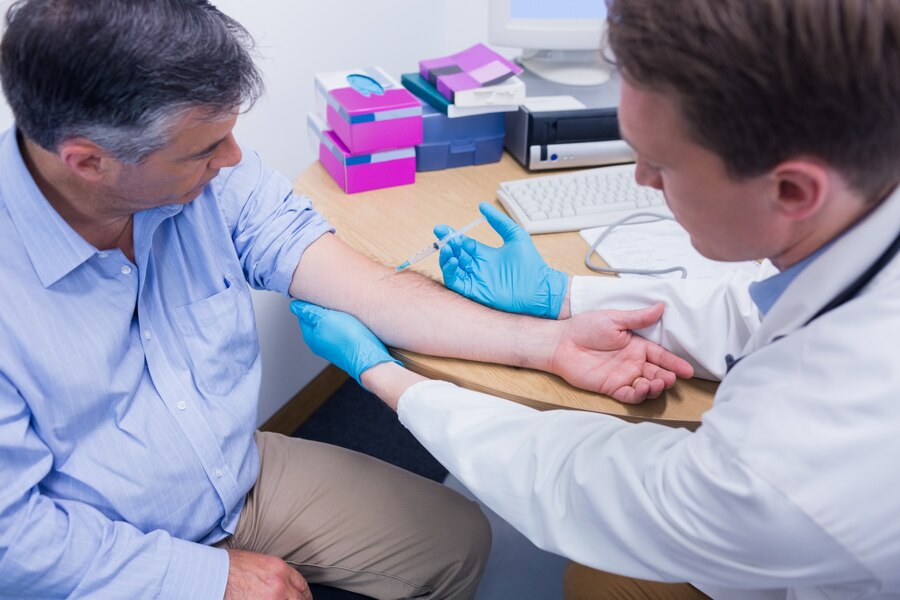
A trained, certified phlebotomist arrives at your home, office, or hotel with all necessary sterile equipment. The blood draw itself typically takes just a few minutes and follows the same clinical standards you’d expect at any accredited lab or hospital.

4. Sample Transport Under Proper Conditions

Your sample is labeled, logged, and transported to an accredited laboratory under controlled conditions, exactly as it would be if collected in a clinic.

5. Digital Results, Explained

Results are typically delivered digitally within 24–48 hours, depending on the tests ordered. For anything requiring interpretation or follow-up, our team is available to walk you through what the numbers mean and what, if anything, comes next.

What Can You Actually Check With a Blood Test in Home?

This is usually the first question people ask, and the honest answer is: quite a lot. Modern home phlebotomy services can support the same broad range of tests you’d find at a hospital lab. Common categories include:

General Health & Wellness Panels

  • Complete Blood Count (CBC) – checks red and white blood cells, hemoglobin, and platelets, useful for detecting anemia, infection, or other blood disorders
  • Comprehensive Metabolic Panel – reviews kidney and liver function, blood sugar, and electrolyte balance
  • Vitamin panels – including Vitamin D, B12, and folate, which are commonly deficient and easy to miss without testing

Heart Health

  • Lipid profile – measures total cholesterol, LDL, HDL, and triglycerides, key indicators for cardiovascular risk

Diabetes & Blood Sugar

  • Fasting glucose and HbA1c – used to screen for or monitor diabetes and prediabetes

Hormonal & Thyroid Testing

  • Thyroid function tests (TSH, T3, T4) – helpful for fatigue, weight changes, or mood-related symptoms
  • Reproductive hormone panels – including testosterone, estrogen, and fertility-related markers

Nutritional & Deficiency Screening

  • Iron studies – to investigate fatigue or suspected anemia
  • Full nutritional panels – covering a wide range of vitamins and minerals

Allergy & Sensitivity Testing

  • Blood-based allergy panels that screen for reactions to common food or environmental allergens

Chronic Disease Monitoring

  • Regular panels for people managing conditions like diabetes, thyroid disorders, or high cholesterol, where consistent monitoring is part of ongoing care

Pre-Employment & Insurance Medicals

  • Standard panels often required for employment, insurance applications, or general fitness certificates

This list isn’t exhaustive – if there’s a specific test your doctor has recommended, it’s always worth checking with us directly, since most standard laboratory tests can be arranged through home collection.

Is At-Home Testing as Accurate as Going to a Clinic?

Yes – accuracy comes from the laboratory processing the sample and the qualifications of the person collecting it, not the location of the appointment itself. When performed by a certified phlebotomist following proper collection and handling protocols, and processed at an accredited lab, at-home blood tests are just as reliable as tests collected in a clinical setting.

The one thing home testing doesn’t change is biology: fasting requirements, timing (some hormone tests need to be done at specific times of day), and proper sample handling all still matter, whichever location the draw happens in. This is why a good home testing service will always ask the right preparation questions before your appointment, not just show up and draw blood.

Who Benefits Most From Blood Tests at Home in Dubai?

While anyone can choose the convenience of home testing, it tends to make an especially big difference for:

  • Busy professionals who struggle to fit clinic visits into packed schedules
  • Parents, especially those managing testing for multiple family members at once
  • Elderly individuals for whom travel to a clinic is physically difficult
  • New or postpartum mothers who need monitoring without leaving a newborn at home
  • People managing chronic conditions who need frequent, low-friction testing
  • Anyone recovering from illness or surgery, for whom a clinic visit is genuinely taxing
  • Residents and visitors alike who simply prefer privacy and convenience over a waiting room

What to Expect on Test Day

A few simple things make the process go smoothly:

  • Follow fasting instructions, if applicable – usually 8–12 hours for cholesterol or glucose panels. Our team will confirm this when you book.
  • Stay hydrated the day before, as it makes the blood draw itself easier and quicker.
  • Have a form of ID ready, particularly for tests linked to medical or insurance documentation.
  • Choose a comfortable, well-lit spot at home for the draw – a kitchen table or well-lit room works well.

The appointment itself is quick: most straightforward blood draws take less than 10 minutes from arrival to completion.

Why Choose Nightingale Health Services

At Nightingale Health Services, we treat a blood test as more than a transaction – it’s often the first step toward catching something early, understanding a nagging symptom, or simply staying ahead of your health rather than reacting to it. Our home testing service is built around:

  • Certified, experienced phlebotomists for safe, comfortable sample collection
  • Partnerships with accredited laboratories for accurate, reliable results
  • Flexible scheduling that works around your day, not the other way around
  • Clear, jargon-free result explanations, with follow-up support if anything needs attention
  • Transparent pricing with no surprise fees

Book Your Blood Test at Home in Dubai

Staying on top of your health shouldn’t require rearranging your whole week. With blood tests at home in Dubai from Nightingale Health Services, you get the same accredited, accurate testing you’d find at any hospital or clinic – delivered at your door, on your schedule.

Frequently Asked Questions

  1. How long does an at-home blood test take?

The actual blood draw typically takes 5–10 minutes. Results are usually available within 24–48 hours, depending on the specific tests ordered.

  1. Do I need to fast before a blood test at home?

For certain tests – such as cholesterol or fasting glucose – yes, fasting for 8–12 hours beforehand is typically required. Our team will let you know in advance based on the tests you book.

  1. Is a blood test in home as accurate as one done in a clinic?

Yes. Accuracy depends on the qualifications of the person collecting the sample and the accreditation of the laboratory processing it – not the physical location of the appointment.

  1. Can children or elderly family members be tested at home?

Yes, home blood testing is often especially convenient for children, elderly individuals, and anyone for whom traveling to a clinic is difficult.

  1. What if my results need follow-up?

Our team can help explain your results and guide you toward the appropriate next steps, whether that’s a follow-up test, a specialist referral, or lifestyle recommendations.

  1. Can I book multiple family members for the same home visit?

Yes, many clients schedule one visit to test multiple household members, which our phlebotomists can accommodate in a single appointment.

img