
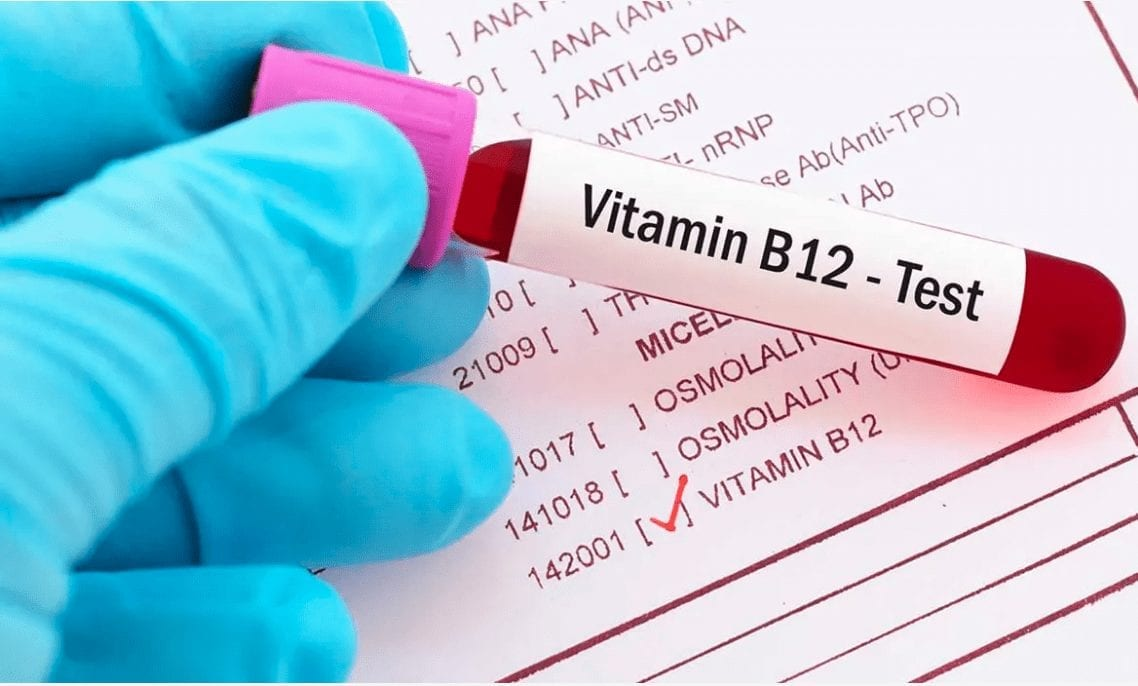
Vitamin B12 Test: Get Tested at Home for Fatigue
You’re sleeping enough, eating reasonably well, and still, that heavy, persistent tiredness just won’t lift. It’s one of the most frustrating experiences in health – knowing something feels off, but not having an obvious explanation. A vitamin b12 test is one of the simplest, most overlooked ways to check whether a specific, fixable nutrient deficiency might be behind that exhaustion.
Why B12 Deficiency Gets Missed So Often
Vitamin B12 plays a critical role in energy production, red blood cell formation, and nerve function, which means a deficiency can affect how you feel in ways that are easy to misattribute to stress, poor sleep, or just “being busy.” Because the symptoms build gradually and overlap with so many other common complaints, many people live with a B12 deficiency for months, or even longer, without ever suspecting it as the actual cause.
Signs Your Fatigue Might Be B12-Related
While fatigue alone doesn’t confirm a B12 deficiency, certain accompanying signs make it worth investigating specifically:
- Persistent, unexplained tiredness that doesn’t improve with adequate sleep
- Tingling or numbness in the hands or feet
- Difficulty concentrating or a noticeable mental fog
- Pale or slightly yellowish skin
- Shortness of breath during normal, everyday activity
- Mood changes, including irritability or low mood
- Mouth or tongue soreness, sometimes with a smooth or swollen appearance
- Balance issues, particularly in more advanced or prolonged deficiency
If several of these sound familiar, testing is a straightforward, practical next step rather than continuing to guess at the cause.
Who Is Most at Risk of B12 Deficiency?
Certain groups are more commonly affected, which is worth being aware of:
- People Following Plant-Based Diets: Since B12 is found almost exclusively in animal products, vegetarians and particularly vegans are at meaningfully higher risk of deficiency unless actively supplementing.
- Older Adults: As the body ages, absorption of B12 from food can become less efficient, making older adults more prone to deficiency even with adequate dietary intake.
- People with Certain Digestive Conditions: Conditions affecting the stomach or intestines, including some autoimmune conditions, can interfere with B12 absorption regardless of dietary intake.
- Those Taking Certain Medications: Some commonly used medications can interfere with B12 absorption over time, making periodic testing worthwhile for people on long-term prescriptions known to affect this.
- Pregnant and Breastfeeding Women: Increased nutritional demands during pregnancy and breastfeeding can increase the risk of deficiency if intake isn’t adequately maintained.
What Does a Vitamin B12 Test Actually Involve?
Testing for B12 typically involves a simple blood sample, measuring the level of B12 circulating in your bloodstream. The process is quick and straightforward:
- A small blood sample is collected, either via a traditional blood draw or, in some at-home testing options, a simple finger-prick method.
- The sample is sent to a certified laboratory for analysis.
- Results indicate whether your B12 level falls within a normal range, is borderline low, or shows a clear deficiency.
- A doctor reviews the results with you and discusses next steps if levels are found to be low.
Testing at Home vs at a Clinic
For many people, especially those managing a busy schedule while already feeling fatigued, an at-home test offers a genuinely convenient alternative to fitting in a clinic visit:
- A test kit is delivered to your home or office
- A simple sample is collected, following included instructions
- The sample is couriered to a certified lab
- Results are typically shared digitally within a few days
This option removes the added effort of a clinic visit at a time when you may already be feeling low on energy, making it easier to actually follow through on getting tested rather than continuing to put it off.
What Happens If You’re Deficient?
A confirmed B12 deficiency is generally very manageable. Depending on severity, treatment might include:
- Oral B12 supplements, taken daily to gradually restore levels
- B12 injections, often recommended for more significant deficiencies since they bypass potential absorption issues entirely
- Dietary adjustments, particularly for those with limited intake of B12-rich foods
- Addressing an underlying cause, if a specific digestive condition or medication is contributing to the deficiency
Many people notice a genuine improvement in energy and overall wellbeing once appropriate treatment begins, often within a matter of weeks.
Should I Test for Vitamin D Too?
Given that Dubai’s indoor-heavy lifestyle also commonly leads to lower vitamin D levels, many people experiencing fatigue benefit from checking both simultaneously. A vitamin d test in Dubai alongside your B12 test can provide a fuller picture, since both deficiencies can independently contribute to similar symptoms, and it’s not uncommon for someone to have low levels of both at once. Many clinics and at-home kits offer combined testing, allowing both results from a single sample or visit.
Why Fatigue Deserves a Proper Look, Not Just “Powering Through”
It’s easy to normalize constant tiredness as simply part of a busy lifestyle, but persistent, unexplained fatigue is genuinely worth investigating rather than assuming it’s just something to push through. A simple blood test can rule in or rule out a common, fixable cause, potentially saving months of unnecessary exhaustion.
Frequently Asked Questions
How do I know if my fatigue is due to B12 deficiency or something else?
Testing is the most reliable way to know for certain. While symptoms can offer a helpful clue, a blood test provides a definitive answer rather than relying on guesswork.
Can B12 deficiency cause symptoms beyond fatigue?
Yes, including tingling in the hands and feet, difficulty concentrating, mood changes, and in more advanced cases, balance issues, which is why persistent fatigue alongside these signs is particularly worth investigating.
Is an at-home B12 test as accurate as a clinic test?
Yes, when collected properly and processed by a certified laboratory, at-home tests provide reliable results comparable to clinic-based testing.
How long does it take to feel better after starting B12 treatment?
Many people notice improvement within a few weeks of starting appropriate treatment, though this can vary depending on the severity of the initial deficiency.
Should vegetarians and vegans get tested regularly, even without symptoms?
Given the meaningfully higher risk of B12 deficiency on a plant-based diet, periodic testing is often a sensible precaution, even in the absence of noticeable symptoms.
Get to the Bottom of Your Fatigue – Nightingale Health Services
Persistent tiredness deserves real answers, not just another cup of coffee. Nightingale Health Services offers convenient vitamin b12 test options in Dubai, including at-home collection, along with combined vitamin d test Dubai testing for a fuller picture of what’s behind your fatigue.
Ready to find out what’s really going on? Contact us to learn more and book your test today.