
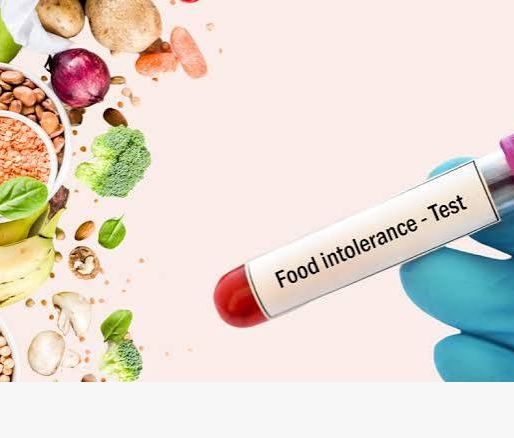
Food Intolerance Test: What It Can (and Can’t) Tell You
Bloating after dairy. Headaches after certain meals. Fatigue that seems to follow no obvious pattern until you start paying closer attention to what you ate. If this sounds familiar, you’ve probably already considered a food intolerances test.
These tests can be genuinely useful, but they’re also widely misunderstood. Many people assume a single test can hand them a definitive list of “safe” and “unsafe” foods – and that’s not quite how it works. This article breaks down what a food intolerance test can realistically tell you, what it can’t, and how to use the results in a way that actually helps.
Food Allergy vs. Food Intolerance: Why the Distinction Matters
Before looking at testing, it’s worth being clear on the difference, because the two conditions involve completely different biological processes.
A food allergy involves the immune system’s IgE antibodies reacting to a specific protein, and it can trigger a fast, sometimes severe reaction – swelling, hives, difficulty breathing, or anaphylaxis. This is a medical emergency risk and needs proper diagnosis through a food allergy test, typically a skin prick test or IgE blood test administered by a doctor or allergist.
A food intolerance, on the other hand, usually involves the digestive system rather than the immune system. It develops when the body has difficulty breaking down a particular food component – lactose intolerance being the most well-known example – and symptoms tend to be delayed, milder, and dose-dependent rather than sudden and severe.
This distinction matters because the two conditions require different testing approaches entirely, and confusing them can lead people toward the wrong type of test.
What Is a Food Intolerance Test?
A food intolerance test is designed to identify foods that may be triggering digestive or systemic symptoms – such as bloating, fatigue, skin irritation, or headaches – that aren’t caused by a true immune-mediated allergy.
Several approaches exist under this umbrella:
- IgG antibody testing, which measures antibody levels against a panel of common foods
- Elimination and reintroduction diets, where suspected trigger foods are removed and then reintroduced systematically while symptoms are tracked
- Hydrogen breath testing, used specifically for conditions like lactose or fructose intolerance, measuring gas produced by bacterial fermentation of undigested sugars
- Symptom and diet tracking combined with lab panels, which many modern testing services use to correlate reported symptoms with specific food groups
What a Food Intolerance Test Can Tell You
It can highlight patterns worth investigating. If a test consistently flags a food group alongside symptoms you’ve also noticed yourself, that overlap is a useful starting point for a structured elimination trial.
It can support a more targeted elimination diet. Instead of removing dozens of foods at random, results can help narrow down which foods to eliminate first, making the process more manageable and less disruptive to daily life.
It can confirm specific, well-established intolerances. Hydrogen breath testing, for example, is a recognized method for confirming lactose or fructose malabsorption, with clear physiological markers behind the result.
It can give you a documented starting point to discuss with a doctor or nutritionist. Rather than describing vague symptoms from memory, you can bring structured data into a clinical conversation.
What a Food Intolerance Test Can’t Tell You
It can’t diagnose a true food allergy. IgE-mediated allergic reactions require immune-specific testing, and a food intolerance panel isn’t designed or validated to detect that risk. If you’ve experienced swelling, hives, or breathing difficulty after eating a food, that calls for a proper food allergy test, not an intolerance panel.
It can’t diagnose celiac disease. Celiac disease is an autoimmune condition that requires specific blood serology and, often, an intestinal biopsy for confirmation – a food intolerance test isn’t a substitute for that diagnostic pathway.
IgG antibody results don’t necessarily mean you’re intolerant to that food. Elevated IgG antibodies to a food can simply reflect that you eat that food regularly, since the immune system produces antibodies in response to normal digestion of proteins. This is a well-documented limitation, and major allergy bodies, including the European Academy of Allergy and Clinical Immunology, advise against using IgG testing alone to diagnose food intolerance.
It can’t replace a clinical diagnosis for underlying digestive conditions. Symptoms like bloating and fatigue can stem from conditions such as IBS, SIBO, or thyroid issues, which a food panel alone won’t identify or rule out.
A single test result isn’t necessarily permanent. Food sensitivities can shift over time, particularly in relation to gut health, stress, and overall diet, so results reflect a snapshot rather than a lifelong verdict.
Food Allergy Test vs. Food Intolerance Test
How to Get Useful Results From Food Intolerance Testing
- Track symptoms before testing. A short symptom and food diary – even just two weeks – gives you a baseline to compare test results against.
- Treat results as a starting hypothesis, not a final answer. Use flagged foods as a guide for a structured elimination and reintroduction process, rather than cutting them out permanently based on the test alone.
- Reintroduce foods one at a time. This is the only reliable way to confirm whether a specific food is actually linked to your symptoms.
- Work with a nutritionist or doctor to interpret results. Professional guidance helps avoid unnecessarily restrictive diets, which can create nutritional gaps if too many foods are eliminated at once.
- Rule out red-flag symptoms first. If you’ve had a severe or rapid reaction to a food, prioritize a proper allergy assessment before considering an intolerance test.
Common Mistakes to Avoid
- Eliminating every flagged food at once, which makes it impossible to identify which specific food was actually responsible for symptoms
- Treating IgG results as a definitive allergy diagnosis, when the two markers measure entirely different immune processes
- Skipping medical evaluation for severe symptoms, assuming an intolerance test covers what only an allergist can properly assess
- Not reintroducing foods to confirm findings, leaving the elimination diet as guesswork rather than a verified result
- Repeating tests too frequently without allowing enough time for genuine dietary or gut-health changes to show up
Frequently Asked Questions
- What does a food intolerances test actually measure?
Depending on the method, it measures either IgG antibody levels against specific foods, hydrogen gas produced during digestion of certain sugars, or tracks symptom correlation during a structured elimination diet.
- Can a food intolerance test diagnose a food allergy?
No. Food allergies involve IgE immune responses and require a separate food allergy test, such as a skin prick test or IgE blood test, administered by a doctor or allergist.
- Is food intolerance testing accurate?
Accuracy varies by method. Hydrogen breath testing for conditions like lactose intolerance is well-established, while IgG-based panels are considered less definitive on their own and work best alongside an elimination and reintroduction process.
- How long does it take to get food intolerance test results?
This depends on the testing method and provider, but lab-based panels typically return results within several days to two weeks.
- Do I need a doctor’s referral for food intolerance testing in Dubai?
Many food intolerance testing services, including at-home options, don’t require a referral, but discussing results with a doctor or nutritionist afterward is strongly recommended for proper interpretation.
- Can food intolerances develop later in life?
Yes. Food intolerances can develop or change over time, often linked to shifts in gut health, digestive enzyme levels, or overall diet, which is why results should be treated as a current snapshot rather than permanent.
- What’s the difference between food intolerance and food sensitivity?
These terms are often used interchangeably in casual conversation, though “food sensitivity” is sometimes used more broadly to describe reactions that don’t fit clearly into either the allergy or intolerance category.
- Should I stop eating a food just because a test flags it?
Not immediately. It’s better to use the result as a starting point for a supervised elimination and reintroduction trial, confirming the connection before making the change permanent.
Conclusion
A food intolerances test can be a genuinely useful tool – it can highlight patterns, support a more targeted elimination diet, and give you concrete data to bring into a conversation with a healthcare professional. What it can’t do is replace a proper allergy diagnosis, confirm conditions like celiac disease, or hand you a permanent, definitive list of foods to avoid for life.
Used the right way, alongside professional guidance and a structured reintroduction process, testing becomes a practical starting point rather than a final verdict.
If digestive discomfort, fatigue, or unexplained symptoms have you wondering whether certain foods are behind them, Nightingale Health Services in Dubai can help you understand what a test can genuinely tell you about your body – and guide you through interpreting the results properly. Contact us to learn more about food intolerance testing options at home and take the first step toward clearer answers.


