TMJ is the abbreviated description of the Temporomandibular Joint, commonly referred to as the jaw. Injury to the area due to various causes often results in unpleasant and painful symptoms which can be masked as other conditions. The TMJ may be painful as the result of injury, inflammatory disease, poor postures and habits or growth disorders.
Normal function of your jaw requires good TMJ alignment and normal disc position The TMJ is made up of several parts: the lower jaw (or mandible) and the socket (or temporal bone). In between the mandible and the socket is a disc. The disc allows the joint to glide smoothly on opening and closing. The joint is also held in place by muscles and ligaments. When an issue occurs in these structures, the patient may begin experiencing one or more of the following symptoms:
Pain in the jaw joints and facial muscles
Clicking, grinding or locking of the jaw
Headache pain into face, temples, eyes, or base of skull
Dizziness
Difficulty opening or closing the mouth comfortably
Pain on talking, chewing (especially hard food) & yawning
Ear pain, ringing in the ears (tinnitus) & hearing loss.
What causes TMJ pain?
There are a number of causes and frequently it is a combination of these rather than one single cause:
Trauma, for example a blow to the jaw either directly to the joint or elsewhere on the jaw.
Over activity of the jaw muscles from continuous grinding of the teeth or clenching the jaw.
Poor posture and ergonomic habits resulting in abnormal loading and strain on the neck musculature.
Wear and tear of the cartilage inside in the joint
Arthritis
Stress linked to increased sensitivity to pain
How can physiotherapy help?
Our home physiotherapists will evaluate your facial symmetry, TMJ position, and disc alignment. We use manual therapy, myofascial release, dry needling and therapeutic exercise to help restore neutral TMJ position, alleviate pain, decrease stiffness and normalise TMJ function and mobility. A full assessment of the cervical spine and musculature and general posture of the patient will also be conducted and the relevant modifications and treatments can begin.
The human body and mind are two sides of the same coin. Physical pain, be it chronic or sudden injury-inflicted, restricted mobility, and stiffness of body parts can lead to a dull and depressed state of mind.
Physiotherapy can help with pain alleviation and pain management and also mobility management by combining a holistic set of routine and advanced exercise modules as well as prescription treatments.
Physiotherapy is essential in treating pain inflicted by sudden injuries or accidents, posture-related neck and back pain issues, arthritis, sciatica and spinal disk-related injuries, fractures and scar of tissue etc.
Following are the acute and lifestyle-related conditions that require the able hands and care of a trained physiotherapist:
Sports injuries: This is very common among players, both at beginner’s as well as advanced levels and sometimes take months to heal before one can get back to the grounds.
Elbow conditions (golfer’s or tennis elbow): This is not just seen in people playing golf but anyone who is into repetitive movements at the wrist can get this condition, including plumbers and carpenters.
Carpal tunnel syndrome: It’s caused by pressure on your median nerve, which runs the length of the arm, goes through a passage in the wrist called the carpal tunnel and ends in the hand. Repeated motions like typing or conditions like rheumatoid arthritis can trigger this pain, which is experienced in a tingling sensation, numbness or acute pain in the wrist and fingers.
Long working hours-induced neck, back, arm, and wrist pain: This is very common among people who lead sedentary lives and are exposed to long working hours before the computer due to the nature of their work.
Other conditions that require the able hands of a physiotherapist are recurring headaches, muscle sprains, running injuries, post-surgery pain, women’s health and ante/post natal-related pain, nerve impairment/entrapment, plantar fasciitis or policeman’s heels (inflammation of the tissue band that connects the heel bone to the toes), and shoulder conditions (frozen shoulder and rotator cuff issues that are characterized by stiffness and enlargement of the shoulder joint).
There are other long-term conditions that require the expertise of home physiotherapy care for all-around healing. These conditions include:
Injuries related to falls and slips be it from the stairs or in the bathroom.
Elderly people often suffer from chronic pain induced by arthritis, surgery, or sudden pain inflicted by a fall.
Patients who have survived a stroke can require physiotherapy sessions to resume normal day-to-day activities.
Patients who have undergone a joint replacement surgery can require regular physiotherapy sessions at home to resume movement.
There is also trusted effectiveness of physiotherapy care at home for the following illnesses: Arthritis, cancer survivor care, cardiac rehabilitation, dementia care, Parkinson’s (a disorder of the central nervous system that might cause tremors and stiffness), lymphoedema (swelling in an arm or leg muscle caused by lymphatic system drainage), musculoskeletal disorders (denoting disorders pertaining to the musculature and skeleton combined together), obesity, urinary incontinence, and vestibular rehabilitation (an exercise-based program designed by a certified physiotherapist to improve balance and reduce dizziness-related problems).
If you are in Dubai and looking for good physiotherapy clinics in Dubai, following is the criterion that you must identify as the markers of a licensed and trusted physiotherapy clinic:
A good physiotherapy clinic will provide preliminary assessment and diagnosis and then devise a rehabilitation program customized for the patient’s particular condition.
A modern, well-trained expert physiotherapist should be able to combine both clinical assessments with circumstantial knowledge and hands-down treatments with prescription-based exercise modules.
A good home physiotherapist will be able to deal with both chronic and sudden nature and degrees of pain as well as experienced athletes, seasoned players, accident victims, and amateur gym visitors.
A good licensed physiotherapist should be able to assess each patient in their home environment and take into consideration their personal goals, problems related to self-esteem, and design an exercise-based module as per the patient’s requirements. Such a conversation-derived rehabilitation programme can only bring true comfort and relief to the patient and their families. It is the duty of an efficient, well-trained, certified physiotherapist working at a licensed physiotherapy clinic to make the patients understand that rehabilitation should start as soon as possible to achieve a speedy recovery.
For patients with acute conditions, the physiotherapist might have to develop a maintenance programme to limit further complications such as muscle atrophy and chest infections.
At Dubai Nightingale, our trained physiotherapists are able to take note of the patient’s lifestyle and background, discuss their personal goals and anxiety issues, and study their body and mind responses and faculties in their home environment to devise a full-proof physiotherapy program that involves the use of a range of apparatus and techniques (electrotherapy, massage, manual therapy, and progressive exercise). This is done to ensure the patient is able to regain mobility and functionality in their lives and their overall quality of life is also improved by devising a module that will help them be more active and positive. Increasing mobility potential and decreasing levels of pain are the two most fundamental concerns of our experienced physiotherapists.
Our physiotherapists track the patient’s progression, right from the beginning days, and prepare a progression chart to assess their improvement using standardized, valid, and reliable measurement tools.
Dubai Nightingale therapists can work closely with home medical nurses, relatives, psychologists so that the patient’s treatment is holistic and aims at all-round progress.
To coincide with Spinal Health Month, Nightingale’s home physiotherapist sheds some light on workplace back pain, reduce spinal issues and the need to focus on prevention rather than cure, especially for entrepreneurs.
Wherever you are reading this, take a look around you. It’s likely you’ll see someone with their neck bent at right angles looking at their phone, hunched over a laptop or slouching in an ill-designed chair. It won’t be long before one of them awkwardly stretches their neck, back or shoulders in an attempt to rid themselves of some form of musculoskeletal discomfort.
Back pain is the leading cause of sick days in the UK and the main reason people are forced to leave the workforce early. According to research, a third of British employees have taken at least one day off work due to back or neck pain in the past year. Nearly a quarter feel it has a negative impact on their working life – and this is before a global pandemic forced people to work from home in unorthodox settings or on poorly suited furniture.
Having treated patients for the past ten years, I’ve noticed an increasing trend of business owners, particularly SMEs, investing in preventative care for themselves and their employees rather than let their business be impacted by long and often repeated periods of absence.
Generally speaking, desk-based workers using computers are more susceptible to neck pain and lower back pain, although there are many related musculoskeletal conditions that arise from spending significant portions of the day in the same position.
For entrepreneurs and start-ups, many of these issues are exacerbated by the twin issues of stress and, particularly in the UAE, air-conditioning. There is a clear link between stress and a tightening of the muscles, especially those around our shoulders and down our spine, and this can lead to a painful condition known as Tension Myositis Syndrome. Similarly, cold air causes muscles to contract, and prolonged exposure – especially when sleeping in an overly chilled room – can further aggravate these problems.
These types of musculoskeletal conditions tend to build up over time and, left unattended, can get to the point where they start to become significantly detrimental to the patient’s health. Preventative treatment with a physiotherapist aims to avoid this buildup of mechanical stress on the body and avoid the painful episode entirely.
Act now, save long-term
I advise organisations to obtain guidance on correct workplace setup and habits, especially with desk-bound employees. Most companies give at least some basic guidance on this front but not all invest in giving their staff adequately supportive chairs, desks and equipment to reduce the mechanical stress. Again using UK figures, we know that just 23 percent of employees had been offered advice or tips by their employer on how to sit at their desk – and only six percent report they are actively encouraged to move around to alleviate the issue. If you / your company need advice on work place ergonomics, get in touch with us.
For employers looking to go the extra mile to prevent workers’ neck and back pain, it may be worth commissioning external specialists to assess and advise the best ergonomic furniture and setup for the staff to suit the nature of their work.
There are also several tech options for businesses to consider when looking after their staff’s back health. In this modern age, several accessories are available to promote healthier working, from adjustable screen stands to standing desks or active seating which encourages the use of your core muscles when sitting.
Likewise, employers can consider initiatives such as Step Jockey, an app that “nudges” staff to move a little more each day. A healthier ethos in the corporate culture may prove beneficial in empowering employees to take breaks from their desk and stay active, for example by organising lunchtime walks or offering gym incentives to personnel.
The employed can also adopt healthier habits to encourage preventative care while in the workplace. It may seem simple, but an instruction to keep moving might be the best. If your job leaves you sedentary for long periods of time, make it a point to take breaks and move your joints and muscles at least every half hour. Find opportunities to stand up and, better yet, walk around like when on the phone. Try and customise your workstation to fit your dimensions; consider the height of your screen, your back support and the height of your knees so that you are seated in a comfortable position.
This is especially important for entrepreneurs and small business owners. You may feel like you have to be over your laptop 24 hours a day, but taking breaks, getting exercise and finding the best furniture is probably the best investment in your business you can make.
Nadine came to Nightingale after suffering a terrible cycling accident. The fall resulted in both pubic ramus and acetabular fractures. Read on to learn from her journey through Physiotherapy Rehabilitation.
Patient name – Nadine
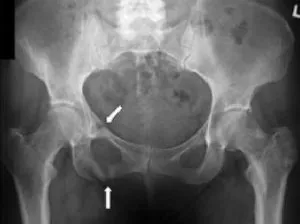
Patient Background – Nadine came to Nightingale in September after suffering a terrible cycling accident. The fall resulted in both pubic ramus and acetabular fractures (a broken pelvis and a broken hip socket).
Prior to suffering multiple fractures, Nadine enjoyed outdoor activities, to include cycling, golfing and tennis. Worried about the long and painful road to recovery ahead, motivation became her inspiration. Together with our Physio at Nightingale Physiotherapy, she worked diligently along her path to recovery.
The Results – Through the guidance, support, and hands-on treatments of Nightingale physiotherapist and his practice, Nadine was back to her rigorous cycling routine and competitive golfing within four months of her accident.
The Early Stages of Recovery
The pelvis is a ring of bone at hip level, made up of several separate bones. A pelvic fracture is a break in any one of those bones. Some pelvic fractures, as seen with Nadine, involve breaking more than one of these bones.
The pelvis is naturally a very strong bone. It takes immense force, and impact to cause a pelvic fracture. These types of fractures are horrifically painful. In the event that the fracture remains unstable, surgery may be required to obtain complete recovery. Luckily for Nadine, this was not the case. Through the assistance of her Nightingale home nurse team and Physiotherapists, physiotherapy led to a full, swift recovery.
The Aftermath of the Cycling Injury
For a very independent active woman, such as Nadine, the loss of mobility after being placed on crutches for partial weight bearing was a frustrating and daunting experience. To say that the loss of dignity associated with her cycling fall was a difficult experience would be a gross underestimate.
After her fall, Nadine was not able to bend her leg, move without assistance or roll over in bed. She was not able to wash without help or use the toilet without mobility aids. Even the daily task of putting on clothes had become painful and challenging.
Despite these initial daily struggles, Nadine turned her sights to the future. As a competitive golfer, she regularly played in tournaments. She was in constant fear that she would never return to her beloved sport, and if she did – how long would the path to recovery take?
Luckily for Nadine, with the support of her family, she was encouraged to enlist the help of the Nightingale nurses at this early stage. The DHA certified nurses were extraordinary during this difficult transitioning period before she was able to start physiotherapy.
Physiotherapy Rehabilitation – The Path to Recovery
Despite googling the worst case scenarios, Nadine was inspired to progress through her rehabilitation. Realistically, after suffering a double pelvic fracture, rehabilitation can take upwards of 6 months to a full year before the patient is able to return to sports. Together with her doctor, Nightingale’s physiotherapist determined the direction and speed of Nadine’s rehabilitation.
Initially, Nadine and our physiotherapist focused on the challenge of walking properly with the assistance of crutches. Over the first few weeks of her therapy, she picked this up very quickly. However, it was here she experienced her first setback.
A Bump on the Path to Recovery
Everything was suggesting rehab could be progressed to the next level. Nadine’s pain was minimal, she was walking perfectly with her crutches, and she was gradually building strength through minimal weight bearing exercises.
After 6 weeks, her follow up x-ray showed the acetabular fracture was not healing as well as hoped. While she was no longer able to continue the weight bearing portion of her rehab, Nadine was able to continue working through hands-on physiotherapy treatment during this period, which helped reduce the shoulder and back pain caused by the fall.
Nadine was committed to her daily exercises to restore mobility in the hip, back and shoulder. As each week progressed, she and the physio would establish new targets and new exercises to keep pushing her along her path to recovery.
Physiotherapy Rehabilitation Milestone #1
The first time Nadine walked and exercised in the pool was a great milestone. Before long she was able to move back to the stationary bike. Through the use of physiotherapy, the Physio pushed Nadine’s limits during rehab, which allowed her to progress as quickly as possible while staying within the safe restrictions necessary for her healing pelvic fractures.
Physiotherapy Rehabilitation Milestone #2
Using physiotherapy rehabilitation, the therapist gradually rebuilt Nadine’s muscle and muscle control memory to reload the leg gradually. At the 10 week mark, Nadine’s x-ray brought amazing news. Both of her fractures were healing nicely. She was now able to progress with weight bearing exercises, gradually weaning herself off the crutches. Not only was this a great milestone on Nadine’s path to recovery, but this also allowed her to reestablish some independence.
Liberated from her crutches, Nadine firmly set her sights on returning to her normal activities quickly as her body would permit. However, in the load bearing position, the weakness in her leg muscle became more apparent. In fact, Nadine was barely able to lift her leg.
This was very unsettling and distressing for Nadine. She was now beginning to question how long it would take for strength to return to her legs so she could jog again, let alone compete in competitive sports.
During these dark moments of recovery, it’s always hard to see the finish line. Patients often feel as if they’re a million miles away from their goal. However, the physio remained confident that through physiotherapy, Nadine’s ability would return quickly if she continued to stay focused on her exercise routines.
From this point on, Nadine was completing three physiotherapy sessions per week. Through regular sessions in the aqua pool, jogging and swimming, not only were her spirits lifted but her strength and endurance were improving.
Recovery Through Physiotherapy Rehabilitation
Persistence over the next 4-6 weeks, doing exactly what she was told in terms of how long to aqua jog, swim, walk and at what percentage of body weight, resulted in excellent progress. By now, her walking was perfect.
The day Nadine was able to jog out of the pool was very special for everyone, as this meant she would begin swinging a golf club soon. Sure enough, by mid to late December, Nadine was back in the swing of things! It was the best Christmas present she could receive.
As Nadine continued to heal, her physiotherapy rehabilitation became more aggressive. With weekly targets designed by her physiotherapist, her end goal was on the horizon.
How’s Nadine Now?
Nadine’s journey to recovery began in September 2017. After working relentlessly with her physiotherapist, within four months Nadine was jogging, visiting the driving range, and beginning tennis movement patterns.
It took great discipline, but by the end of January, Nadine was enjoying swinging a racket and hitting tennis balls again. According to her physiotherapist, this was by far the most enjoyable part of Nadine’s path to recovery. Her bounce was back, and she felt like herself again – just a slower version (but she knew that would change in time).
As much as she loved staying with her family in Dubai, Nadine was able to fly home and continue with her exercises and rehabilitation. Although she still had targets to hit, both she and the therapist were confident it wouldn’t be long before Nadine would return to competitive golf.
Nadine’s hard work paid off. By March she was not only competing, she was winning!
Nightingale Physiotherapy
At Nightingale, our hands-on approach is designed to get you back on the road to recovery as quickly as possible.
Physiotherapy is beneficial to recovery in many ways.
Physiotherapy:
promotes optimal mobility, physical activity and overall health and wellness.
prevents injury, disability, and disease.
manages chronic and acute conditions, activity limitations, and lifestyle participation restrictions.
improves and maintains functional independence and physical performance.
rehabilitate injuries and the effects of disease through therapeutic exercise programs and other interventions
If you are tired of feeling pain, we can help. At Nightingale Health Services, we take a holistic viewpoint to physiotherapy taking into account your daily activities and whole life. Our licensed and certified physiotherapists treat you directly in the comforts of your home, providing a custom tailored approach to get you back on the road to recovery and a pain-free life.
Contact us today to learn more about our Home Physiotherapy Services and how our physiotherapists and their practice can help you get back on the path to a happier and healthier you.