Categories
Physiotherapy

Home Physiotherapy in Dubai: Who Needs It and How Recovery Works

Home Physiotherapy in Dubai: Who Needs It & How 

Recovering from an injury, surgery, or chronic pain usually means one thing: showing up, again and again, for appointments that eat into your week. But what if the therapist came to you instead? Home physiotherapy in Dubai has grown into a genuinely practical option for people who want consistent, professional treatment without the added stress of travel – especially when mobility is already limited.

This guide covers exactly who benefits most from at-home sessions, what a typical recovery journey looks like, and how to know if it’s the right fit for your situation.

What Is Home Physiotherapy?

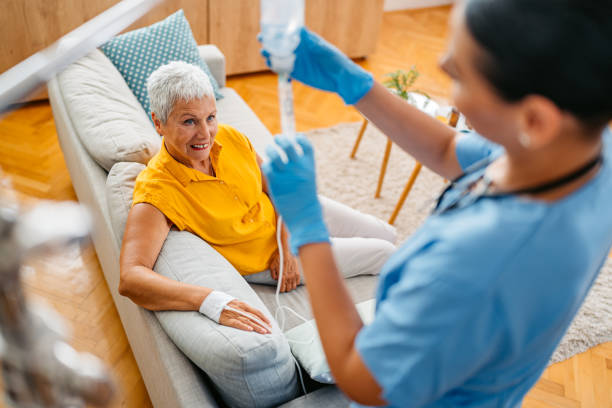
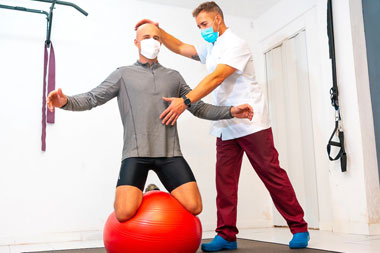
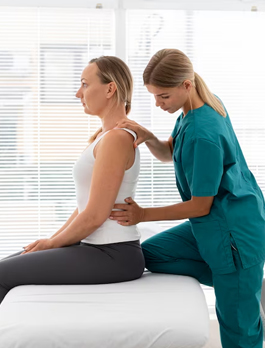
Home physiotherapy means a licensed physical therapist Dubai patients trust comes directly to your home, office, or hotel to conduct assessment and treatment sessions – the same clinical techniques used in a physiotherapy clinic, just delivered in your own space. This can include manual therapy, guided exercises, mobility work, pain management techniques, and post-surgical rehabilitation.

The core treatment quality doesn’t change. What changes is the setting, and for many people, that shift makes all the difference in how consistently they’re able to stick with a recovery plan.

Who Actually Needs Home Physiotherapy?

Home-based treatment isn’t just a luxury add-on – for several groups of people, it solves a real, practical problem.

Post-Surgical Patients

After surgeries like joint replacements, spinal procedures, or orthopedic operations, getting to a clinic can be genuinely difficult, sometimes painful, and occasionally risky in the early recovery window. Bringing a physical therapist Dubai clinics recommend directly to the patient removes that obstacle entirely, allowing rehabilitation to start safely and on schedule.

Elderly Patients

Mobility limitations, balance concerns, and the general difficulty of arranging transportation make home visits a natural fit for older adults. Therapy in a familiar environment also tends to reduce anxiety and improve comfort during sessions.

People with Chronic Pain or Mobility Issues

Conditions like arthritis, chronic back pain, or long-term joint issues often require ongoing, regular therapy. For people managing daily discomfort, avoiding the extra strain of travel to and from appointments can make a real difference in how sustainable long-term treatment feels.

Busy Professionals

Not every physiotherapy need comes from a major injury. Desk-related neck and back pain, repetitive strain issues, or general postural problems are increasingly common among Dubai’s working population. Home sessions fit into packed schedules far more easily than clinic visits squeezed between meetings.

Athletes and Active Individuals

Sports injuries, muscle strains, and overuse conditions benefit from consistent, hands-on treatment. Home sessions allow for a tailored setup, and some therapists can even incorporate a patient’s own home equipment or space into rehabilitation exercises.

New Parents

Pregnancy and postpartum recovery often bring physical changes and discomfort that benefit from physiotherapy, but taking a newborn along to clinic appointments is rarely practical. At-home care removes that barrier entirely.

People Recovering from Stroke or Neurological Conditions

Neurological rehabilitation often requires frequent, structured sessions over an extended period. Home-based therapy makes it easier to maintain consistency, which is often a key factor in long-term recovery outcomes.

How Home Physiotherapy Recovery Actually Works

Every recovery journey looks a little different, but most home physiotherapy plans follow a similar structure.

1. Initial Assessment

Your first session focuses on understanding the full picture – your injury or condition, medical history, pain levels, and mobility limitations. The therapist will typically perform physical tests to assess strength, flexibility, and range of motion before building a plan around your specific goals.

2. Personalized Treatment Plan

Based on the assessment, your therapist designs a program combining manual therapy, targeted exercises, and any necessary equipment. Because sessions happen in your own space, the plan can be adapted to fit your actual home layout, daily routine, and available equipment.

3. Active Treatment Sessions

Regular sessions follow, often weekly or more frequently depending on the severity of the condition. These typically combine hands-on techniques (like soft tissue work or joint mobilization) with guided exercises designed to rebuild strength and mobility over time.

4. Progress Tracking and Plan Adjustments

As recovery progresses, your therapist will reassess and adjust the treatment plan, gradually increasing intensity or shifting focus as strength and mobility improve. This ongoing adjustment is key to steady, sustainable progress rather than a one-size-fits-all program.

5. Home Exercise Guidance

Between sessions, most therapists provide specific exercises to continue independently, which helps reinforce progress and speeds up overall recovery time.

6. Discharge and Maintenance

Once your goals are met, your therapist will typically provide a maintenance plan to help you sustain your progress and prevent the issue from recurring, along with guidance on when to seek further treatment if problems resurface.

Home Physiotherapy vs Clinic Visits: What’s the Real Difference?

The treatment techniques themselves don’t change based on location – a qualified therapist uses the same clinical skills whether you’re in a clinic or your living room. What does change is the experience:

  • No travel required, which matters significantly for anyone in pain or with limited mobility
  • A more relaxed, familiar setting, which can genuinely help some patients feel less tense during treatment
  • Flexible scheduling that fits around work, childcare, or other commitments
  • One-on-one focus for the full session, without shared waiting rooms or overlapping clinic schedules

For people with more complex conditions requiring specialized equipment (certain machines or pool-based therapy, for example), a clinic setting may still be necessary for specific parts of treatment, but many rehabilitation programs can be delivered effectively at home.

Frequently Asked Questions

Is home physiotherapy as effective as clinic-based treatment? Yes, for most conditions. The techniques and expertise are the same – a licensed physical therapist simply brings the necessary tools and knowledge to your location instead of the other way around.

How soon after surgery can I start home physiotherapy? This depends entirely on the type of surgery and your surgeon’s recommendations. Many post-surgical rehabilitation programs begin within days of the procedure, once cleared by your medical team.

How many sessions will I need? This varies widely based on the condition being treated. Your therapist will typically outline an estimated timeline after your initial assessment, with adjustments made as your recovery progresses.

Do I need special equipment at home for physiotherapy? Not usually. Most therapists bring portable equipment needed for assessment and treatment, and many exercises can be adapted using items already found around the home.

Can home physiotherapy help with chronic pain, not just injuries? Yes. Home-based sessions are commonly used for ongoing conditions like arthritis or chronic back pain, where consistent, regular treatment plays a major role in long-term symptom management.

Start Your Recovery with Nightingale Health Services

Whether you’re recovering from surgery, managing chronic pain, or simply need a physical therapist Dubai professionals recommend without the hassle of clinic visits, Nightingale Health Services brings expert home physiotherapy in Dubai directly to you. Our licensed therapists build personalized recovery plans designed around your goals, your schedule, and your comfort.

Ready to start your recovery journey? Contact us to learn more and book your first session today.
Categories
Vitamin D / vitamin b12 Test

Vitamin D and B12 Deficiency in Dubai: Signs, Testing, and At-Home Options

Vitamin D Test in Dubai: Signs, Testing & At-Home

It sounds almost impossible – living in one of the sunniest cities in the world, yet still being deficient in vitamin D. But it happens more often than people expect. Between long hours in air-conditioned offices, sunscreen use, and a lifestyle that often keeps people indoors during peak daylight, a vitamin d test in Dubai frequently reveals lower levels than residents assume they’d have.

Vitamin B12 deficiency tells a similar story – it’s common, often overlooked, and easy to mistake for ordinary tiredness. This guide covers the signs of both deficiencies, why they happen even in a sun-soaked city like Dubai, and how testing (including at-home options) can help you get real answers.

The Dubai Sunshine Paradox

It seems logical to assume that living somewhere with year-round sun would mean plenty of vitamin D. In reality, several everyday habits work against it:

  • Indoor lifestyles: Many people in Dubai spend the bulk of their day in offices, malls, and homes with air conditioning, with limited direct sun exposure.
  • Sun protection habits: Sunscreen, clothing coverage, and simply avoiding the heat all reduce the skin’s ability to naturally produce vitamin D.
  • Extreme heat during peak hours: The very sun that could boost vitamin D levels is often avoided altogether during the hottest parts of the day.

The result is a population that, despite living somewhere famously sunny, still commonly shows deficiency on lab testing.

Signs of Vitamin D Deficiency

Vitamin D deficiency often develops gradually, which is part of why it’s so easy to miss. Common signs include:

  • Persistent fatigue or low energy, even after adequate sleep
  • Bone or joint aches, particularly in the back and lower body
  • Muscle weakness or cramps
  • Low mood or a general sense of feeling “off”
  • Frequent colds or infections, linked to reduced immune support
  • Slow recovery from minor illnesses or injuries

Because these symptoms overlap with so many other conditions, many people live with a deficiency for a long time without ever suspecting vitamin D is the cause.

Signs of Vitamin B12 Deficiency

Vitamin B12 plays a critical role in nerve function, red blood cell production, and energy metabolism. When levels drop, the symptoms can look surprisingly similar to vitamin D deficiency, but with a few distinct markers of their own:

  • Ongoing fatigue and low stamina
  • Tingling or numbness in the hands and feet
  • Difficulty concentrating or noticeable brain fog
  • Pale or yellowish skin
  • Mood changes, including irritability or low mood
  • Shortness of breath during normal activity
  • In more advanced cases, balance issues or memory difficulties

B12 deficiency is particularly common among people following plant-based diets, since B12 is found almost exclusively in animal products, as well as in older adults, whose bodies may absorb the vitamin less efficiently over time.

Why These Two Deficiencies Often Get Confused

Fatigue is the symptom both deficiencies share, which means many people who feel constantly tired assume it’s simply stress, poor sleep, or overwork – without realizing a nutrient deficiency could be the root cause. This is exactly why testing both vitamin D and B12 together is often recommended rather than guessing which one might be responsible.

How Vitamin D and B12 Testing Works

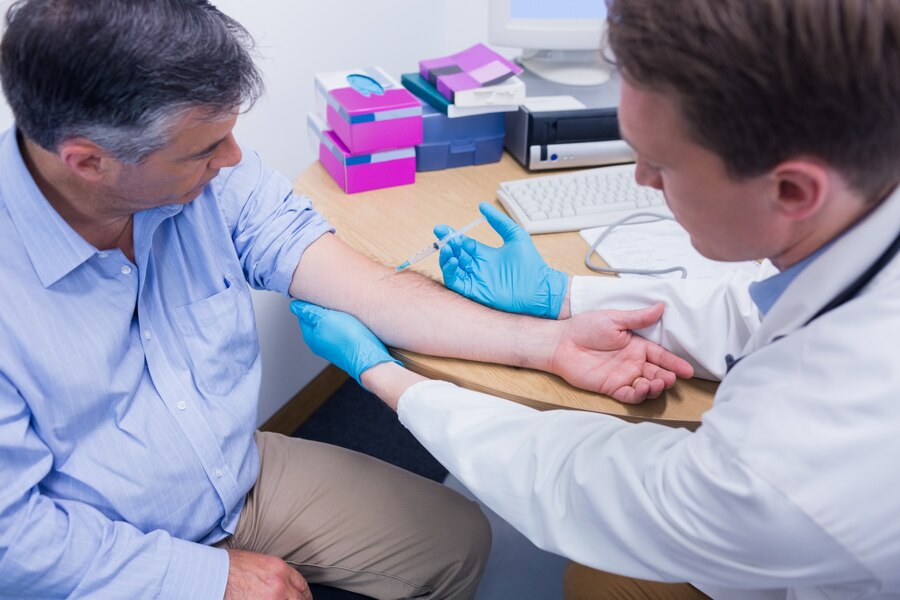
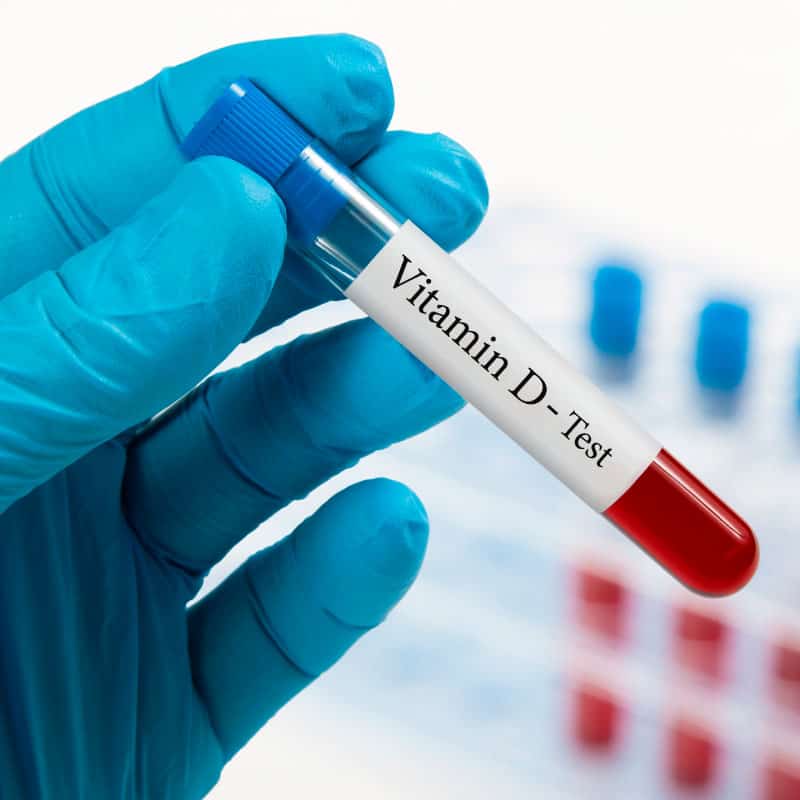
A vitamin d test Dubai clinics offer typically involves a simple blood draw, measuring the level of vitamin D circulating in your bloodstream. A vitamin b12 test works the same way, measuring B12 levels from the same or a separate blood sample.

The process is usually quick:

  1. A small blood sample is taken, either at a clinic or by a visiting nurse.
  2. The sample is sent to a certified lab for analysis.
  3. Results typically identify whether your levels fall within a normal range, are borderline low, or indicate a clear deficiency.
  4. A doctor reviews the results with you and recommends next steps, which may include supplementation, dietary changes, or further testing if needed.

Vitamin D Test at Home and B12 Test at Home

For those who’d rather skip the clinic visit altogether, a vitamin d test at home or vitamin b12 test at home offers a convenient alternative. Here’s how it typically works:

  1. A test kit is delivered discreetly to your home or office.
  2. You provide a small sample, usually via a simple finger-prick, following the included instructions.
  3. The sample is couriered to a certified lab for processing.
  4. Results are shared digitally, often within a few days.

This option is especially popular among busy professionals who want a clear picture of their nutrient levels without carving out time for an appointment. If results come back showing a significant deficiency, a follow-up consultation with a doctor is still recommended to discuss the right treatment plan.

What Happens If You’re Deficient?

A confirmed deficiency doesn’t mean anything drastic – it simply means your body needs some support to get back to healthy levels. Depending on the severity, a doctor might recommend:

  • Oral supplements, taken daily or weekly depending on the deficiency level
  • Vitamin injections, often used for more significant B12 deficiencies since they bypass digestion
  • IV vitamin therapy, which some people choose for faster replenishment alongside hydration
  • Dietary adjustments, such as increasing intake of vitamin D– or B12-rich foods
  • Safe sun exposure guidance, particularly for vitamin D, balanced against skin health considerations

Follow-up testing after a few months is often recommended to confirm that levels have improved.

Frequently Asked Questions

How do I know if I need a vitamin D or B12 test? 

If you’re experiencing ongoing fatigue, low mood, muscle aches, or tingling in your hands and feet, testing can help identify whether a deficiency is the underlying cause.

Can I test for both vitamin D and B12 at the same time? 

Yes. Many clinics and at-home kits allow both tests to be done from a single blood draw or sample, giving you a fuller picture in one visit.

Is an at-home vitamin D or B12 test as accurate as a clinic test? 

When collected correctly and processed by a certified lab, at-home tests can provide reliable results. However, a clinic visit may be preferable if you have more complex symptoms or need a broader panel of tests.

How often should I check my vitamin D and B12 levels? 

This depends on your individual risk factors and any previous deficiency history. A doctor can recommend a testing frequency suited to your lifestyle and health needs.

Can I be deficient in vitamin D even if I get regular sun exposure? 

Yes. Factors like sunscreen use, clothing coverage, skin tone, and the time of day you’re exposed to the sun can all affect how much vitamin D your body actually produces.

Check Your Levels with Nightingale Health Services

Constant fatigue, low mood, or unexplained aches don’t have to be something you just live with. Nightingale Health Services offers reliable vitamin d test in Dubai and B12 testing options, including the convenience of at-home collection, so you can find out exactly what your body needs.

Ready to check your levels? Contact us to learn more and book your test today.

Categories
food allergy test

Food Allergy and Intolerance Testing in Dubai: Symptoms You Shouldn’t Ignore

Food Intolerances Test in Dubai: Symptoms to Watch

Ever felt unexpectedly bloated after a meal that seemed harmless? Or dealt with skin flare-ups, headaches, or constant fatigue with no obvious cause? Many people quietly live with these symptoms for years, chalking them up to stress or “just how their body is,” without realizing a specific food could be the trigger. A food intolerances test is often the missing piece that finally connects the dots.

In a city like Dubai, where dining out is part of everyday life and cuisines from around the world are on every corner, figuring out exactly what’s causing your discomfort can feel like guesswork. This guide breaks down the difference between allergies and intolerances, the symptoms worth paying attention to, and how testing can help you get real answers.

Food Allergy vs Food Intolerance: What’s the Difference?

These two terms get used interchangeably, but they describe very different things happening inside your body.

A food allergy involves the immune system. When someone with a true allergy eats a trigger food – common culprits include nuts, shellfish, eggs, and dairy – their immune system mistakenly identifies it as a threat and reacts, sometimes severely and rapidly. Reactions can range from mild (hives, itching) to serious (swelling, difficulty breathing), and in rare cases, allergic reactions can become medical emergencies.

A food intolerance doesn’t involve the immune system at all. Instead, it usually relates to difficulty digesting a specific food or ingredient, such as lactose or gluten. Symptoms tend to be slower to appear, often showing up hours after eating, and are typically digestive or related to general low energy rather than sudden or life-threatening.

Understanding which one you’re dealing with matters, because the right test – and the right next steps – depend on it.

Symptoms You Shouldn’t Ignore

Many people live with low-grade symptoms for so long that they stop noticing them as unusual. Here are some of the most common signs worth paying attention to:

Digestive Symptoms

  • Bloating or excessive gas after eating
  • Stomach cramps or discomfort
  • Diarrhea or constipation that seems tied to certain meals
  • A feeling of heaviness or sluggishness after eating

Skin Symptoms

  • Unexplained rashes, hives, or itching
  • Eczema flare-ups that seem to worsen after certain foods
  • Skin redness or irritation with no clear external cause

Energy and Mood

  • Persistent fatigue, especially after meals
  • Brain fog or difficulty concentrating
  • Headaches or migraines that seem to follow a pattern

More Immediate Reactions (Possible Allergy Signs)

  • Swelling of the lips, tongue, or throat
  • Sudden hives or widespread itching
  • Difficulty breathing or wheezing
  • Dizziness or a rapid heartbeat after eating

If you experience any of the more immediate or severe symptoms above, seek medical attention right away – these can indicate a true allergy that requires urgent care, not just a food intolerance test.

Why It’s Easy to Miss the Connection

Food intolerance symptoms are often delayed, sometimes appearing many hours after a meal, which makes it genuinely difficult to link cause and effect just by paying attention on your own. Someone might blame a headache on stress, or bloating on “eating too fast,” without ever suspecting a specific ingredient is the actual trigger. This is exactly where structured testing becomes useful – it removes the guesswork.

How Food Intolerance and Allergy Testing Works

An allergy food test and a food intolerance test are not the same thing, and it’s worth understanding both.

Allergy testing typically involves either a blood test measuring immune system markers (like IgE antibodies) or a skin-prick test performed by a doctor, used to identify substances that trigger an immune response.

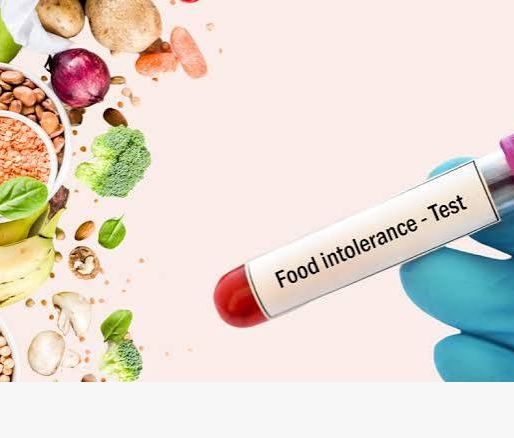
Intolerance testing usually involves a blood sample analyzed for a broader range of food sensitivities, helping identify which specific foods may be linked to your ongoing digestive or energy-related symptoms.

Many clinics in Dubai now offer both food intolerance testing and food allergy test options, sometimes as part of the same panel, so you get a fuller picture of what’s actually affecting you.

The Rise of At-Home Testing

Not everyone has the time to book a clinic appointment, especially for something that feels manageable day to day rather than urgent. That’s part of why at-home testing has become such a popular option for identifying food intolerances.

With an at-home kit, you typically:

  1. Receive a simple test kit delivered to your home
  2. Collect a small sample yourself, following the included instructions
  3. Send the sample back to a certified lab
  4. Receive a detailed report identifying foods you may be sensitive to

This option works well for people looking to understand general patterns in their diet without committing to an in-person visit first. If your symptoms are more severe or suggest a true allergy, however, a clinical consultation is still the safer and more thorough route.

What to Do After You Get Your Results

A test result is the starting point, not the finish line. Once you know which foods may be triggering your symptoms, the next steps typically include:

  • Elimination: Temporarily removing the identified foods from your diet to see if symptoms improve.
  • Reintroduction: Slowly reintroducing foods one at a time to confirm which ones are actually responsible.
  • Professional guidance: Working with a doctor or nutritionist to build a diet plan that avoids triggers without compromising nutrition.

This structured approach is far more reliable than randomly cutting out food groups, which can lead to unnecessary restriction without actually solving the problem.

Frequently Asked Questions

What’s the difference between a food allergy and a food intolerance? 

A food allergy involves the immune system and can cause rapid, sometimes serious reactions. A food intolerance is typically a digestive issue that develops more slowly and is not immune-related.

Can I do a food intolerance test at home? 

Yes. At-home kits are available for identifying food intolerances and typically involve a simple self-collected sample sent to a lab for analysis.

How long does it take to get results from a food intolerance test? 

This varies by provider and test type, but results are generally available within a matter of days after the sample reaches the lab.

Are food intolerance tests accurate? 

Reputable lab-based tests can offer useful insight into which foods may be linked to your symptoms, though results are best used alongside an elimination and reintroduction process rather than as a standalone diagnosis.

When should I see a doctor instead of testing at home? 

If you experience symptoms like swelling, difficulty breathing, or sudden severe reactions after eating, seek medical care immediately rather than relying on an at-home test, as these can indicate a true food allergy requiring urgent evaluation.

Get Clarity with Nightingale Health Services

If bloating, fatigue, skin issues, or unexplained discomfort have been part of your routine for too long, a food intolerances test could be the answer you’ve been missing. Nightingale Health Services offers reliable food intolerance testing in Dubai, along with allergy testing options, to help you finally understand what your body is trying to tell you.

Ready to find out what’s really behind your symptoms? Contact us to learn more and get started.

Categories
IV Drip in Dubai

Detox IV Therapy in Dubai: How It Helps After Travel, Illness, or a Big Night Out

Detox IV Drip Dubai: Recover Faster, Feel Better 

Some days your body just needs a reset. Maybe you’ve stepped off a long-haul flight feeling foggy and dehydrated. Maybe a stomach bug has left you running on empty. Or maybe last night got a little louder than planned. Whatever the cause, a detox IV drip has become one of Dubai’s go-to solutions for bouncing back quickly, and it’s easy to see why in a city that never really slows down.

This guide breaks down how detox IV therapy actually works, and why it’s become such a popular option after three very different situations: travel, illness, and post-celebration recovery.

What Is a Detox IV Drip?

A detox IV drip delivers a blend of fluids, electrolytes, vitamins, and antioxidants directly into your bloodstream through a small intravenous line. Unlike drinking water or taking supplements, this method bypasses digestion entirely, so your body can start using the nutrients almost immediately.

Most detox formulas are designed to:

  • Replenish fluids and electrolytes lost through dehydration
  • Support the liver’s natural detoxification process
  • Ease symptoms like headache, nausea, and fatigue
  • Provide antioxidants that help combat oxidative stress
  • Restore a sense of clarity and energy faster than rest alone

Because the formula can be adjusted, detox IV therapy is flexible enough to suit very different recovery needs – which is exactly why it works for travel fatigue, illness, and overindulgence alike.

Scenario 1: After Travel

Frequent flyers know the feeling – swollen ankles, a pounding head, disrupted sleep, and skin that looks as tired as you feel. Long flights, pressurized cabins, and time zone changes all take a toll on hydration and your body’s internal clock.

An IV detox drip after travel typically focuses on:

  • Rehydration: Cabin air is notoriously dry, and most people don’t drink enough water mid-flight to compensate.
  • Electrolyte balance: Restoring sodium, potassium, and magnesium helps ease swelling and fatigue.
  • B-vitamins: Often included to support energy levels and mental clarity as your body adjusts to a new time zone.

Many frequent travelers in Dubai book a session either right after landing or the next morning, aiming to feel functional again before a big meeting or the next leg of a trip.

Scenario 2: After Illness

Recovering from a stomach virus, flu, or any illness involving vomiting, diarrhea, or fever can leave your body significantly dehydrated and depleted of essential nutrients – often at the exact moment when eating or drinking normally feels difficult.

A detox drip in this situation is typically designed to:

  • Rapidly restore fluids lost through illness
  • Replenish electrolytes that support normal muscle and nerve function
  • Provide immune-supporting vitamins like vitamin C and zinc
  • Ease the general weakness that lingers even after symptoms improve

Because IV fluids are absorbed directly into the bloodstream, this route can offer relief faster than trying to rehydrate through food and drink alone – particularly helpful when you need to recover quickly for work or family responsibilities.

Important note: if you’re currently experiencing an active illness with concerning symptoms (high fever, severe pain, persistent vomiting, or difficulty breathing), please see a doctor for a full evaluation rather than relying on IV therapy alone. A detox drip supports recovery – it isn’t a substitute for medical diagnosis and treatment when something more serious may be going on.

Scenario 3: After a Big Night Out

Dubai’s nightlife means plenty of people wake up the next morning wishing they had a reset button. Alcohol is dehydrating, disrupts sleep quality, and can leave you with a pounding head, nausea, and low energy well into the next day.

A detox IV drip aimed at post-celebration recovery generally includes:

  • Fluids and electrolytes to counteract alcohol’s dehydrating effect
  • B-vitamins, which alcohol depletes and which support energy and mental clarity
  • Anti-nausea and headache relief add-ons, available at many clinics as optional boosters
  • Antioxidants to help ease the general “foggy” feeling that follows a heavy night

Sessions like this are often booked same-day, letting people get back to their plans – whether that’s brunch, work, or simply feeling human again – much faster than sleeping it off alone.

What Happens During a Detox IV Session

Regardless of the reason you’re booking one, the process itself is quick and straightforward:

  1. Quick consultation: A nurse or doctor asks about your symptoms and recommends the right formula.
  2. Setup: You’re seated or lying down comfortably, and the injection site is cleaned and prepared.
  3. IV insertion: A small cannula is placed in a vein, causing only brief, minor discomfort.
  4. The drip: Fluids and nutrients flow in steadily over roughly 30 to 60 minutes while you relax.
  5. Monitoring: A trained professional checks in throughout to ensure your comfort.
  6. Wrap-up: Once complete, the cannula is removed and a small bandage applied – most people feel noticeably better within a few hours.

Is Detox IV Therapy Safe?

When performed by licensed medical professionals in a proper clinical setting, detox IV therapy is considered safe for most healthy adults. A few things to keep in mind:

  • Disclose your full medical history and any allergies beforehand.
  • Mild bruising at the injection site is normal and temporary.
  • Pregnant individuals or those with certain medical conditions should consult a doctor before booking.
  • If symptoms are severe or unusual, a proper medical evaluation should always come first.

Frequently Asked Questions

How quickly does a detox IV drip work? 

Many people notice improved hydration and energy within a few hours of the session, though the exact timeline depends on the individual and the reason for treatment.

Can I get a detox IV drip the same day I feel unwell? 

In most cases, yes – same-day appointments are common, especially for travel fatigue or post-celebration recovery. For active illness with more serious symptoms, a medical evaluation should come first.

How is a detox drip different from just drinking water? 

IV fluids are absorbed directly into the bloodstream, bypassing digestion entirely, which allows for faster rehydration than drinking water alone, especially when nausea or vomiting make oral fluids difficult to keep down.

Can detox IV therapy help with a hangover? 

Yes, many people use it specifically for this reason. Fluids, electrolytes, and B-vitamins can help ease dehydration-related symptoms like headache, fatigue, and nausea following alcohol consumption.

How often can I get a detox IV drip? 

This depends on your individual needs and health history. Occasional use after specific events like travel or illness is common, while a doctor can advise on frequency if you’re considering more regular sessions.

Recover Faster with Nightingale Health Services

Whether you’ve just landed after a long flight, you’re bouncing back from an illness, or you need to recover from a heavy night out, Nightingale Health Services offers professionally administered detox IV drip treatments designed around your specific situation. Our licensed medical team ensures every session is safe, comfortable, and tailored to help you feel like yourself again.

Explore our full range of formulas and book your session on our Detox IV Drip in Dubai page today.

Categories
Glutathione

Glutathione IV Drips vs Injections: Which Option Is Better in Dubai?

Glutathione Injections in Dubai: Drip or Shot?

Glutathione has become one of Dubai’s most requested wellness and skin-brightening treatments, and for good reason; it’s a powerful antioxidant your body already produces naturally, but levels can decline due to stress, pollution, poor sleep, and age. To top it back up, most clinics offer two delivery methods: glutathione injections in Dubai or a glutathione IV drip Dubai residents book for more gradual, hydration-based treatment.

Both get glutathione into your system, but they work differently, feel different during the session, and suit different goals. Here’s a clear, honest comparison to help you decide which one fits you best.

What Is Glutathione and Why Do People Use It?

Glutathione is an antioxidant made from three amino acids, produced naturally in the liver. It plays a key role in:

  • Neutralizing free radicals and reducing oxidative stress
  • Supporting liver detoxification
  • Promoting skin brightening and a more even tone
  • Supporting overall immune function

Because oral glutathione supplements are broken down significantly during digestion, many people choose injections or IV drips instead, since both methods deliver the antioxidant directly into the bloodstream for better absorption.

Glutathione Injections: How They Work

A glutathione injection is a quick intramuscular or intravenous shot, usually administered in just a few minutes. It’s a fast, no-frills option for people who want the benefits of glutathione without setting aside time for a longer session.

Advantages of Injections

  • Speed: The entire appointment can take just a few minutes.
  • Simplicity: No drip stand, no waiting around – in and out quickly.
  • Good for maintenance: Once you’ve built up a baseline through a treatment plan, injections are an easy way to maintain your results.
  • Lower cost per session compared to a full IV drip, since less product and time are involved.

Considerations

  • The dose delivered in a single injection is smaller than what’s typically included in an IV drip.
  • Because absorption happens quickly, some people prefer pairing injections with a consistent schedule for best results.
  • No added hydration benefit, since injections don’t include the fluid volume that a drip provides.

Glutathione IV Drips: How They Work

A glutathione IV drip Dubai clinic typically combines a larger glutathione dose with saline fluids and sometimes complementary antioxidants like vitamin C, delivered slowly over 30 to 60 minutes through an intravenous line.

Advantages of IV Drips

  • Higher dosage per session: Drips generally allow for a larger, more concentrated dose than an injection.
  • Added hydration: The saline base supports hydration alongside the antioxidant benefits.
  • Customizable add-ons: Many clinics let you combine glutathione with vitamin C, biotin, or other skin- and energy-supporting ingredients in the same session.
  • A more relaxing experience: Since the session takes longer, many people use the time to unwind, work, or simply rest.

Considerations

  • Sessions take longer than an injection, so they require more of a time commitment.
  • Typically priced higher than a single injection, given the larger dose and additional session time.

Glutathione Injections vs IV Drip: Side-by-Side

Factor  Injection  IV Drip 
Session time  A few minutes  30–60 minutes 
Dose per session  Smaller  Larger 
Hydration benefit  None  Yes, via saline base 
Customization  Limited  Can combine with other boosters 
Best for  Quick maintenance, busy schedules  Deeper treatment, added hydration 
Cost per session  Generally lower  Generally higher 

Glutathione IV Drip Dubai Price: What Affects the Cost?

The glutathione IV drip Dubai price varies depending on a few factors:

  • Dosage strength – higher concentrations typically cost more.
  • Add-ons – combining glutathione with vitamin C or other boosters increases the price.
  • Session length and clinic setting – at-home visits may include an additional service fee compared to in-clinic sessions.
  • Package deals – many providers offer discounted rates for multi-session packages, since consistent treatment tends to produce more noticeable results than a single session.

Because pricing structures differ between providers, it’s best to confirm current rates directly with your chosen clinic before booking, especially if you’re comparing a course of treatments rather than a single visit.

Which One Should You Choose?

Choose glutathione injections if: You’re short on time, you’re maintaining results from a previous treatment course, or you prefer a quick, simple appointment without the wait.

Choose a glutathione IV drip if: You want a larger dose in a single session, you’d like the added benefit of hydration, or you’re interested in combining glutathione with other vitamins in one comprehensive treatment.

Many clients actually start with a series of IV drips to build up their glutathione levels, then switch to periodic injections for maintenance – a combined approach that a doctor at your clinic can help you plan based on your skin goals and schedule.

Is Glutathione Treatment Safe?

Both injections and IV drips are considered safe when administered by licensed medical professionals in a proper clinical setting. To ensure a safe experience:

  • Always choose a clinic with certified doctors and nurses.
  • Share your full medical history, including allergies or existing conditions.
  • Expect mild, temporary effects like slight bruising at the injection site.
  • Consult a doctor first if you’re pregnant, breastfeeding, or managing a chronic condition.

Results also build gradually – glutathione is not an instant fix, and consistency over a recommended treatment plan tends to produce the most noticeable outcome.

Frequently Asked Questions

How many sessions of glutathione treatment are needed to see results? This varies by individual and treatment method, but most clinics recommend a structured course of sessions rather than a single visit, since glutathione builds up in the body gradually.

Are glutathione injections painful? Most people feel only a brief pinch, similar to a routine vaccination. Any discomfort typically resolves within a day.

Can I combine glutathione with other IV vitamin treatments? Yes. Many clinics allow glutathione to be combined with vitamin C, biotin, or hydration-focused drips in the same session.

Is there a difference in results between injections and IV drips? Both deliver glutathione directly into the bloodstream, but IV drips typically involve a larger dose per session, which some clients find produces more noticeable results over a shorter course of treatments.

Do I need a consultation before starting treatment? Yes. A quick health review with a doctor or nurse helps determine the right method, dosage, and frequency for your specific goals.

Book Your Glutathione Treatment with Nightingale Health Services

Whether you’re drawn to the speed of glutathione injections in Dubai or the deeper, hydration-supported experience of a glutathione IV drip Dubai residents rely on, Nightingale Health Services offers both options under the care of licensed medical professionals. We’ll help you choose the right method, dosage, and treatment plan based on your goals.

Ready to get started? Contact us to explore pricing and book your consultation today.

Categories
Vitamin IV Drip

Vitamin IV Drips in Dubai: Benefits, Cost, and What Really Happens During a Session

Vitamin Drip Dubai: Benefits, Cost & What to Expect 

Between long work hours, constant travel, and Dubai’s heat, it’s easy to feel like your energy just isn’t keeping up. That’s part of why a vitamin drip Dubai residents once viewed as a luxury has quietly become a mainstream wellness habit. Whether you visit a clinic or book a vitamin IV at home, IV therapy promises faster hydration and nutrient absorption than pills or food alone – but what does that actually mean, and is it worth it?

This guide walks through how vitamin IV drips work, their real benefits, what they cost in Dubai, and exactly what happens from the moment a nurse arrives to the moment you’re finished.

What Is a Vitamin IV Drip?

A vitamin IV drip delivers a customized blend of vitamins, minerals, antioxidants, and fluids directly into your bloodstream through a small intravenous line. Because the nutrients bypass the digestive system entirely, absorption is faster and more complete than taking the same nutrients orally – which is one of the biggest reasons IV vitamin therapy Dubai clinics have seen rising demand from busy professionals, travelers, and anyone recovering from illness or exhaustion.

Common formulations include:

  • Hydration blends – fluids and electrolytes for dehydration or heat exposure
  • Energy and immunity boosters – B-complex vitamins, vitamin C, and zinc
  • Recovery drips – for jet lag, hangovers, or post-workout fatigue
  • Beauty and skin blends – glutathione, biotin, and antioxidants for skin health
  • Wellness and immune support – a broader mix designed for general vitality

A doctor or nurse typically reviews your health history before recommending the right blend for your goals.

Benefits of Vitamin IV Therapy

1. Faster, More Complete Absorption

Oral supplements pass through the digestive system, where a portion of their nutrients is lost before reaching your bloodstream. IV therapy delivers nutrients directly, so your body can use them almost immediately.

2. Rapid Rehydration

Dubai’s climate makes dehydration a common issue, especially for people who travel frequently or spend long hours outdoors. IV fluids rehydrate the body faster than drinking water alone.

3. Support During Fatigue or Illness Recovery

Many people turn to IV drips after a rough flight, a demanding work week, or while recovering from a cold or stomach bug, when eating and drinking normally may feel difficult.

4. Convenience

With options like a vitamin IV at home, you don’t need to carve out time for a clinic visit. A licensed nurse comes to you, sets up the drip, and monitors you throughout – ideal for people with packed schedules or those who simply prefer recovering in their own space.

5. Customizable to Your Needs

Because blends are adjustable, a session can be tailored toward hydration, immunity, energy, or skin health, rather than offering a one-size-fits-all formula.

What Happens During a Vitamin IV Drip Session

If you’ve never had one before, the process is simpler and more comfortable than most people expect.

  1. Consultation: A nurse or doctor asks about your symptoms, health history, and goals to recommend the most suitable drip.
  2. Preparation: You’re seated or lying down comfortably, and the injection site (usually the arm or hand) is cleaned and prepped.
  3. IV Insertion: A small needle is inserted into a vein, and a thin cannula is left in place while the needle is removed – this part typically causes only brief, minor discomfort.
  4. The Drip: The vitamin blend flows steadily into your bloodstream over roughly 30 to 60 minutes, depending on the formula. You can relax, check your phone, or simply rest during this time.
  5. Monitoring: A nurse stays with you or checks in periodically to make sure you’re comfortable throughout the session.
  6. Completion: Once the bag is empty, the cannula is removed, a small bandage is applied, and you’re free to go about your day. Many people report feeling more hydrated and energized within a few hours.

The entire process, from consultation to finish, usually takes under an hour.

How Much Does a Vitamin Drip Cost in Dubai?

Pricing for IV vitamin therapy Dubai clinics varies based on the formula, the number of added boosters, and whether you choose an at-home visit or a clinic appointment. In general:

  • Basic hydration or single-vitamin drips tend to be the most affordable option.
  • Specialized blends (immune, beauty, or recovery-focused) cost more due to additional ingredients.
  • At-home services may include a small additional fee to cover the visiting nurse.

Because pricing depends on your chosen formula and any add-ons, it’s best to check current rates directly with the provider before booking.

Is a Vitamin IV Drip Safe?

When administered by a licensed medical professional in a proper clinical setting, vitamin IV therapy is considered safe for most healthy adults. That said, it’s still a medical procedure, so a few precautions matter:

  • Always choose a provider with licensed nurses and doctors overseeing treatment.
  • Disclose your full medical history, including any allergies or existing conditions.
  • Mild bruising or discomfort at the injection site is normal and temporary.
  • Pregnant individuals or those with certain medical conditions should consult a doctor before booking a session.

Clinic Visit or Vitamin IV at Home – Which Is Right for You?

Both options use the same medical-grade process; the difference is simply where it happens.

Choose a clinic visit if you’d like access to a wider range of on-site services or prefer a dedicated medical environment.

Choose a vitamin IV at home if you want maximum convenience, you’re recovering and don’t feel like leaving the house, or you simply prefer privacy while resting in familiar surroundings.

Frequently Asked Questions

How long do the effects of a vitamin drip last? 

This varies by formula and individual, but many people notice improved hydration and energy within hours, with benefits often continuing for several days.

How often should I get a vitamin IV drip? 

This depends on your personal health goals. Some people book monthly sessions for general wellness, while others use IV therapy occasionally, such as after travel or illness. A healthcare provider can recommend a frequency suited to you.

Does it hurt? 

Most people feel only a brief pinch when the IV is inserted. Once the cannula is in place, the drip itself is painless.

Can vitamin IV therapy replace a healthy diet? 

No. IV drips are a helpful supplement to a balanced lifestyle, not a replacement for regular nutrition, sleep, and hydration.

Is a prescription needed to book a vitamin IV at home? 

Typically, a quick health screening or consultation with the provider is enough before your session is scheduled.

Book Your Vitamin IV Drip with Nightingale Health Services

Whether you’re after a quick energy boost, faster recovery, or better hydration, Nightingale Health Services offers professionally administered vitamin drip Dubai residents trust, with the flexibility of an in-clinic appointment or a vitamin IV at home. Our licensed medical team customizes every session to your needs, ensuring comfort, safety, and real results.

Explore our full range of formulas and book your session today.

Categories
PCR Testing

PCR Testing in Dubai: How Same-Day Home Results Work

PCR Testing Dubai: How Same-Day Home Results Work

Few things are as inconvenient as needing a PCR test on short notice – a flight departing tomorrow, a work requirement, a school policy, or simply wanting to know your status quickly and reliably. The idea of finding a testing center, waiting in line, and then anxiously refreshing your inbox for results doesn’t exactly fit into an already busy day.

That’s exactly the gap that at-home PCR testing has filled in Dubai. Instead of building your schedule around a testing center, a certified professional comes to you – and in many cases, results are ready the same day. Here’s a clear, practical look at how PCR testing in Dubai works when it’s done from home, what affects turnaround time, and what to expect from start to finish.

What Is a PCR Test, and Why Is It Still Relevant?

PCR stands for Polymerase Chain Reaction – a laboratory technique that amplifies tiny amounts of genetic material so that even a very small trace of a virus or pathogen becomes detectable. It’s considered the gold standard for infectious disease detection because of how sensitive and accurate it is compared to many rapid antigen tests.

While PCR testing became widely known through COVID-19, it’s used well beyond that. PCR testing can detect a range of respiratory and other infections, and is often the preferred method whenever a definitive, highly accurate result matters – for travel documentation, workplace requirements, medical diagnosis, or simple peace of mind.

Why Choose an At-Home PCR Test Over a Testing Center?

There isn’t anything wrong with visiting a testing center – but for a lot of people, it’s simply not the most practical option. At-home PCR testing solves for a few common frustrations:

  • No travel or waiting. A trained professional comes to your home, office, or hotel, so there’s no commute, parking search, or queue.
  • Flexible timing. Appointments can be arranged around your schedule, including early mornings, evenings, and weekends – useful when you’re working against a flight time or a deadline.
  • Comfort and privacy. Testing at home means no waiting alongside strangers, which matters if you’re feeling unwell or simply prefer privacy.
  • Ideal for groups. Families, travel companions, or entire teams needing tests before a trip or event can often be tested together in a single visit.
  • Better for those feeling unwell. If you’re symptomatic, staying home rather than sitting in a shared waiting area is both more comfortable and more considerate of others.

How Same-Day Home PCR Testing Works

Here’s what the process actually looks like, from booking to results.

1. Book Your Appointment

You can book a PCR test at home in Dubai online or by phone, selecting a time that works for you. If your test is time-sensitive – for a flight or a deadline – it’s worth mentioning this when booking, so the appointment and sample handling can be prioritized accordingly.

2. A Certified Professional Visits You

A trained nurse or phlebotomist arrives at your chosen location with all necessary sterile equipment. Sample collection is usually done via a nasal or throat swab, is quick, and involves only brief discomfort.

3. Sample Handling and Transport

Your sample is labeled, logged, and transported directly to an accredited laboratory under proper temperature-controlled conditions – a critical step, since PCR testing depends on the genetic material in the sample staying intact and uncontaminated during transit.

4. Laboratory Processing

At the lab, the sample undergoes PCR amplification and analysis. This is a precise process that takes several hours to complete correctly – which is part of why PCR results, even when expedited, aren’t instant the way a rapid antigen test can be.

5. Same-Day Digital Results

For same-day services, results are typically processed and delivered digitally within hours of collection, depending on the time of your appointment and the specific test ordered. Booking earlier in the day generally allows for same-day turnaround; later appointments may roll over to the next morning. If you have a hard deadline, it’s always best to confirm expected turnaround at the time of booking.

What Affects PCR Turnaround Time?

A few factors influence how quickly you’ll receive your result:

  • Time of sample collection – Morning and early afternoon appointments have the best chance of same-day results, since they allow more processing time before lab cut-offs.
  • Laboratory capacity – Turnaround can vary slightly with demand, particularly around peak travel periods or public health surges.
  • Type of test requested – Standard PCR panels typically process faster than specialized or multi-pathogen panels.
  • Sample transport logistics – Same-day home services are built around fast, reliable transport directly to the lab, which is why choosing an experienced provider matters.

What to Expect During the Test

The swab itself is brief and, while not always comfortable, is over within moments. A few tips make the experience smoother:

  • Avoid eating, drinking, or smoking for about 30 minutes before your appointment, if a throat swab is involved.
  • Have identification ready if your test is needed for travel or official documentation.
  • Let the professional know in advance if you have any nasal or throat sensitivities, so they can adjust technique accordingly.

Is At-Home PCR Testing as Accurate as Lab or Center-Based Testing?

Yes. Accuracy in PCR testing comes down to two things: correct sample collection technique and proper laboratory processing – not the location where the swab is taken. When performed by a trained professional and processed at an accredited laboratory, a PCR test at home in Dubai is just as reliable as one collected at a walk-in testing center.

Common Reasons People Book a PCR Test in Dubai

  • Travel requirements – Many airlines and destinations still request PCR documentation under specific circumstances; always check the latest requirement for your destination before booking.
  • Workplace or school policies – Some employers or institutions request periodic testing or documentation following symptoms or exposure.
  • Symptom investigation – If you’re experiencing symptoms and want a definitive answer rather than relying on a rapid test alone.
  • Post-exposure peace of mind – After close contact with someone who tested positive for a respiratory illness.
  • Pre-event or pre-gathering testing – Before visiting vulnerable family members or attending group events.

Why Choose Nightingale Health Services

At Nightingale Health Services, we understand that a PCR test is often needed against the clock – a flight to catch, a deadline to meet, or simply the wish to stop wondering and get an answer. Our home PCR testing service is designed around that reality:

  • Certified nurses and phlebotomists for safe, accurate sample collection
  • Direct partnerships with accredited laboratories for reliable, fast processing
  • Same-day result options, subject to appointment timing
  • Flexible scheduling, including early mornings, evenings, and weekends
  • Clear documentation formats suitable for travel, work, or personal records

Book Your PCR Test at Home in Dubai

Whether you’re racing a flight departure, following a workplace policy, or simply want a fast and reliable answer, PCR testing in Dubai doesn’t have to mean rearranging your entire day around a testing center. With Nightingale Health Services, the test comes to you – professionally, discreetly, and with same-day results in many cases.

Book your PCR test at home in Dubai with Nightingale Health Services today.

Frequently Asked Questions

How fast can I get PCR test results in Dubai? 

Same-day results are often possible when the sample is collected earlier in the day, though exact turnaround depends on appointment timing and laboratory processing schedules. It’s best to confirm expected turnaround when booking, especially for time-sensitive needs like travel.

Is a PCR test at home as accurate as one from a testing center? 

Yes. Accuracy depends on correct sample collection and laboratory processing, both of which are maintained to the same standard whether the swab is taken at home or at a center.

Do I need to prepare for a PCR test? 

Minimal preparation is needed – avoiding food, drink, and smoking for about 30 minutes beforehand is generally recommended if a throat swab is involved.

Can I book PCR tests for my whole family or group at once? 

Yes, home PCR testing is well-suited to testing multiple people in a single visit, which is often more convenient than each person visiting a center separately.

Will my PCR result be accepted for travel documentation? 

Many travel and institutional requirements accept accredited lab-issued PCR results, but requirements vary by airline, destination, and organization. Always check the specific requirement for your situation before booking.

What’s the difference between a PCR test and a rapid antigen test? 

PCR tests detect genetic material through a highly sensitive amplification process and are generally considered more accurate, though they take longer to process than rapid antigen tests, which give faster but sometimes less sensitive results.

Categories
Blood Tests

Blood Tests at Home in Dubai: What You Can Check Without Visiting a Lab

Blood Tests at Home in Dubai: What You Can Check

There’s a particular kind of dread that comes with needing a blood test: finding time between meetings, sitting in a waiting room that always seems fuller than expected, and then hunting for parking once you finally arrive. For something as routine as a blood test, it can feel like an outsized amount of effort.

The good news is that it no longer has to be this way. Blood tests at home have become one of the most popular ways for people in Dubai to stay on top of their health – without rearranging their entire day to do it. Whether you’re checking your cholesterol, monitoring a chronic condition, or simply due for an annual health screen, a phlebotomist can now come to you.

Here’s a real look at how at-home blood testing works, what it can actually check, and when it makes sense to book one.

Why At-Home Blood Testing Has Taken Off in Dubai

Dubai runs at a fast pace, and healthcare has had to adapt to match it. A few reasons at-home testing has become so popular:

  • Time is tight. Between work, family, and traffic, a 45-minute round trip to a clinic for a 5-minute blood draw doesn’t always make sense.
  • Comfort matters. Some people find clinics stressful, or simply prefer the privacy of their own space, especially for sensitive tests.
  • Mobility is a factor. For elderly parents, new mothers recovering after delivery, or anyone unwell enough that leaving the house is difficult, home visits remove a real barrier to getting tested.
  • Consistency helps with monitoring. People managing chronic conditions who need regular testing benefit from a simple, repeatable process that doesn’t eat into their week each time.

At Nightingale Health Services, we built our home blood testing service around exactly these realities – bringing accredited, professional lab testing to wherever you are in Dubai.

How Blood Testing at Home Actually Works

The process is refreshingly simple, and it mirrors what you’d expect at a clinic – just without the waiting room.

1. Book Your Test

Choose the test or panel you need through our website or by phone. If you’re not sure exactly what to test for, our team can help match your symptoms, goals, or doctor’s recommendation to the right panel.

2. Schedule a Convenient Time

Select a time slot that works around your day – including early mornings, evenings, and weekends. Fasting tests (like cholesterol or blood sugar panels) are scheduled with that in mind, so you know exactly how to prepare.

3. A Licensed Phlebotomist Visits You

A trained, certified phlebotomist arrives at your home, office, or hotel with all necessary sterile equipment. The blood draw itself typically takes just a few minutes and follows the same clinical standards you’d expect at any accredited lab or hospital.

4. Sample Transport Under Proper Conditions

Your sample is labeled, logged, and transported to an accredited laboratory under controlled conditions, exactly as it would be if collected in a clinic.

5. Digital Results, Explained

Results are typically delivered digitally within 24–48 hours, depending on the tests ordered. For anything requiring interpretation or follow-up, our team is available to walk you through what the numbers mean and what, if anything, comes next.

What Can You Actually Check With a Blood Test in Home?

This is usually the first question people ask, and the honest answer is: quite a lot. Modern home phlebotomy services can support the same broad range of tests you’d find at a hospital lab. Common categories include:

General Health & Wellness Panels

  • Complete Blood Count (CBC) – checks red and white blood cells, hemoglobin, and platelets, useful for detecting anemia, infection, or other blood disorders
  • Comprehensive Metabolic Panel – reviews kidney and liver function, blood sugar, and electrolyte balance
  • Vitamin panels – including Vitamin D, B12, and folate, which are commonly deficient and easy to miss without testing

Heart Health

  • Lipid profile – measures total cholesterol, LDL, HDL, and triglycerides, key indicators for cardiovascular risk

Diabetes & Blood Sugar

  • Fasting glucose and HbA1c – used to screen for or monitor diabetes and prediabetes

Hormonal & Thyroid Testing

  • Thyroid function tests (TSH, T3, T4) – helpful for fatigue, weight changes, or mood-related symptoms
  • Reproductive hormone panels – including testosterone, estrogen, and fertility-related markers

Nutritional & Deficiency Screening

  • Iron studies – to investigate fatigue or suspected anemia
  • Full nutritional panels – covering a wide range of vitamins and minerals

Allergy & Sensitivity Testing

  • Blood-based allergy panels that screen for reactions to common food or environmental allergens

Chronic Disease Monitoring

  • Regular panels for people managing conditions like diabetes, thyroid disorders, or high cholesterol, where consistent monitoring is part of ongoing care

Pre-Employment & Insurance Medicals

  • Standard panels often required for employment, insurance applications, or general fitness certificates

This list isn’t exhaustive – if there’s a specific test your doctor has recommended, it’s always worth checking with us directly, since most standard laboratory tests can be arranged through home collection.

Is At-Home Testing as Accurate as Going to a Clinic?

Yes – accuracy comes from the laboratory processing the sample and the qualifications of the person collecting it, not the location of the appointment itself. When performed by a certified phlebotomist following proper collection and handling protocols, and processed at an accredited lab, at-home blood tests are just as reliable as tests collected in a clinical setting.

The one thing home testing doesn’t change is biology: fasting requirements, timing (some hormone tests need to be done at specific times of day), and proper sample handling all still matter, whichever location the draw happens in. This is why a good home testing service will always ask the right preparation questions before your appointment, not just show up and draw blood.

Who Benefits Most From Blood Tests at Home in Dubai?

While anyone can choose the convenience of home testing, it tends to make an especially big difference for:

  • Busy professionals who struggle to fit clinic visits into packed schedules
  • Parents, especially those managing testing for multiple family members at once
  • Elderly individuals for whom travel to a clinic is physically difficult
  • New or postpartum mothers who need monitoring without leaving a newborn at home
  • People managing chronic conditions who need frequent, low-friction testing
  • Anyone recovering from illness or surgery, for whom a clinic visit is genuinely taxing
  • Residents and visitors alike who simply prefer privacy and convenience over a waiting room

What to Expect on Test Day

A few simple things make the process go smoothly:

  • Follow fasting instructions, if applicable – usually 8–12 hours for cholesterol or glucose panels. Our team will confirm this when you book.
  • Stay hydrated the day before, as it makes the blood draw itself easier and quicker.
  • Have a form of ID ready, particularly for tests linked to medical or insurance documentation.
  • Choose a comfortable, well-lit spot at home for the draw – a kitchen table or well-lit room works well.

The appointment itself is quick: most straightforward blood draws take less than 10 minutes from arrival to completion.

Why Choose Nightingale Health Services

At Nightingale Health Services, we treat a blood test as more than a transaction – it’s often the first step toward catching something early, understanding a nagging symptom, or simply staying ahead of your health rather than reacting to it. Our home testing service is built around:

  • Certified, experienced phlebotomists for safe, comfortable sample collection
  • Partnerships with accredited laboratories for accurate, reliable results
  • Flexible scheduling that works around your day, not the other way around
  • Clear, jargon-free result explanations, with follow-up support if anything needs attention
  • Transparent pricing with no surprise fees

Book Your Blood Test at Home in Dubai

Staying on top of your health shouldn’t require rearranging your whole week. With blood tests at home in Dubai from Nightingale Health Services, you get the same accredited, accurate testing you’d find at any hospital or clinic – delivered at your door, on your schedule.

Frequently Asked Questions

  1. How long does an at-home blood test take?

The actual blood draw typically takes 5–10 minutes. Results are usually available within 24–48 hours, depending on the specific tests ordered.

  1. Do I need to fast before a blood test at home?

For certain tests – such as cholesterol or fasting glucose – yes, fasting for 8–12 hours beforehand is typically required. Our team will let you know in advance based on the tests you book.

  1. Is a blood test in home as accurate as one done in a clinic?

Yes. Accuracy depends on the qualifications of the person collecting the sample and the accreditation of the laboratory processing it – not the physical location of the appointment.

  1. Can children or elderly family members be tested at home?

Yes, home blood testing is often especially convenient for children, elderly individuals, and anyone for whom traveling to a clinic is difficult.

  1. What if my results need follow-up?

Our team can help explain your results and guide you toward the appropriate next steps, whether that’s a follow-up test, a specialist referral, or lifestyle recommendations.

  1. Can I book multiple family members for the same home visit?

Yes, many clients schedule one visit to test multiple household members, which our phlebotomists can accommodate in a single appointment.

Categories
NIPT test

NIPT vs Traditional Prenatal Screening: Which Test Is Right for You?

Non Invasive Prenatal Test: NIPT vs Traditional Screening 

Few moments in pregnancy come with as many questions as prenatal screening. Your doctor mentions a panel of tests, a nurse hands you a leaflet full of unfamiliar abbreviations, and suddenly you’re being asked to choose between options you’ve never had to think about before. If you’ve found yourself Googling the differences between a non invasive prenatal test and the “traditional” screening your mother or older sister may have had, you’re not alone – and you’re asking exactly the right question.

At Nightingale Health Services, we talk to expectant parents in Dubai every week who are trying to decide between NIPT and conventional prenatal screening. This guide breaks down how each one works, what they can and can’t tell you, and how to think about cost and convenience so you can make the choice that’s right for your pregnancy.

What Is a Non Invasive Prenatal Test (NIPT)?

A non invasive prenatal test, commonly known as NIPT, is a screening test that analyzes small fragments of your baby’s DNA – called cell-free fetal DNA – that circulate in your bloodstream during pregnancy. By around 10 weeks of gestation, enough of this fetal DNA is present in a simple maternal blood sample to screen for certain chromosomal conditions with a high degree of accuracy.

NIPT can screen for:

  • Down syndrome (Trisomy 21)
  • Edwards syndrome (Trisomy 18)
  • Patau syndrome (Trisomy 13)
  • Sex chromosome differences, such as Turner or Klinefelter syndrome
  • In some advanced panels, select microdeletion syndromes
  • Fetal sex, with very high accuracy, if you choose to know

The appeal of NIPT lies right there in its name: it requires nothing more than a blood draw from the mother’s arm. There’s no needle near the uterus, no risk to the baby, and no discomfort beyond what you’d expect from any routine blood test.

What Is “Traditional” Prenatal Screening?

Traditional prenatal screening usually refers to a combination of tests that have been standard practice for decades:

  • First-trimester combined screening – A blood test measuring specific hormone and protein levels (PAPP-A and hCG), paired with a nuchal translucency ultrasound measuring fluid at the back of the baby’s neck, typically done between weeks 11–14.
  • Second-trimester quad screen – A blood test measuring four different markers, usually performed between weeks 15–20, often used if first-trimester screening wasn’t done.
  • Detailed anomaly ultrasound – A structural scan, usually around 18–20 weeks, looking at the baby’s anatomy in detail.

These methods don’t look at fetal DNA directly. Instead, they calculate a statistical risk score by combining maternal blood markers, ultrasound findings, maternal age, and other factors. The result isn’t a yes/no answer – it’s a probability, such as “1 in 250 risk of Down syndrome.”

NIPT vs Traditional Screening: The Key Differences

Accuracy

This is where NIPT has a clear edge. For the most common chromosomal conditions like Down syndrome, NIPT detection rates exceed 99%, with a very low false-positive rate. Traditional combined screening, by contrast, typically detects around 85–90% of Down syndrome cases and carries a noticeably higher false-positive rate – meaning more women are flagged as “high risk” and referred for further, more invasive testing that turns out to be unnecessary.

That said, it’s worth remembering that both NIPT and traditional screening are screening tests, not diagnostic tests. A high-risk or positive screening result – from either method – is typically followed up with a diagnostic test such as amniocentesis or chorionic villus sampling (CVS) to confirm a diagnosis.

Timing

NIPT can usually be performed from around week 10 of pregnancy, as this is when there’s typically enough fetal DNA in the maternal bloodstream (known as the “fetal fraction”) for reliable results. Traditional first-trimester screening runs on a similar timeline, from about week 11, but the combination of blood test plus ultrasound plus lab processing can sometimes push final results later.

What Each Test Actually Measures

Traditional screening estimates risk using indirect markers – hormone levels and physical measurements. NIPT looks more directly at fragments of the baby’s own genetic material, which is part of why it tends to be more precise for the conditions it screens.

Scope

Traditional anomaly ultrasounds have one advantage NIPT doesn’t: they assess the baby’s physical structure – organs, limbs, spine, heart – for a wide range of structural conditions that a blood-based DNA test simply isn’t designed to detect. Because of this, many doctors recommend NIPT for chromosomal screening alongside a detailed anatomy ultrasound, rather than as a total replacement for all prenatal screening.

NIPT Testing Cost: What Influences the Price

One of the most common questions we hear is about NIPT testing cost in Dubai. Pricing generally depends on:

  • Panel selected – A basic panel covering the three most common trisomies and fetal sex is typically less expensive than an advanced panel that includes microdeletion screening or full chromosomal analysis.
  • Laboratory and technology used – Different labs use different sequencing platforms, and pricing can vary accordingly.
  • Home collection vs. clinic visit – Some providers include home sample collection in the price; others add a modest convenience fee.
  • Turnaround time – Standard processing (typically 5–10 working days) is generally more affordable than expedited results.

As a general guide, basic NIPT panels in Dubai often start in the range of roughly AED 1,000–1,500, while advanced panels with microdeletion or full chromosome screening can run higher. Because pricing structures vary between providers, it’s always worth asking for a clear, itemized quote before booking – and checking with your insurer, since NIPT is frequently classified as elective genetic testing and isn’t always covered as standard, though many insurers do cover it when there’s a medical indication (such as maternal age 35+, an abnormal combined screening result, or a prior pregnancy affected by a chromosomal condition).

NIPT Test in Dubai: What to Expect

If you decide NIPT is the right choice for you, the process at Nightingale Health Services is designed to be simple and reassuring from start to finish:

  1. Consultation – We discuss your pregnancy timeline, any risk factors, and which panel makes sense for you.
  2. Blood sample collection – A single, standard blood draw from your arm – no fasting, no special preparation, no discomfort beyond a typical blood test.
  3. Laboratory analysis – Your sample is processed at an accredited genetics laboratory using advanced DNA sequencing technology.
  4. Results and counseling – Results are typically available within 5–10 working days, and our team is on hand to walk you through what they mean, answer questions, and discuss next steps if any follow-up is recommended.

NIPT Test at Home in Dubai: Comfort Without Compromise

For many expectant mothers, the idea of squeezing another clinic visit into an already full schedule – especially during the fatigue and nausea of early pregnancy – is genuinely daunting. This is exactly why the NIPT test at home in Dubai has become such a popular option.

With Nightingale Health Services, a qualified, licensed nurse comes to your home, office, or hotel at a time that suits you. The blood draw itself takes just a few minutes, and your sample is transported under proper clinical protocols to an accredited laboratory – the exact same testing standard you’d get at a clinic, minus the waiting room, traffic, and time off work.

This matters for more than convenience alone. Reduced stress during pregnancy is genuinely good for both mother and baby, and removing unnecessary friction from routine care is part of what makes prenatal testing feel manageable rather than overwhelming.

So, Which Test Is Right for You?

There’s no single universally “correct” answer – it depends on your priorities, your pregnancy, and your doctor’s guidance. As a general rule of thumb:

  • Consider NIPT if: you want the highest accuracy available for chromosomal screening, you’d prefer to avoid the added ultrasound and multi-step process of traditional combined screening, you’re 35 or older, or you have a personal or family history that raises your risk profile.
  • Consider traditional screening (usually alongside NIPT) if: your doctor recommends a detailed anatomy ultrasound to assess structural development, or if cost considerations make combined screening a more practical first step, with NIPT reserved as a follow-up if results come back higher risk.
  • Talk to your doctor if: you’re unsure – many providers today recommend NIPT as a first-line option for all pregnancies, but your specific medical history should always guide the final decision.

Whichever path you choose, the goal is the same: giving you clear, reliable information early enough to plan, prepare, and feel confident about your pregnancy.

Why Choose Nightingale Health Services for Your NIPT Test in Dubai

Nightingale Health Services combines internationally accredited laboratory partnerships with a genuinely patient-first approach to prenatal care. When you book your non invasive prenatal test with us, you get:

  • Licensed nurses for professional, comfortable sample collection – at our facility or in the comfort of your own home
  • Transparent, itemized pricing with no hidden fees
  • Fast, accurate results from accredited genetics laboratories
  • Compassionate counseling to help you understand your results, whatever they show
  • Flexible scheduling built around your pregnancy, not the other way around

Ready to Take the Next Step?

Choosing between NIPT and traditional prenatal screening doesn’t have to be confusing. Our team is here to answer your questions, explain your options in plain language, and help you decide what’s right for your pregnancy – with testing available at our clinic or conveniently at home.

Book your NIPT test in Dubai with Nightingale Health Services today.

Frequently Asked Questions

  1. Is NIPT more accurate than traditional prenatal screening?

For the most common chromosomal conditions, such as Down syndrome, NIPT generally offers higher accuracy and a lower false-positive rate than traditional combined or quad screening.

  1. Does a normal NIPT result guarantee a healthy baby?

No. NIPT is a screening test, not a diagnostic one, and it only screens for specific chromosomal conditions – it doesn’t assess overall fetal health or structural development, which is why an anatomy ultrasound is still recommended.

  1. How early can I get an NIPT test in Dubai?

Most providers, including Nightingale Health Services, offer NIPT from around week 10 of pregnancy, once there’s typically enough fetal DNA present in the maternal blood sample for accurate results.

  1. Can I do an NIPT test at home in Dubai?

Yes. A licensed nurse can visit your home, office, or hotel to collect the blood sample, which is then sent to an accredited laboratory – the same standard of testing you’d receive in a clinic.

  1. What happens if my NIPT result comes back high risk?

Your doctor will typically recommend a diagnostic test, such as CVS or amniocentesis, to confirm the result. Our team can guide you through this process and connect you with the right specialists.

  1. Is NIPT covered by insurance in Dubai?

It depends on your policy. Some insurers cover NIPT when there’s a medical indication, such as advanced maternal age or a high-risk result from earlier screening, while others classify it as elective testing. We recommend checking with your provider before booking.

Categories
HIV Test

HIV Testing in Dubai: How Confidential At-Home Testing Works

HIV Test in Dubai: Confidential At-Home Testing 

Getting tested for HIV is one of the most responsible things you can do for your health – and for the health of the people you care about. Yet for many people in Dubai, the idea of walking into a clinic, sitting in a waiting room, and being seen by someone who might recognize them is enough to keep them from getting tested at all.

That hesitation is understandable. But it shouldn’t stand between anyone and a piece of information that could genuinely change – or save – their life. This is exactly why confidential at-home HIV testing has become such an important option for residents and visitors across the city.

At Nightingale Health Services, we’ve built our at-home HIV testing service around one simple idea: getting tested should be easy, private, and free of judgment. Here’s everything you need to know about how it works.

Why an HIV Test in Dubai Matters

HIV (Human Immunodeficiency Virus) attacks the immune system, and if it isn’t detected early, it can progress silently for years before symptoms appear. The only way to know your status for certain is through testing – not through symptoms, not through guesswork, and not through assumptions about risk.

Early detection matters enormously. When HIV is identified early, treatment can begin sooner, the virus can be managed effectively with modern antiretroviral therapy, and the risk of transmission to others drops dramatically. In fact, someone on effective treatment with an undetectable viral load cannot transmit HIV sexually. Testing isn’t just about finding out – it’s the first step toward taking control.

Dubai’s diverse, fast-moving population makes regular testing especially relevant. Whether you’re sexually active, starting a new relationship, planning a pregnancy, or simply believe in staying on top of your health, an HIV test is a routine and sensible part of preventive care – not a cause for alarm.

The Privacy Concern Is Real – and Understandable

Dubai is a wonderfully connected city, and that connectedness can be a double-edged sword when it comes to sensitive health matters. Many people worry about:

  • Being seen at a clinic by someone from their workplace or community
  • Test results appearing on shared family insurance documents
  • Cultural or social stigma attached to HIV testing
  • Simply not having time to visit a clinic during working hours

These concerns are valid, and they’re precisely the barrier that confidential, at-home HIV testing is designed to remove.

How Confidential At-Home HIV Testing Works with Nightingale Health

We’ve simplified the process into a few clear steps, so getting an HIV test in Dubai feels no more complicated than booking a home service.

1. Book Privately, Online or by Phone

You can arrange your test discreetly through our website or a quick phone call. No walk-ins, no crowded waiting rooms, and no explaining yourself to anyone. You choose a time that works for you – including evenings and weekends.

2. A Licensed Professional Visits You

A qualified phlebotomist or nurse arrives at your home, office, or hotel at the scheduled time. They carry proper identification and all necessary testing equipment, and the visit is kept low-key and professional – there’s nothing about it that identifies the nature of the appointment to anyone around you.

3. Sample Collection

Depending on the type of test recommended for your situation, this may involve a simple finger-prick sample for a rapid test, or a standard blood draw for laboratory-based testing (such as a 4th-generation antigen/antibody test, which can detect infection earlier than older test types). Both are quick, minimally invasive, and handled with full clinical care.

4. Secure, Confidential Processing

Your sample is labeled with a unique identifier rather than being left openly associated with personal details in transit. Lab analysis follows strict clinical protocols, and your results are accessible only to you and the authorized medical team handling your case – never shared with employers, family members, or third parties without your explicit consent.

5. Private Results and Follow-Up Support

Results are delivered directly and confidentially, typically via a secure channel or a private consultation call, rather than being posted or left where others might see them. If your result is negative, you’ll receive guidance on prevention and, if relevant, how often to retest based on your risk profile. If your result is reactive or positive, our team will walk you through confirmatory testing and connect you with appropriate medical care and counseling – calmly, respectfully, and without judgment.

Types of HIV Tests Available

Not all HIV tests are the same, and choosing the right one depends on your situation:

  • Rapid antibody/antigen tests – Provide fast results, often within 20–30 minutes, using a finger-prick sample. Useful for a quick initial check.
  • 4th-generation antigen/antibody blood tests – Laboratory-based and more sensitive, able to detect infection earlier in the “window period” than antibody-only tests.
  • PCR (nucleic acid) testing – Used in specific situations, such as very early suspected exposure, when antibody tests may not yet be reliable.

During booking, our team can help you understand which test suits your recent history and timeline, including how long ago a potential exposure occurred, since testing too early can affect accuracy.

An Important Note on Visa and Immigration Medical Tests

It’s worth being clear about one distinction: at-home confidential HIV testing is intended for personal health knowledge, peace of mind, and early treatment access. It is separate from the mandatory medical fitness testing required for UAE residency and work visas, which by law must be carried out at a government-approved center (such as those authorized by the Dubai Health Authority). Results from private or at-home tests are not accepted as a substitute for the official visa medical examination. If you need a visa medical certificate, that process must go through an approved government center – our team can point you in the right direction if you’re unsure where to go.

Who Should Consider Getting Tested?

HIV testing is a good idea for far more people than is often assumed. Consider testing if you:

  • Have had unprotected sex or a new sexual partner
  • Are starting a new relationship and want to test together
  • Had a possible exposure through a needle, blood contact, or medical procedure
  • Are planning a pregnancy or are newly pregnant
  • Simply haven’t been tested before and want a baseline for your health records
  • Want the reassurance of a periodic health check, as part of routine care

There’s no “wrong” reason to get tested. Knowing your status is always the better option.

Why Choose Nightingale Health Services

Nightingale Health Services was built on the understanding that healthcare in a city like Dubai needs to work around real lives – busy schedules, privacy concerns, and the simple wish to be treated with dignity. Our at-home HIV testing service offers:

  • Fully licensed medical professionals for sample collection
  • Strict confidentiality protocols at every step, from booking to results
  • A judgment-free, compassionate approach to sensitive health topics
  • Flexible scheduling, including evenings and weekends
  • Clear guidance on next steps, whatever your result

Whether this is your first HIV test or one of many over the years, our goal is to make the process as stress-free as possible – because your health shouldn’t come with unnecessary anxiety attached to it.

Take the Next Step, Privately

You don’t need a special reason to get tested, and you don’t need to feel uneasy about it. If you’re searching for a reliable, confidential HIV test in Dubai, home-based testing through Nightingale Health Services gives you a private, professional, and supportive way to take charge of your health – on your own terms, in your own space.

Book your confidential at-home HIV test with Nightingale Health Services today.

Frequently Asked Questions

Is at-home HIV testing really confidential? Yes. Your identity, sample, and results are handled under strict privacy protocols, and results are shared only with you unless you choose otherwise.

How accurate are at-home HIV tests? When performed by a trained professional using laboratory-grade methods, at-home HIV testing is highly accurate. The right test type, matched to your exposure timeline, further improves reliability.

How long does it take to get results? Rapid tests can provide results within 20–30 minutes, while laboratory-based tests typically take a few days, depending on the test type.

Can I use an at-home test result for a UAE visa medical? No. Visa and residency medical exams must be completed at a government-approved medical fitness center. At-home testing is for personal health purposes only.

What happens if my result is positive? Our team will guide you through confirmatory testing and connect you with medical professionals for treatment and counseling, with full confidentiality maintained throughout.

img