Home Physiotherapy in Dubai: Conditions It Treats
When people think of physiotherapy, a sprained ankle or a bad back often comes to mind first. But Home Physiotherapy in Dubai actually covers a far broader range of conditions than most people realize – from acute sports injuries to complex neurological rehabilitation following a stroke. Understanding the full scope of what a physical therapist Dubai professionals bring to your home can help you recognize when this kind of treatment might genuinely help you or a loved one.
Orthopedic and Musculoskeletal Conditions
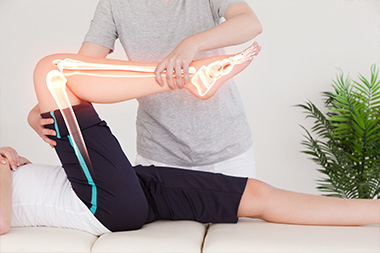
- Sports Injuries: Sprains, strains, ligament tears, and overuse injuries are among the most common reasons people seek physiotherapy. Home-based treatment allows for structured rehabilitation combining manual therapy, targeted strengthening exercises, and gradual return-to-activity planning, all tailored to the specific sport or movement pattern involved.
- Post-Surgical Orthopedic Recovery: Following joint replacements, ACL reconstruction, rotator cuff repair, or other orthopedic procedures, structured rehabilitation is critical to regaining strength, mobility, and function. Home physio Dubai services allow this recovery to begin safely without the added strain of travel during a vulnerable healing period.
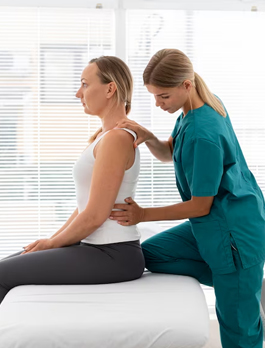
- Chronic Back and Neck Pain: Ongoing musculoskeletal pain, often linked to posture, desk work, or previous injury, benefits from consistent, regular treatment combining manual therapy with targeted strengthening and mobility exercises.
- Arthritis: Both osteoarthritis and rheumatoid arthritis benefit from physiotherapy focused on maintaining joint mobility, reducing pain, and building supportive muscle strength around affected joints.
- Frozen Shoulder: This condition, characterized by stiffness and restricted movement, typically requires ongoing, structured mobility work over an extended period, making consistent home-based sessions a practical option for sustained treatment.
Neurological Conditions
- Stroke Recovery: Rehabilitation following a stroke often requires frequent, structured sessions focused on regaining movement, coordination, balance, and function, sometimes over many months. Home-based therapy allows for consistent, high-frequency treatment without the physical and logistical strain of repeated clinic visits, which can be especially challenging for stroke patients with mobility limitations.
- Parkinson’s Disease: Physiotherapy plays an important supportive role in managing symptoms like balance difficulties, muscle rigidity, and mobility challenges, with home-based sessions offering the consistency that ongoing management of a progressive condition requires.
- Multiple Sclerosis: Physiotherapy can help manage fatigue, mobility, and muscle strength for people living with MS, with home-based care allowing sessions to be scheduled around symptom fluctuations and energy levels.
- Traumatic Brain Injury: Recovery from brain injury often involves a long, structured rehabilitation journey addressing movement, coordination, and functional independence, with home-based therapy supporting consistency throughout an extended recovery timeline.
Post-Surgical and Post-Hospitalization Recovery
- General Post-Surgical Rehabilitation: Beyond orthopedic procedures specifically, many surgeries benefit from structured physiotherapy to rebuild strength and mobility safely, with home-based care removing the burden of travel during early recovery.
- Post-ICU or Extended Hospitalization Recovery: Patients recovering from extended hospital stays, particularly following serious illness, often experience significant muscle weakness and reduced mobility. Home physiotherapy supports a gradual, safe return to independence during this critical recovery window.
Pediatric Conditions
- Developmental Delays: Children with developmental delays affecting motor skills can benefit from targeted physiotherapy exercises, with home-based sessions allowing treatment to incorporate the child’s actual home environment and daily activities.
- Post-Injury Recovery in Children: Just as with adults, children recovering from sports injuries or accidents benefit from structured rehabilitation, often delivered in a more comfortable, familiar setting than a clinic.
Age-Related Conditions
- Balance and Fall Prevention: For elderly individuals at risk of falls, physiotherapy focused on balance, strength, and mobility can significantly reduce risk, with home-based assessment offering the added benefit of evaluating the actual home environment for specific hazards.
- General Mobility Decline: Age-related loss of strength, flexibility, and mobility can be addressed through consistent, targeted physiotherapy, helping maintain independence and quality of life over time.
Chronic Pain Conditions
- Fibromyalgia: Physiotherapy approaches focused on gentle movement, pacing strategies, and symptom management can offer meaningful support for individuals managing fibromyalgia-related pain and fatigue.
- Chronic Pain Syndromes: Various chronic pain conditions benefit from a physiotherapy approach combining movement, education, and gradual functional improvement, often requiring the kind of sustained, consistent treatment that home-based care makes more feasible.
Respiratory Conditions
- Post-COVID Recovery: Many patients recovering from respiratory illness benefit from physiotherapy focused on breathing techniques, gradual reconditioning, and rebuilding stamina and strength following extended illness.
- Chronic Respiratory Conditions: Conditions like COPD can benefit from physiotherapy focused on breathing techniques and exercise tolerance, supporting overall respiratory function and quality of life.
Why Home-Based Treatment Works Well Across Such a Wide Range
What ties all of these conditions together is a simple truth: consistent, regular treatment tends to produce the best outcomes, and consistency is often easier to maintain when travel and logistical barriers are removed. Whether it’s a young athlete recovering from an ACL tear or an elderly stroke patient regaining mobility, the same core principle applies – treatment delivered reliably, in a comfortable setting, tends to support steadier, more sustainable progress.
When Should You Consider Home Physiotherapy?
Consider reaching out if you or a loved one:
- Has difficulty traveling to a clinic due to pain, mobility limitations, or fatigue
- Is recovering from surgery or a hospital stay
- Is managing a chronic or progressive condition requiring ongoing, consistent care
- Would benefit from treatment incorporated into their actual home environment and daily routine
- Simply prefers the comfort and privacy of receiving treatment at home
Frequently Asked Questions
Can home physiotherapy really treat serious conditions like stroke recovery?
Yes. Home-based physiotherapy uses the same clinical techniques as clinic-based treatment, and for conditions like stroke recovery, the consistency and reduced travel burden can genuinely support better outcomes.
Is home physiotherapy suitable for children?
Yes, many physical therapists work with pediatric patients, and home-based treatment can be particularly effective since it allows exercises to be incorporated into a child’s familiar environment and routine.
How do I know if my condition is suitable for home-based treatment?
Most orthopedic, neurological, and general rehabilitation needs can be effectively treated at home. For conditions requiring specialized equipment, a hybrid approach combining home visits with occasional clinic sessions may be recommended.
Can home physiotherapy help with chronic conditions, not just injuries or surgery recovery?
Yes. Conditions like arthritis, fibromyalgia, and Parkinson’s disease often benefit significantly from the kind of consistent, ongoing treatment that home-based care makes easier to sustain long-term.
How often are home physiotherapy sessions typically needed?
This varies significantly by condition and severity, ranging from a few sessions per week during intensive recovery periods to less frequent maintenance sessions as a condition stabilizes.
Comprehensive Care, Wherever You Need It – Nightingale Health Services
From sports injuries to complex neurological recovery, Nightingale Health Services provides expert Home Physiotherapy in Dubai, delivered by experienced, licensed physical therapist Dubai professionals equipped to treat a genuinely wide range of conditions.
Ready to start your recovery journey? Contact us to learn more and book your first session today.